
Tibet—a name that evokes images of prayer flags fluttering against impossibly blue skies, the deep resonant chanting of monks, and the majestic silhouette of the Potala Palace rising from the mist. For centuries, this “Roof of the World” has captivated the imagination of travelers, spiritual seekers, and adventurers alike.
A Tibet culture tour is far more than a sightseeing expedition; it is a profound immersion into one of the world’s most unique and resilient cultures. It is a journey into the heart of Tibetan Buddhism, a chance to witness living traditions that have endured for over a millennium, and an opportunity to connect with the breathtaking landscapes that have shaped the Tibetan soul.
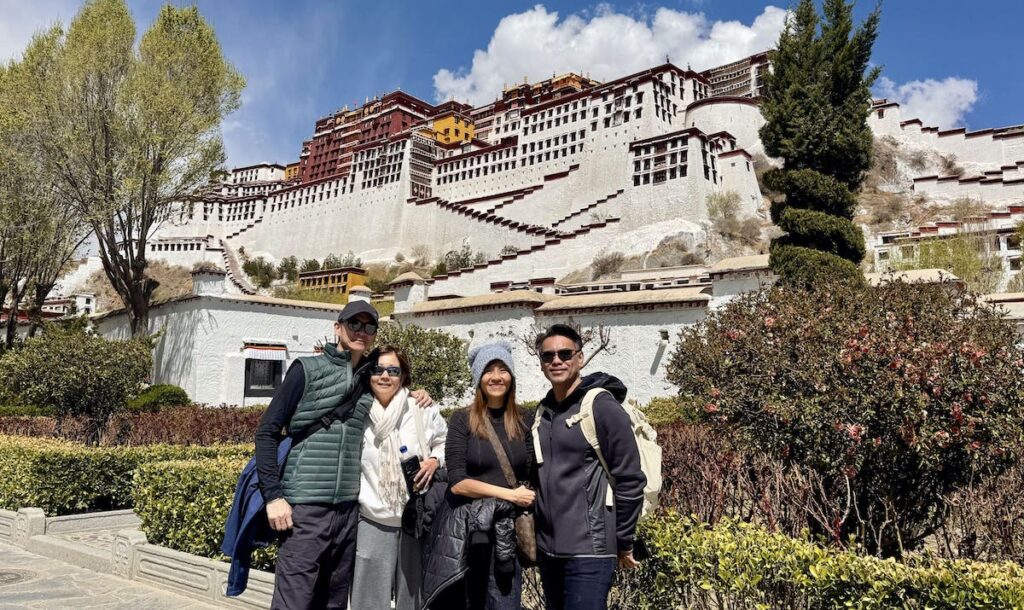
This comprehensive guide will take you through everything you need to know about planning an unforgettable cultural exploration of Tibet. From the hallowed halls of ancient monasteries to the vibrant streets of Lhasa, from the turquoise waters of sacred lakes to the base of the world’s highest peak, prepare to discover the magic that awaits in the Land of Snows.
Preparing for Your Tibetan Cultural Odyssey
Understanding the Essentials: Permits and Planning
Before you can step foot in Tibet, there are crucial logistical hurdles to navigate. The most important of these is the Tibet Travel Permit, also known as the Tibet Entry Permit. As a foreign traveler, independent travel is not permitted; you must book through a licensed travel agency and be accompanied by a local guide throughout your journey. This requirement is in place to ensure the safety and security of travelers in this remote and high-altitude region.
Your travel agency will handle the paperwork, but you must provide a copy of your passport and Chinese visa well in advance—typically at least 45 days ahead of your trip. If your itinerary extends beyond Lhasa to areas like Everest Base Camp, Shigatse, or Ngari, you will also need additional permits, such as the Aliens’ Travel Permit or even a Military Permit for sensitive border regions. A reputable agency will arrange all necessary documentation seamlessly.
How to Get to Tibet: The Journey Begins
Reaching the Roof of the World is an adventure in itself. There are two primary gateways:
From Mainland China: This is the most convenient option for most international travelers. You can fly directly to Lhasa Gonggar Airport from major Chinese cities like Beijing, Shanghai, Chengdu, and Chongqing. Chengdu is the most common hub, with up to eight flights daily. Alternatively, you can take the iconic Qinghai-Tibet Railway from cities like Xining, Beijing, or Shanghai. The Xining-to-Lhasa stretch is renowned as the “Sky Train” and offers breathtaking views of the high-altitude landscape. While many believe the train is better for altitude acclimatization, experts often recommend flying, as a good night’s sleep in a hotel is far more restorative than a cramped night on the train.
From Nepal: You can enter Tibet from Kathmandu via flight or overland through the Gyirong border. However, be aware that this route presents different bureaucratic challenges. A Chinese visa obtained in your home country will be invalid for entry into Tibet from Nepal; you must apply for a new one in Kathmandu, a process that takes at least 3 working days.
When to Embark on Your Tibet Cultural Tour
The best time to visit Tibet is generally from May to October, when the weather is most favorable. However, each season offers a unique experience:
Spring (April–May): Pleasant weather, fewer crowds, and the stunning peach blossoms of Nyingchi.
Summer (June–August): The warmest months with higher oxygen levels, lush green landscapes, and vibrant local festivals. This is also the peak tourist season, so expect larger crowds and higher prices.
Autumn (September–October): Widely considered the best time for trekking and photography. The skies are crystal clear, offering unparalleled views of Mount Everest and the Himalayan range.
Winter (November–March): The quietest and most affordable season, perfect for those seeking solitude. The atmosphere is deeply spiritual, as many Tibetans make winter pilgrimages to Lhasa. Be prepared for very cold temperatures and potential road closures.
Acclimatizing to the Altitude
Altitude sickness is a genuine concern for many visitors to Tibet, with Lhasa sitting at an elevation of approximately 3,650 meters (11,975 feet) and Everest Base Camp at 5,150 meters (16,895 feet). To minimize the risk:
- Take it slow: Arrive in Lhasa and rest for at least 1-2 days before engaging in strenuous activities.
- Stay hydrated: Drink plenty of warm water and avoid alcohol.
- Eat light: Avoid heavy, greasy foods and opt for smaller meals.
- Consider medication: Consult your doctor about medications such as Acetazolamide or Diamox.
- Avoid bathing: In the first few days, avoid taking showers or baths to prevent catching a chill, which can exacerbate symptoms.
A Comprehensive Itinerary for Your Tibet Culture Tour
The Lhasa Experience: Spiritual Heart of Tibet
No Tibet culture tour is complete without exploring Lhasa, the “Place of the Gods.” Your journey will begin in this holy city, which served as the traditional seat of the Dalai Lama and is the epicenter of Tibetan Buddhism.
Potala Palace (Winter Palace):
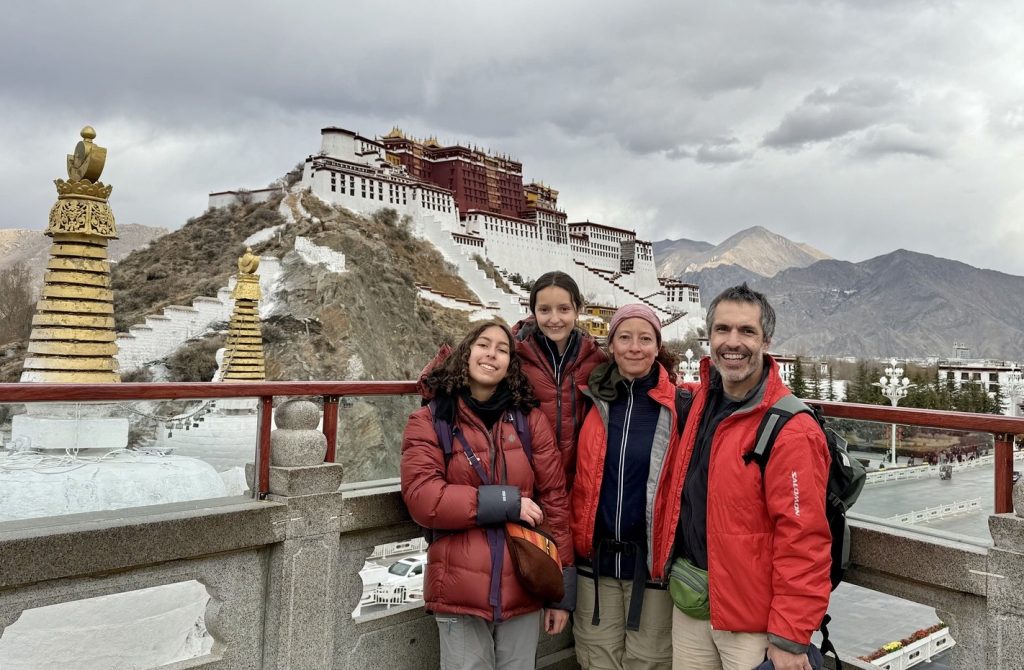
A visit to Lhasa is incomplete without ascending the majestic Potala Palace. This architectural marvel, perched on a hill overlooking the city, was the primary residence of the Dalai Lamas until 1959. It is divided into two parts: the secular White Palace and the religious Red Palace, which houses numerous chapels, shrines, and the tombs of the Dalai Lamas. With over 1,000 rooms, it is a UNESCO World Heritage Site that dominates the Lhasa skyline. A pro tip for visitors: tickets for the Potala Palace must be booked in advance, often 1-7 days ahead.
Jokhang Temple (The Most Sacred Temple):
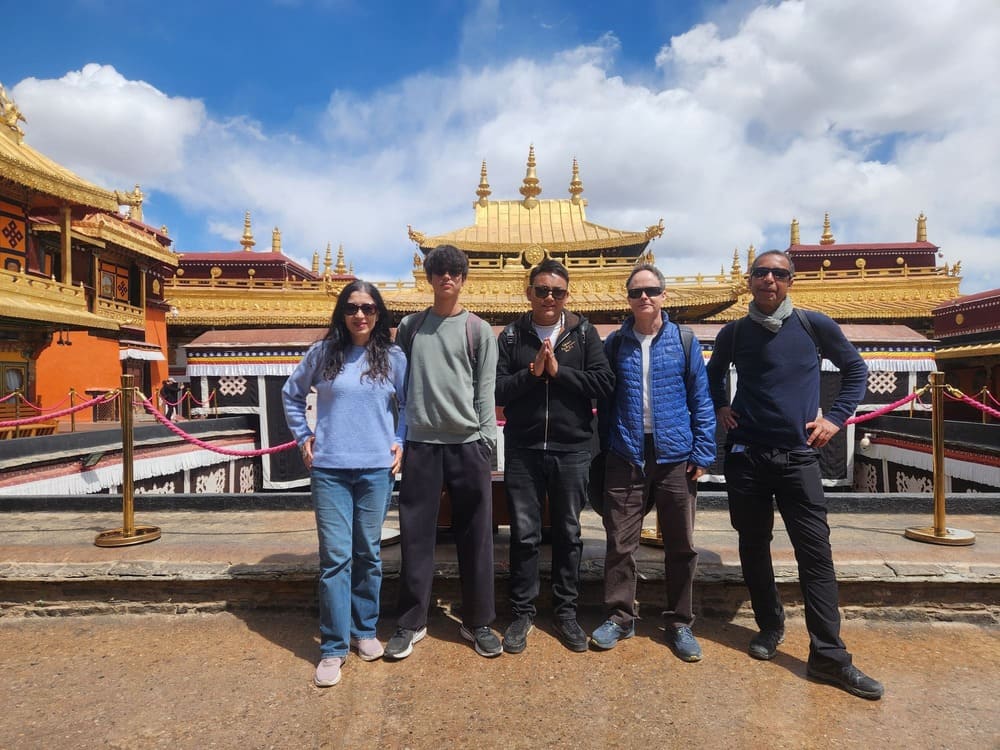
At the heart of Lhasa lies the Jokhang Temple, the most sacred and important temple in Tibet. Its golden roof gleams under the sun, and the temple attracts a steady stream of pilgrims who prostrate themselves in devotion. Inside, you will find the ancient Jowo Shakyamuni statue, a 7th-century masterpiece brought to Tibet from China. Pilgrims travel hundreds of miles to pay their respects to this revered image of the historical Buddha.
The Barkhor Kora:
Surrounding the Jokhang Temple is the vibrant Barkhor Street, a narrow, winding path that forms a sacred kora (circumambulation) circuit. Join the pilgrims as they walk clockwise, spinning prayer wheels and murmuring mantras. This is the perfect place to observe daily Tibetan life, shop for traditional handicrafts, and experience the palpable spiritual energy that permeates the city.
Sera Monastery (The Great University):
A short distance from the center, Sera Monastery is one of the three great monastic universities of Tibet, established in the early 15th century. The highlight of a visit is the lively philosophical debating sessions held by the monks, usually taking place in the courtyard from around 3:00 PM. Watching the monks engage in rigorous religious debate, punctuated by dramatic hand claps and gestures, is an unforgettable experience.
Drepung Monastery:
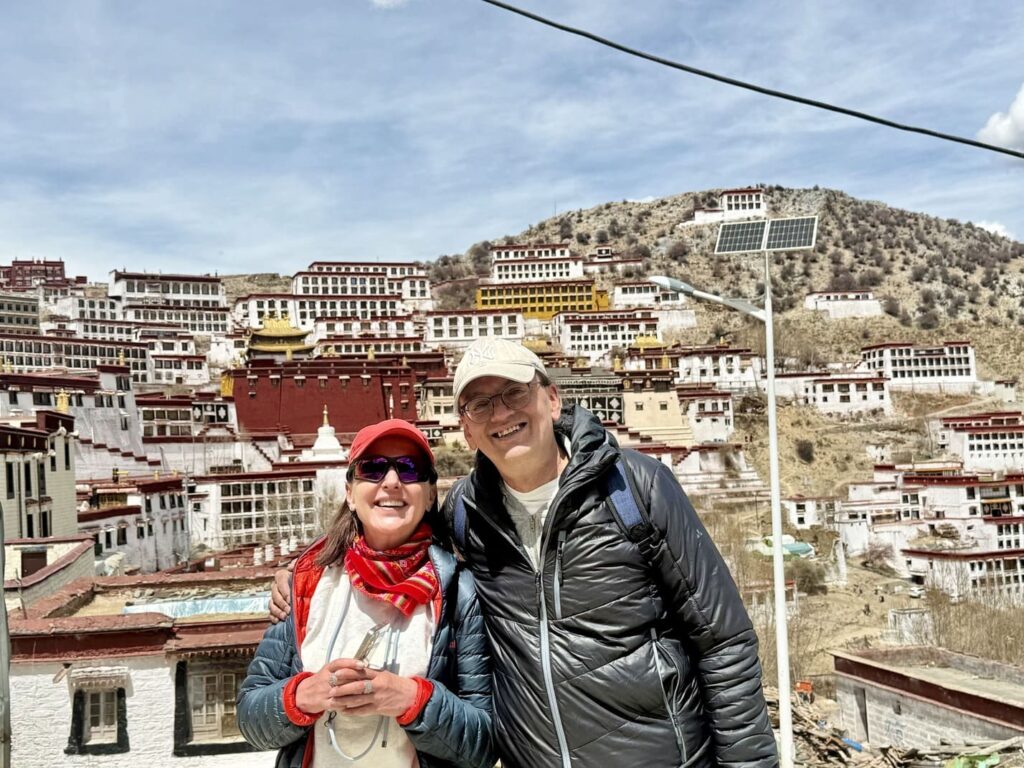
The largest of the three great monastic universities, Drepung Monastery once housed over 10,000 monks. Located at the foot of Mount Gambo Utse, it is famous for its massive prayer halls, intricate murals, and the annual Shoton Festival during the summer.
Norbulingka (Summer Palace):
For a more tranquil experience, visit Norbulingka, the Dalai Lama’s summer palace. Built in the 1740s, its name translates to “Jewel Garden,” and it serves as a peaceful oasis with beautiful manicured gardens, pavilions, and a small zoo.
Beyond Lhasa: Sacred Lakes, Himalayan Peaks, and Ancient Cities
A deeper cultural immersion takes you beyond the capital to discover the diverse landscapes and spiritual sites of the wider region.
Yamdrok Lake (Turquoise Lake):
Just a few hours’ drive from Lhasa, the sacred Yamdrok Lake is one of the three holy lakes of Tibet. Its shimmering turquoise waters, set against the backdrop of snow-capped mountains, are a sight to behold. The lake is considered the “heart chakra” of Tibet and holds deep spiritual significance for the Tibetan people.
Gyantse:
The historic town of Gyantse is home to the magnificent Pelkhor Choede Monastery, which is famous for its remarkable Kumbum Stupa—an eight-level, three-dimensional mandala containing 100,000 images. This town offers a glimpse into the region’s rich history as a former kingdom.
Shigatse:
The second-largest city in Tibet, Shigatse, is the seat of the Panchen Lamas, the second-highest spiritual authority in Tibet. The imposing Tashilumpo Monastery, one of the six great monasteries of the Gelug School (Yellow Hat sect), dominates the city. Founded in 1447 by the first Dalai Lama, it boasts a massive 26-meter-high statue of the future Buddha, an incredible sight of Tibetan artistry. Tashilumpo Monastery is also known for its vast collection of murals, scriptures, and thangkas.
Mount Everest Base Camp:
For those with a sense of adventure, a journey to Everest Base Camp (EBC) is a profound experience. The road leads through dramatic landscapes to Rongbuk Monastery, the highest monastery in the world, offering stunning views of the north face of the mountain. Spending a night here to watch sunrise over Everest is a moment travelers never forget.
Nyingchi:
Known as “the Switzerland of Tibet,” this eastern region is at a lower altitude and offers lush forests, deep canyons, and the sacred Basongtso Lake. In spring, the valleys burst into bloom with peach blossoms, creating a stunning contrast with the snow-capped Namcha Barwa Peak.
The Fabric of Tibetan Culture
Tibetan Buddhism: The Bedrock of Identity
To understand Tibet is to understand its religion. Tibetan Buddhism is a distinctive form of Vajrayana Buddhism that evolved from the 7th century CE. It incorporates the rigorous intellectual disciplines of Mahayana philosophy, the esoteric rituals of Tantric practice, and elements of the indigenous Bon religion. Characteristic of this tradition is the integration of spiritual and temporal authority, historically embodied in the institution of the Dalai Lama.
The landscape of Tibet is dotted with monasteries and stupas, serving as centers of learning, worship, and community life. The monastic traditions of early Theravada Buddhism are also an integral part of the religion, and a large segment of the population was historically involved in religious life.
Art, Ritual, and Daily Life
Culture in Tibet is woven through the rituals and arts of daily life:
Thangkas: These intricate Buddhist paintings on cotton or silk, depicting Buddhas, mandalas, and deities, are masterpieces of religious art, created using vibrant mineral pigments. You can visit artistic hubs like Wutun Monastery to see artist-monks at work.
Prayer Flags and Wheels: The colorful prayer flags that adorn passes and rooftops carry blessings on the wind. Spinning prayer wheels is a daily act of devotion for many Tibetans, with the mani mantra “Om Mani Padme Hum” repeated.
Butter Tea and Tsampa: An essential part of Tibetan culture is its cuisine. Butter tea, a salty concoction made from yak butter, tea leaves, and salt, is a staple drink that provides energy in the high-altitude cold. Tsampa, roasted barley flour, is the dietary cornerstone, eaten daily and used in religious offerings. Participating in a Tibetan cooking class to make these items is a deeply immersive cultural experience.
The Kora: Circumambulating a stupa, a monastery, a mountain, or a lake is a core practice in Tibetan Buddhism, believed to accumulate merit. This physical act of devotion is central to the experience of pilgrimage in Tibet.
Festivals: The Living Calendar of Tibetan Culture
Experiencing a Tibetan festival is one of the most vibrant ways to engage with the culture. These celebrations are deeply rooted in religious traditions and offer a spectacular display of color, music, and devotion.
Losar (Tibetan New Year): This is the most important festival in Tibet, typically falling in February or March. The celebrations last for 15 days and include elaborate ceremonies, family gatherings, and the offering of special foods. Monks perform masked dances, and homes are cleaned and decorated to welcome the new year.
Shoton Festival (Yogurt Festival): Held in Lhasa during the summer, this festival celebrates the end of the monks’ summer retreat. The highlight is the unfurling of a giant thangka of Buddha at Drepung Monastery, a breathtaking spectacle that draws thousands of pilgrims. The festival also features Tibetan opera performances and lively picnics in Norbulingka.
Saga Dawa Festival: This sacred festival commemorates the birth, enlightenment, and death of Buddha. It falls on the full moon day of the fourth lunar month (usually June). Pilgrims circumambulate holy sites, offer prayers, and engage in acts of charity. It is considered the most meritorious day of the year for Tibetan Buddhists.
Tibetan Horse Racing Festival: During the summer months, especially in regions like Nagqu, you can witness the thrilling horse racing festivals. These events showcase the equestrian skills of Tibetan nomads, featuring races, archery competitions, and traditional dances. It is a celebration of nomadic culture and heritage.
Essential Travel Tips and Etiquette
To ensure a respectful and enriching visit, keep these cultural tips in mind:
Religious Etiquette
- Temples: Always remove your hat and sunglasses before entering a temple. Dress modestly (no shorts or short skirts) and maintain a quiet and respectful demeanor. Do not point at Buddha statues with your finger; use an open palm gesture.
- Prayer Wheels and Koras: Always walk clockwise around stupas, temples, and mani walls, and turn prayer wheels in a clockwise direction. This aligns with the flow of karma and devotion.
- Photography: Always ask for permission before taking a photo of a monk, a pilgrim, or a local person. Many temples strictly prohibit photography inside. Respect these rules and avoid photographing those performing full prostrations, or do so from behind.
Social Customs
- Greetings: The traditional Tibetan greeting is to stick out one’s tongue slightly and press the palms together. If you are offered a white silk scarf (khata), accept it with both hands and bow slightly.
- Donations: If you wish to donate at a temple, it is appropriate to do so with a small amount of local currency. Money is often placed directly on the altar or in donation boxes.
- Gifts: Bringing small gifts like tea or candy when visiting a local’s home is a kind gesture.
Practical Considerations
- Health: Pack sunscreen (SPF 50+), sunglasses, a sun hat, and a reusable water bottle. The UV rays in Tibet are extremely strong. Lip balm and moisturizer are also recommended to combat the dry air.
- Packing: Dress in layers, including a warm fleece, a windproof jacket, and comfortable hiking shoes. Temperatures can fluctuate dramatically between day and night.
- Communication: While Mandarin is widely spoken, learning a few phrases in Tibetan—such as tashi delek (a greeting), tu-je-che (thank you), and nga-ko (yes)—will be warmly appreciated by locals.
- Mobile Payment: WeChat Pay and Alipay are widely accepted in cities like Lhasa and Nyingchi, though cash (preferably Chinese Renminbi) is essential in remote areas.
Environmental Responsibility
Tibet’s fragile ecosystem is one of its most precious assets. As a responsible traveler, you should:
- Avoid littering and carry reusable water bottles to minimize plastic waste.
- Stay on designated trails when trekking to protect the vegetation.
- Respect wildlife and maintain a safe distance from animals.
- Support local businesses and purchase authentic handicrafts to contribute to the local economy.
Must-Try Experiences for an Authentic Tibet Culture Tour
Join a Pilgrimage Walk
One of the most authentic experiences you can have in Tibet is joining a pilgrimage walk. Wake up before dawn and head to the Barkhor Circuit in Lhasa. Here, you will witness hundreds of devout Tibetans performing full-body prostrations, their wooden handboards sliding across the stone pavement as they chant mantras. Walking alongside these pilgrims, spinning the giant prayer wheels, and observing the morning rituals offers an unparalleled glimpse into the deep faith that sustains Tibetan culture.
Attend a Monastic Debate Session
The philosophical debates at Sera Monastery are a must-see. The debates follow a specific format where one monk stands and presents a philosophical argument, and another sits to challenge it. The questions are punctuated by a sharp clap and a raising of the right hand, signifying the cutting of ignorance. These sessions are not just theatrical performances; they are integral to the monastic education system, where logic and knowledge are tested through rigorous discourse.
Learn Traditional Tibetan Arts
For those seeking a hands-on experience, consider taking a workshop in traditional Tibetan arts. Many cultural centers in Lhasa offer classes in:
- Thangka Painting: Learn the intricate techniques of painting Buddhist deities, the precise measurements of proportions, and the symbolism behind each color and gesture.
- Mani Stone Carving: Try your hand at carving the sacred mantra “Om Mani Padme Hum” onto a stone, a practice that is believed to bring blessings and accumulate merit.
- Butter Sculpture: This unique art form involves molding colored butter into intricate representations of deities, flowers, and auspicious symbols, used as offerings in monasteries.
Trek Through Remote Villages
While the cultural centers are fascinating, the true soul of Tibet lies in its remote villages. A trek through the valleys of Ganden or Samye, staying in simple guesthouses and interacting with local nomadic families, provides an intimate understanding of rural Tibetan life. You can help with daily chores, learn to make tsampa, and listen to stories passed down through generations.
The Cuisine of Tibet: A Culinary Journey
Tibetan cuisine is simple, hearty, and perfectly adapted to the harsh climate. It is a cuisine of necessity, where every ingredient serves a purpose.
Tsampa (Roasted Barley Flour): The cornerstone of Tibetan food, tsampa is made by roasting barley and grinding it into flour. It is typically mixed with butter tea and formed into a dough that is eaten with the hands. It is portable, nutritious, and provides sustained energy.
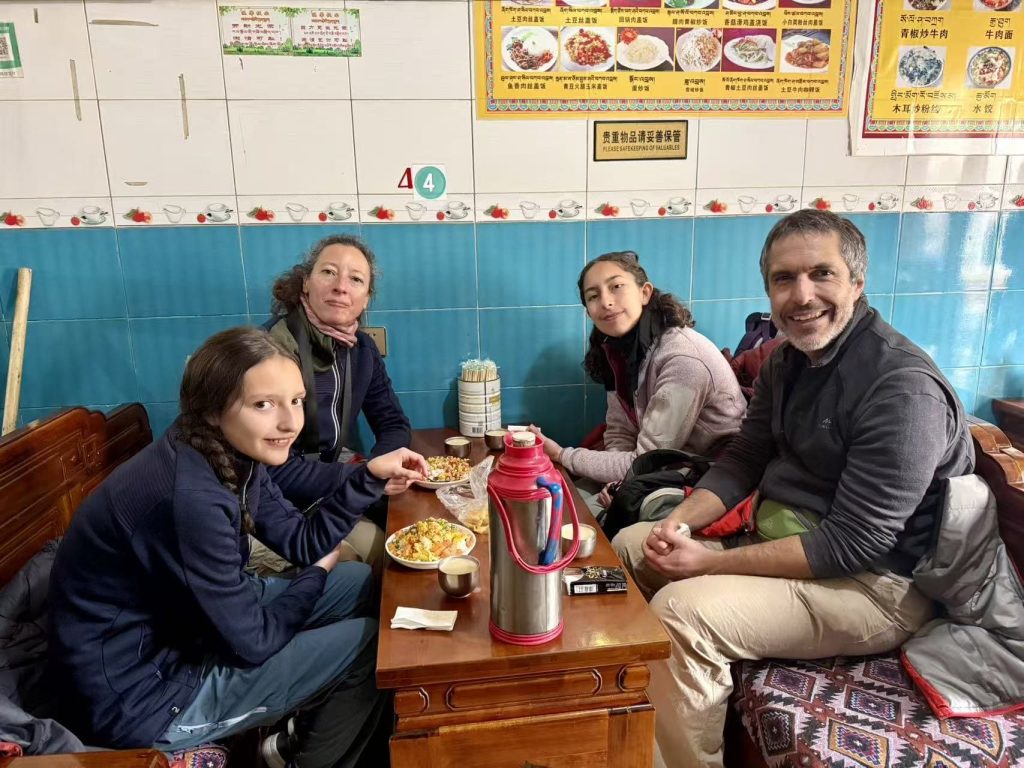
Butter Tea (Po Cha): This is not a drink for the faint-hearted. Made from black tea, yak butter, salt, and sometimes barley flour, it is whipped into a frothy, savory beverage. It is the fuel that powers Tibetans through their day and is offered to every guest as a sign of hospitality.
Momos (Tibetan Dumplings): These steamed or fried dumplings are filled with minced yak meat, beef, or vegetables. They are a popular street food and a comforting meal, often served with a spicy chili dipping sauce.
Thukpa (Noodle Soup): A hearty noodle soup made with vegetables, meat, and rich broth, thukpa is a warming and satisfying dish, especially popular during the cold winter months.
Sha Phaley (Fried Meat Bread): This is a type of stuffed flatbread, filled with seasoned meat and fried until golden and crispy. It is a delicious snack or light meal.
Tibetan Yogurt: Made from yak milk, this yogurt is thick, tangy, and incredibly creamy. It is often served with sugar and is a refreshing treat, especially during the Shoton Festival.
Dining Etiquette
When invited to a Tibetan home, there are a few customs to observe:
- Accept food and drink graciously; refusing may be considered impolite.
- When drinking tea, it is customary to leave a small amount at the bottom of the cup as a sign that you have had enough. The host will continuously refill your cup until you do this.
- Eat tsampa with your right hand, mixing it into a ball and popping it into your mouth.
Understanding the People: Nomads, Monks, and City Dwellers
Tibet is a land of diverse communities. Understanding the different facets of Tibetan society enriches your cultural tour.
The Nomads: The nomadic communities of the Tibetan Plateau are the stewards of the vast grasslands. They live in black yak-hair tents and move with their herds of yaks and sheep according to the seasons. Their lifestyle is one of resilience and harmony with nature. Visiting a nomadic settlement offers a glimpse into a way of life that has remained unchanged for centuries.
The Monastic Community: Monks and nuns are the spiritual backbone of Tibetan society. They dedicate their lives to the study and practice of Buddhism. They perform daily rituals, oversee the maintenance of monasteries, and guide the community in religious matters. Interacting with monks and learning about their daily routines provides deep insight into Tibetan spiritual life.
The City Dwellers: Lhasa and Shigatse are bustling modern cities with vibrant urban cultures. Here, you will find a younger generation of Tibetans who are navigating the intersection of tradition and modernity. They work in offices, run shops, and are embracing new technologies while still maintaining their cultural identity. Conversations with them offer a nuanced perspective on contemporary Tibet.
Shopping Guide: What to Buy in Tibet
Shopping in Tibet is an experience in itself. The markets are filled with unique items that reflect the region’s rich artistic heritage.
Thangkas: These sacred paintings are the ultimate souvenir. Authentic thangkas are hand-painted by skilled artists and can range from affordable small pieces to highly expensive masterpieces. When buying, ask about the materials and the artist to ensure authenticity.
Prayer Wheels: These handheld wheels, often made of brass or copper, are beautiful and symbolic items. They come in various sizes and are inscribed with mantras.
Tibetan Carpets: Woven from wool and silk, these carpets feature intricate traditional patterns and vibrant colors. They are durable and make a luxurious addition to any home.
Jewelry and Accessories: Turquoise, coral, and silver are highly prized in Tibetan jewelry. You can find necklaces, bracelets, and earrings that are both beautiful and culturally significant.
Singing Bowls: These metal bowls produce a resonant, harmonic sound when struck or rubbed. They are used in meditation and healing practices.
Incense: Tibetan incense is made from natural herbs and resins. It has a distinct, earthy fragrance and is used in religious ceremonies and for meditation.
Shopping Tips
- Bargaining: Bargaining is expected in local markets. Start with a lower price and negotiate politely.
- Authenticity: Beware of mass-produced items made in China. Look for signs of handcraftsmanship.
- Respect: Some items, like antique Buddha statues or relics, may be sacred and should not be treated as mere curios.
Conclusion: A Journey of a Lifetime
A Tibet culture tour is not merely a vacation; it is a pilgrimage of the soul. It is an opportunity to step into a world where faith permeates every aspect of life, where ancient traditions are not just preserved but actively lived, and where the land itself is considered sacred.
From the breathtaking views of the Himalayas to the awe-inspiring spiritual energy of the Potala Palace, this journey offers an experience of unparalleled depth and beauty. With careful planning, a respectful heart, and a spirit of adventure, your trip to the Roof of the World will undoubtedly be one of the most transformative experiences of your life.
Are you ready to answer the call of the Himalayas? Begin planning your Tibet culture tour today!