
Standing in the shadow of the world’s highest peak is a dream for many, and a Tibet Everest Base Camp tour offers one of the most accessible and breathtaking ways to achieve it. Unlike the multi-day trek required on the Nepalese side, the North Base Camp in Tibet is reachable by vehicle, making the majestic Mount Everest—known as Qomolangma in Tibetan, meaning “Goddess Mother of the World”—available to a broader range of adventurers.
This comprehensive guide covers everything you need to know for an unforgettable Tibet tour, from planning and permits to what to expect when you finally gaze upon the Everest north face.
Why Choose the Tibet Side of Everest?
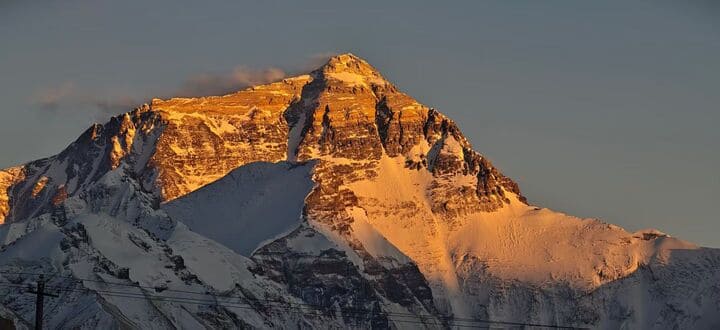
There are two main approaches to Everest: the South Base Camp in Nepal and the North Base Camp in Tibet. The Tibet Everest Base Camp sits at an elevation of approximately 5,200 meters (17,060 feet) and is famed for its unparalleled panoramic views of the mountain’s imposing north face.
The primary advantage of a Tibet Everest Base Camp tour is accessibility. The journey from Lhasa follows the paved Friendship Highway, offering a comfortable overland adventure through some of the world’s most dramatic landscapes. You can drive right up to the vicinity of the camp, with only a short shuttle or walk to the final viewpoint. This makes it an ideal choice for travelers who want to experience the Himalaya’s grandeur without the physical demands of a high-altitude trek.
Another significant advantage is the unique perspective. Viewing Everest from the north side allows you to see its sheer, vertical face, which presents a completely different character compared to the southern approach in Nepal. The Tibetan plateau provides a vast, high-altitude desert backdrop that contrasts sharply with the lush, green foothills of the Nepalese side, offering photographers and nature lovers a distinct and dramatic visual experience.
Furthermore, the cultural immersion is deeper on the Tibet side. The journey takes you through ancient Tibetan towns, past centuries-old monasteries, and into the heart of a culture that has thrived at extreme altitudes for millennia. This combination of natural wonder and cultural richness makes a Tibet Everest Base Camp tour a truly holistic adventure.
The Classic Itinerary: From Lhasa to Everest
A typical Everest Base Camp tour from Tibet lasts 8 days, though itineraries can be tailored. This timeframe allows for crucial acclimatization and sightseeing, ensuring a safer and more enjoyable experience. The journey is carefully paced to help your body adjust to the increasing altitude while immersing you in the spectacular landscapes and spiritual heritage of the Tibetan Plateau.
Days 1-3: Acclimatization and Culture in Lhasa (3,650m)
Your Tibet tour begins in Lhasa, the spiritual heart of Tibet. Spending the first few days here is non-negotiable for your health. Resting and adjusting to the high altitude is critical before heading to the even thinner air of Everest. Lhasa sits at over 3,600 meters, and even this elevation can cause mild symptoms for newcomers.
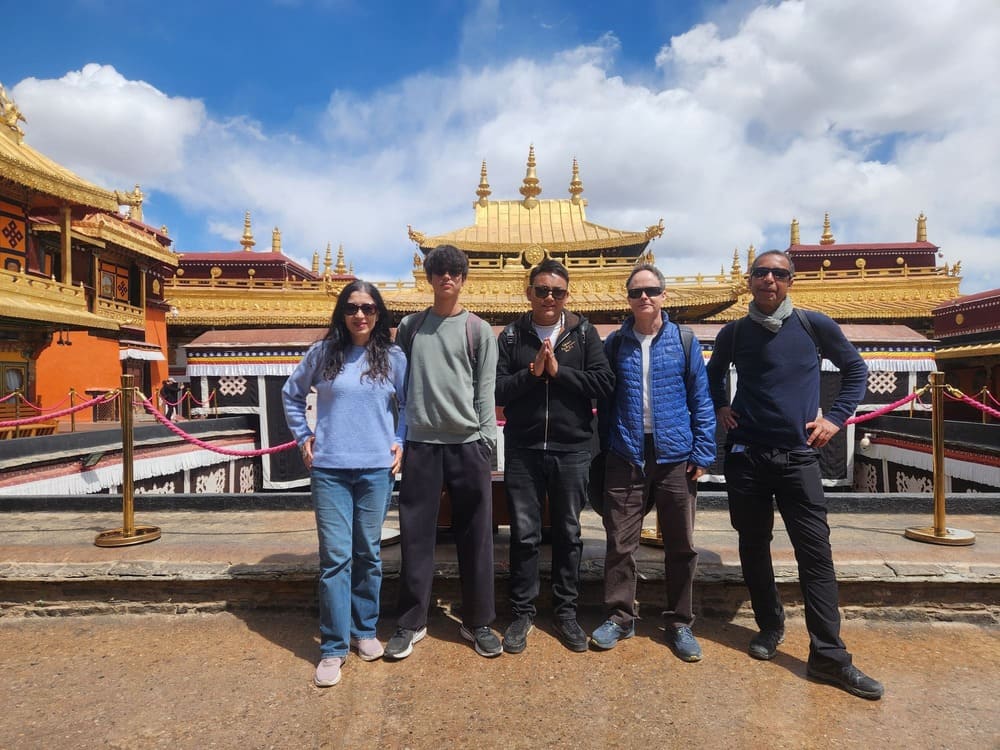
While acclimatizing, you will explore Lhasa’s iconic landmarks. The Potala Palace, the former winter residence of the Dalai Lama, is a cardinal landmark of Tibet and an architectural marvel that dominates the city’s skyline. Its thousand rooms, intricate murals, and golden stupas tell the story of Tibetan Buddhism and history. The Jokhang Temple, the most sacred shrine in Tibet, is located in the heart of the old city and is constantly bustling with pilgrims prostrating themselves in devotion. Walking the Barkhor Street, a vibrant pilgrimage route encircling the Jokhang Temple, is the perfect way to soak in the local atmosphere and shop for souvenirs. The air is thick with the scent of yak butter incense and the sound of prayer wheels turning.
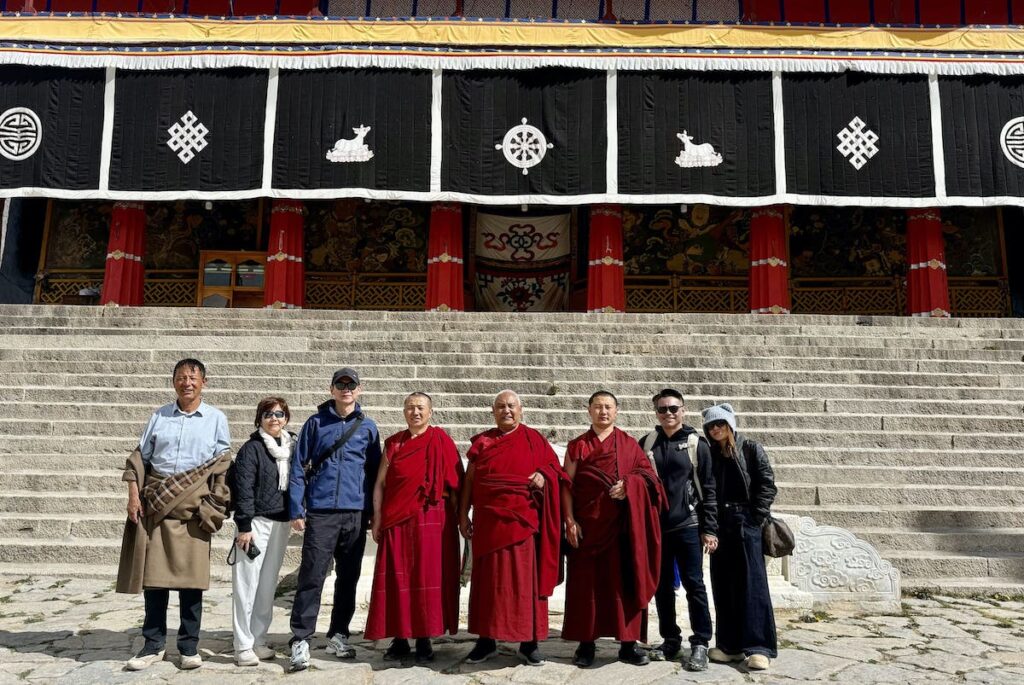
On the third day, venture to the outskirts to visit Drepung Monastery, once the world’s largest monastic university, and Sera Monastery, famous for its afternoon philosophical debates. These visits not only enrich your cultural understanding but also keep you gently active during your acclimatization period.
Day 4: The Scenic Drive to Shigatse
Leaving Lhasa, the journey to Everest truly begins. The drive from Lhasa to Shigatse (3,890m) is one of the most scenic routes on the planet. As you ascend into the higher reaches of the Tibetan Plateau, the landscape transforms into a vast expanse of rolling hills, turquoise lakes, and snow-capped peaks.
Key highlights along this route include Yamdrok Lake, one of Tibet’s three holy lakes, known for its stunning, turquoise color that seems almost surreal against the barren mountains. You will cross the Kampa La Pass for a spectacular bird’s-eye view of the lake’s winding shoreline. Another breathtaking sight is the Karo La Glacier, an impressive cascade of ice from the Nyenchen Khangsar mountain range that descends dramatically toward the roadside.
The journey also includes a stop in Gyantse to visit the Pelkor Monastery and the famous Gyantse Kumbum, a stunning stupa with a unique architectural design that rises in tiers to offer panoramic views of the surrounding valley. The town of Gyantse itself is steeped in history and provides a fascinating glimpse into traditional Tibetan life. Finally, you arrive in Shigatse, Tibet’s second-largest city, which serves as the cultural and political hub of the Tsang region.
Days 5-6: The Final Ascent to Everest Base Camp
From Shigatse, you will drive to the base camp, a journey of six to eight hours. The route takes you over high passes that offer some of the most exciting views of the Himalayas. The most famous of these is the Gawu La Pass, which, on a clear day, offers a panoramic vista of five of the world’s highest peaks: Everest, Lhotse, Makalu, Cho Oyu, and Shishapangma. This breathtaking panorama is often the first moment travelers truly grasp the scale of the Himalayan range.
Upon arrival at Rongbuk Monastery, situated at an elevation of 5,154 meters, you are at the gateway to Everest. This is the highest monastery in the world, and its simple, whitewashed buildings provide a stark contrast to the towering peak behind it. A short walk or eco-friendly shuttle bus ride from the monastery leads you to the final Everest Base Camp viewpoint.
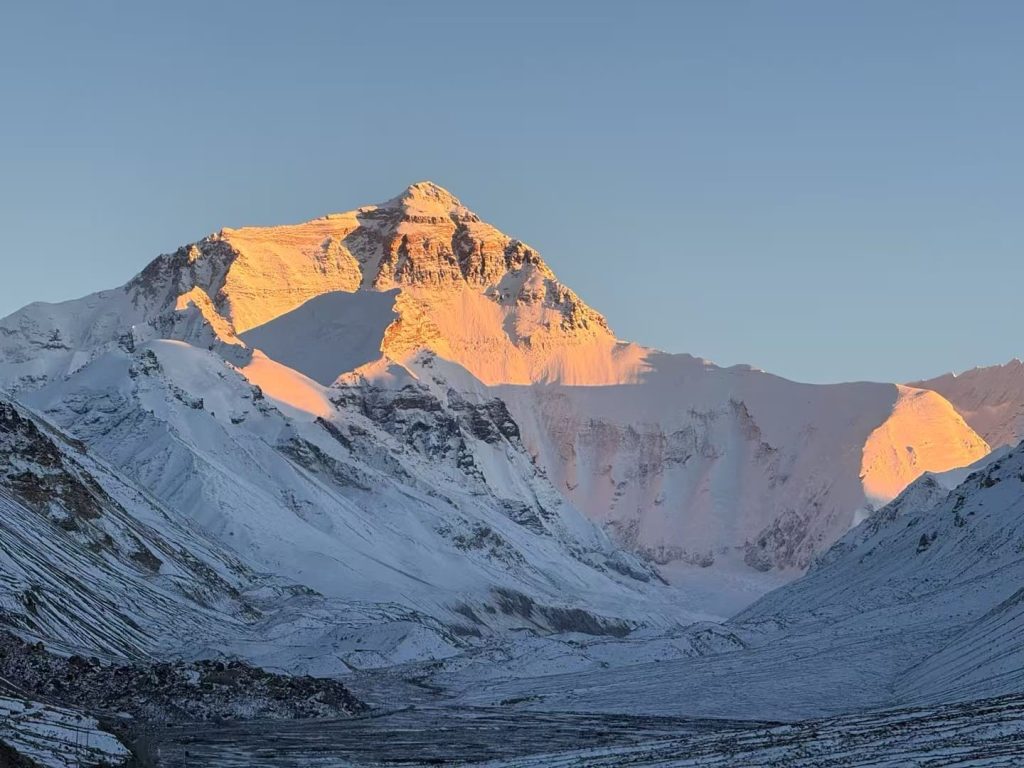
This is the highlight of your tour, offering the unforgettable experience of watching the sunset paint the summit in shades of gold and pink. The night sky at EBC is also spectacular, with thousands of stars visible in the thin, clear mountain air. Sleeping at this altitude is an adventure in itself. Many travelers choose to spend the night here or in the nearby tent camp, waking up early to witness the “Golden Summit” at sunrise, when the first rays of light strike Everest’s peak before any other part of the landscape.
Days 7-8: The Return Journey
After your night at base camp, you will begin the return journey to Shigatse. Along the way, you will have an opportunity to visit the Tashilunpo Monastery, the historic seat of the Panchen Lama. This sprawling complex is one of the largest working monasteries in Tibet and houses a magnificent 26-meter-high statue of the future Buddha, Maitreya. You will then make your way back to Lhasa for your departure, with the memories of Everest forever etched in your mind.
Best Time to Visit Everest Base Camp
Choosing the right time for your Everest Base Camp tour is crucial for clear views and comfortable weather. The climate on the Tibetan plateau is harsh and unpredictable, so careful planning can make the difference between a peak-obscured trip and one filled with stunning vistas.
Spring, from April to May, is considered one of the best times. The weather is relatively dry, skies are often clear, and temperatures are beginning to warm up, making it a favorite for photographers. The famous “flag cloud” over Everest, a plume of snow and ice crystals blown off the summit by high winds, is also most likely to appear in April, adding a majestic touch to the mountain’s appearance.
Autumn, from September to early November, is another excellent season. It offers stable weather, crisp, clear air, and some of the best visibility for mountain views. After the monsoon rains, the atmosphere is washed clean of dust and moisture, resulting in incredibly clear skies. Daytime temperatures are pleasant, though nights can be cold.
Summer, from June to September, is the monsoon season in the region. While warmer, this also means clouds and mist often obscure the peak, especially in July and August. Heavy rains can also make roads challenging and increase the risk of landslides. If you travel during this time, you must be prepared for potential delays and a lower chance of seeing the summit clearly.
Winter, from December to March, offers a unique experience for the most adventurous travelers. Although you will have the mountains almost entirely to yourself, temperatures are extreme, often dropping to minus 20 degrees Celsius or lower at night. Heavy snow can block roads and passes, and Tibet is often closed to foreign travelers during this period due to the harsh conditions.
Important Travel Documents and Permits
Traveling to Tibet and Everest Base Camp is not possible independently. You must book your trip with a licensed travel agency who will arrange the necessary permits for you. This is a strict requirement imposed by the Chinese authorities, and attempting to travel without the proper documentation will result in being turned back.
The Chinese Visa is the first requirement, and you must obtain this before entering China. Ensure your visa application clearly indicates your intended travel dates and destinations. The Tibet Travel Permit is the primary permit required to enter the Tibet Autonomous Region. It is issued by the Tibet Tourism Bureau and is non-negotiable. Without it, you cannot board a flight or train to Tibet.
Additionally, the Aliens’ Travel Permit is required for travel outside of Lhasa, including to Shigatse and Everest Base Camp. This is arranged by your guide once you are in Tibet. In some cases, a Military Permit may also be required for travel to border areas. Due to the complex permit process, it is essential to book your tour well in advance—sometimes up to 25 days before your arrival. Your chosen travel agency will handle all of this paperwork, but you must provide them with accurate information and copies of your passport well ahead of time.
Accommodation and Dining at EBC
Life at Everest Base Camp is an experience in itself, but it is vital to manage your expectations regarding comfort. The overnight facilities at EBC are basic, though they have been renovated in recent years to provide slightly more modern amenities for the increasing number of visitors.
The primary accommodation consists of tented guesthouses. These tents typically house ten to twelve guests in simple twin, double, and triple rooms with a communal lounge area. You will find beds with bedding and a washstand, but there are no private bathrooms. Toilet facilities are communal and located outside, and they are typically simple pit latrines or eco-toilets. The shared nature of the accommodation means you should be prepared for a sociable, if not entirely private, experience.
Amenities such as power outlets are available in some tents for charging devices, but this is not guaranteed. The electricity supply is often limited and unreliable, so it is wise to bring a portable power bank. There are no showers available at the base camp, and internet access is virtually non-existent. This creates a perfect opportunity to unplug, disconnect from the digital world, and fully embrace the raw, unspoiled landscape around you.
For dining, there is a communal dining hall within the tent camp that serves simple meals like noodles, fried rice, and hot beverages. The food is basic but filling, and it is prepared with the health and comfort of travelers in mind. A small store offers snacks, but it is not always open. It is highly recommended to bring your own favorite snacks, energy bars, and instant drinks to supplement the meals, especially if you have dietary restrictions or preferences.
For those particularly worried about altitude sickness, there are also hotels in Tingri County, about forty minutes from the base camp, that offer oxygen and more comfortable amenities. However, staying in Tingri means you will miss the magic of spending the night directly under the stars at EBC, which is a highlight for many visitors.
Altitude Sickness: Preparation is Key
Altitude sickness is a serious concern that must be taken seriously. At EBC, you are at 5,200 meters, where the air contains significantly less oxygen than at sea level. The body needs time to adapt, and failing to allow for this adaptation can lead to serious health complications.
Acclimatization is the most important factor in preventing severe altitude sickness. Spending at least three days in Lhasa and Shigatse before ascending to EBC is non-negotiable. This gradual ascent allows your body to produce more red blood cells to carry oxygen more efficiently. Drink plenty of water, avoid alcohol and heavy meals, and take it easy during your first few days at altitude.
Listen to your body at all times. Symptoms like headaches, nausea, dizziness, fatigue, and shortness of breath are common and usually resolve with rest and hydration. However, if these symptoms worsen, you must descend to a lower altitude immediately. Your guide will be trained to monitor your health and recognize the early warning signs of severe altitude sickness, such as confusion, loss of coordination, or fluid in the lungs.
Medication can also be helpful. Consult with your doctor about altitude sickness medication, such as Diamox, which can help speed up acclimatization. Oxygen canisters are also available at the guesthouses for emergencies, but they are not a substitute for proper acclimatization and descent if symptoms become severe.
Top Things to Do at Mount Everest Base Camp
Beyond simply gazing at the mountain, several memorable activities at EBC can enhance your experience and create lasting memories.
1. Witness the “Golden Summit”
The most awe-inspiring experience is watching the sunrise and sunset over Mount Everest. As the sun rises, it illuminates the peak in a brilliant golden light, a sight that makes the early wake-up call more than worthwhile. The transition from darkness to the first rays of sunlight hitting the summit is a magical moment that captures the power and majesty of the mountain. Photographers from around the world gather here specifically to capture this phenomenon.
2. Visit Rongbuk Monastery
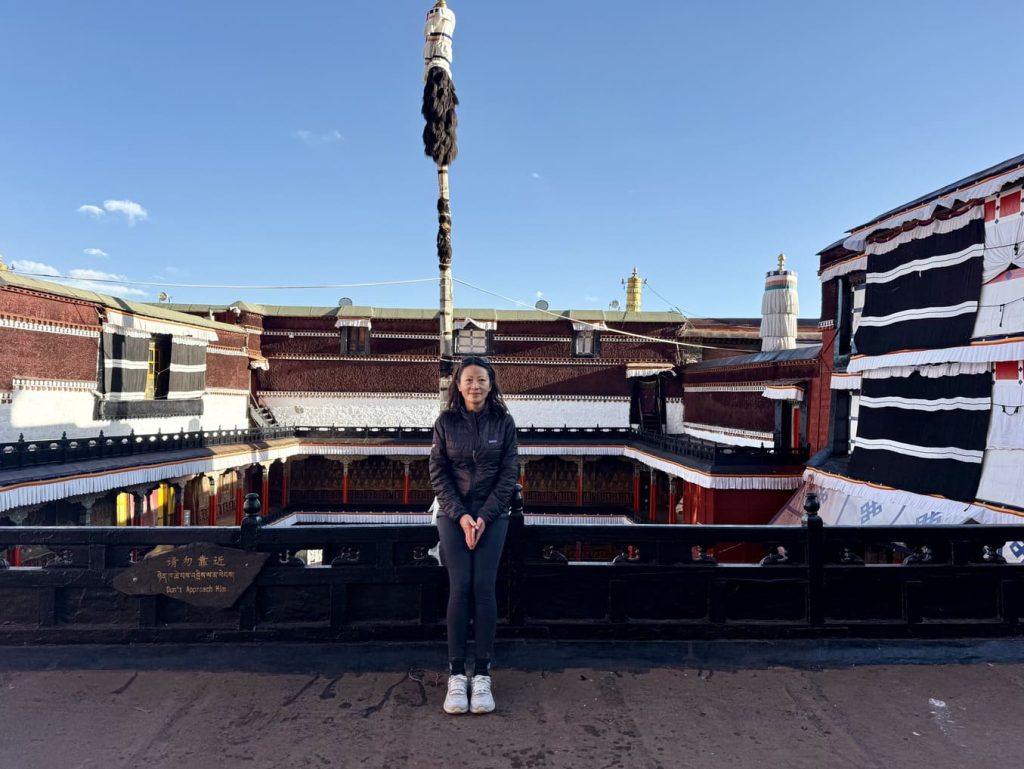
Take time to explore this active spiritual site. Founded in 1902, it is home to both monks and nuns, making it a unique institution in the Tibetan Buddhist world. You can visit the main hall, view the surrounding chortens, and enjoy the dramatic mountain backdrop from this unique, sacred perspective. The monastery has a long history of hosting pilgrims and travelers, and its simple presence adds a profound spiritual dimension to the base camp experience.
3. Send a Postcard from the World’s Highest Post Office
Located near Rongbuk Monastery, this compact post office allows you to send postcards with a special Everest Base Camp postmark, creating a unique and lasting keepsake. This small structure is one of the most popular stops for travelers, and sending a postcard to family or friends back home is a cherished tradition. The postmarks often feature the Everest summit, making them highly collectible.
4. Explore the Base Camp Area
Walk from the tent camp to the famous Everest boundary marker, where a large stone is engraved with “Mount Everest Base Camp.” It is a must-have photo opportunity for every visitor to prove you have reached the top of the world. The walk itself is a great way to stretch your legs, take in the full scale of the surrounding peaks, and feel the rugged terrain beneath your feet. The view from the marker, with the north face of Everest rising directly in front of you, is truly humbling.
What to Pack for Your Tibet Everest Adventure
Packing the right gear is vital. Even in summer, temperatures at EBC can drop below freezing at night. The weather can change rapidly, and being prepared for all conditions is essential for safety and comfort.
For clothing, a heavy down jacket is essential, along with fleece layers for insulation, thermal base layers for moisture management, and waterproof outer layers to protect against wind and snow. Do not forget warm socks, a warm hat, and insulated gloves, as your extremities are most susceptible to the cold.
For footwear, waterproof and sturdy hiking boots are a must for the rough, rocky terrain. The ground at EBC is uneven and can be icy, so boots with good grip are important. It is also wise to pack a pair of comfortable camp shoes or sandals to wear inside the tent when your boots are off.
Sun protection is critical at high altitudes. The sun’s rays are incredibly strong, even on cloudy days. Bring high-SPF sunscreen, UV-protection sunglasses, and lip balm with SPF to prevent burning. A wide-brimmed hat can also provide additional shade for your face and neck.
For electronics, a power bank is essential, as charging facilities are limited and often unreliable. Cold weather drains batteries very quickly, so keep your phone and camera batteries warm by storing them in an inner pocket close to your body. Consider bringing extra batteries for your camera if you are an avid photographer.
For health and wellness, pack any necessary medication, a basic first-aid kit, and altitude sickness remedies such as Diamox. It is also wise to bring water purification tablets, as drinking plenty of safe water is crucial for acclimatization. Snacks, such as energy bars, nuts, and dried fruit, are also recommended to keep your energy levels up between meals.
Conclusion: An Unforgettable Journey
A Tibet Everest Base Camp tour is more than a vacation; it is a profound journey to one of the world’s most extraordinary places. From the cultural richness of Lhasa to the stark beauty of the Himalayas, the experience offers a unique blend of spiritual discovery and physical adventure. While the logistics are complex and the altitude is challenging, the reward of standing in the shadow of the world’s highest peak is an unforgettable achievement and a memory that will last a lifetime.
The journey challenges you, inspires you, and leaves you with a deep appreciation for the power of nature and the resilience of the human spirit. Whether you are a seasoned traveler or a first-time visitor to the region, the magic of Everest and the Tibetan Plateau is something that stays with you forever.
Ready to plan your adventure? Booking with a reputable tour operator is your first and most crucial step. They will handle all the permits, logistics, and safety considerations, allowing you to focus on the experience itself. Have you been dreaming of this journey? Share your questions or thoughts in the comments below.