
When the biting cold wind sweeps across the mainland, and people wrap themselves tightly in down jackets as they hurry along, there is a land bathed in the most generous sunshine of the year. Here, the sky is so blue it seems almost unreal, the snow-capped mountains reveal themselves without reservation, and the frozen lakes take on a dreamlike, jewel-like hue. This is Tibet in winter—a season that most people mistakenly believe is “unsuitable for travel,” yet it is precisely here that the most extraordinary scenery is hidden.
Breaking the Imagination: Is It Cold Traveling to Tibet in Winter?
This is probably the first question that comes to mind for anyone who hears about “winter tours in Tibet.” For a long time, labels such as “extreme cold and lack of oxygen” and “roads closed in winter” have deterred countless travelers who yearn for the snowy plateau. Tang Wei, the manager of a branded hotel in Lhasa, once admitted that in the past, once the National Day holiday passed, hotels, restaurants, travel photography, and other industries would basically prepare to close down, and “half a year full, half a year hungry” was the norm for Tibet’s tourism industry.
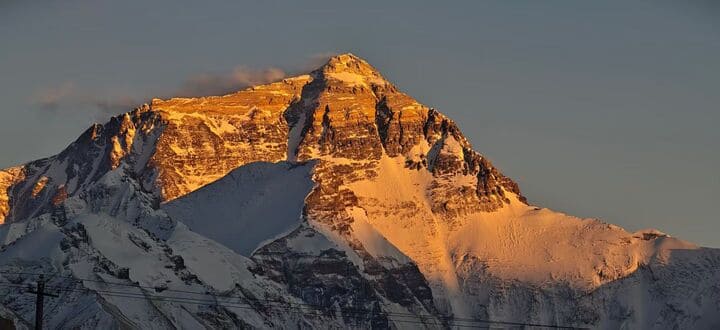
But the truth is, winter in Tibet is far less harsh than imagined. Take Lhasa, the “City of Sunlight,” as an example. When the sun is abundant during the day in winter, temperatures can reach over ten degrees Celsius, and it feels far more comfortable than Beijing or Shanghai during the same period. What is truly cold is the period before sunrise and after sunset. As long as you dress warmly, outdoor activities during the day are not a problem at all. More importantly, winter in Tibet is mainly sunny with extremely clear air and high visibility—this means that your chances of seeing the true face of Namcha Barwa are several times higher than in summer; the “golden sunrise on the peaks” you capture of Mount Everest will no longer be obscured by clouds and mist.
There is also a psychological dimension to consider. Many travelers associate Tibet with summer, when the plateau is green and the roads are busy. But winter strips away the distractions and leaves something rawer and more honest. The landscape does not perform for you; it simply exists, and you are invited to witness it. For photographers, this is invaluable. For anyone seeking solitude and reflection, winter offers a kind of quiet that summer simply cannot match.
Policy Dividends: The Strongest “Winter Tours in Tibet” Benefits in History
What truly transformed winter tours in Tibet from a “niche choice” into a “wise choice” is the annual “Winter Tours in Tibet” market promotion campaign. Launched in 2018, this policy has broken down seasonal barriers with real gold and silver benefits.
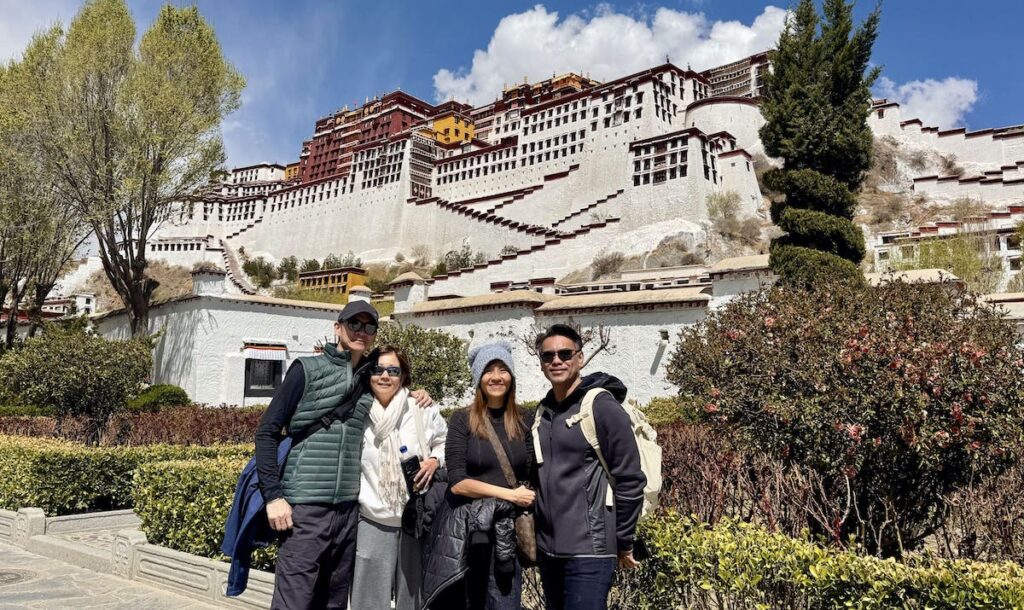
According to information released by the Tibet Autonomous Region Department of Culture and Tourism, the ninth round of the “Winter Tours in Tibet” campaign will be carried out from October 15, 2026, to March 15, 2027. During the campaign, except for temple scenic areas, all A-level scenic areas across the region will be completely free of admission, including the Potala Palace, Namtso, Yamdrok Lake, Basum Lake, and other popular attractions.
In terms of transportation, passenger transport prices of transport enterprises with legal tourism qualifications shall be implemented at no more than 50% of peak-season prices. Specifically, large vehicles (23-29 seats) shall not exceed 6 yuan per kilometer, medium vehicles (8-22 seats) shall not exceed 4 yuan per kilometer, and small vehicles (5-7 seats) shall not exceed 3.5 yuan per kilometer. Airlines and star-rated hotels also simultaneously implement off-season prices, with some transportation costs dropping by as much as 50%.
What does this mean? It means you can stay in the same hotels and charter the same vehicles at half the price of peak season or even less, and the money saved on admission tickets is enough for you to drink dozens of pots of sweet tea on Barkhor Street. It means a family of four can save several thousand yuan on admission alone, money that can be redirected toward a better hotel, a longer itinerary, or a once-in-a-lifetime experience like a helicopter tour over the Himalayas.
The results of the policy are remarkable. When the first “Winter Tours in Tibet” was launched in 2018, from January to April of that year, Tibet received a cumulative total of 2.667 million domestic tourists, a year-on-year increase of 63.5%, and achieved total tourism revenue of more than 3.5 billion yuan, a year-on-year increase of 62.8%. By the period when the 2026 Spring Festival and Tibetan New Year “double festivals” overlapped, data from the Ctrip platform showed that Tibet tourism orders increased by 94% year-on-year, and flight ticket orders increased by 99% year-on-year. Winter tours in Tibet are changing from a “cold option” to a “hot choice.”
The policy has also had a profound impact on local communities. Hotels that once closed for the winter now remain open, providing year-round employment for staff. Restaurants, shops and transport operators have found a second season. In a region where tourism is a vital economic driver, this extension of the travel window has been transformative.
Winter Exclusives: Scenery That Can Only Be Encountered in Winter
If summer in Tibet is green and abundant, then winter in Tibet is blue and pure. This blue is the sapphire blue of frozen lakes, the deep blue of clear skies, and the ethereal blue emanating from deep within glaciers. It is a palette that feels almost otherworldly, and it is available only in these months.
Blue Ice Wonders: Nature’s Art of Freezing
In winter, Yamdrok Lake, Puma Yumco, and Namtso shed their summer shimmering waves and put on a thick coat of ice. The frozen lake surface presents a deep sapphire blue, with ice cracks and bubble ice interweaving into nature’s most exquisite artistic masterpiece. The deep blue ice surface and white网状 patterns of Qayangcuo have also become a newly popular internet-famous check-in spot. Tourists equipped with crampons can feel the charm of the blue ice up close—that kind of penetrating blue is something no photo can fully capture.
What makes blue ice so special is the science behind it. As ice forms and compresses over time, air bubbles are squeezed out, allowing light to penetrate deeper before scattering. The result is that mesmerizing blue, a color that seems to glow from within. Standing on the edge of a frozen lake, listening to the ice crack and groan as temperatures shift, is an experience that connects you to the raw power of nature.
Nyingchi’s winter presents another kind of tranquility and liveliness. The waters of Basum Lake turn into ethereal blue sapphires, embraced by snow-capped mountains. In the primitive forests of Xincuo, sunlight filters through the fir trees onto paths covered with moss. Hiking or riding a sand bike through them gives one a sense of “searching for traces in the wild mountains.”
A Feast of Snow Mountains: The Best Time to Meet the Sacred Peaks Face to Face
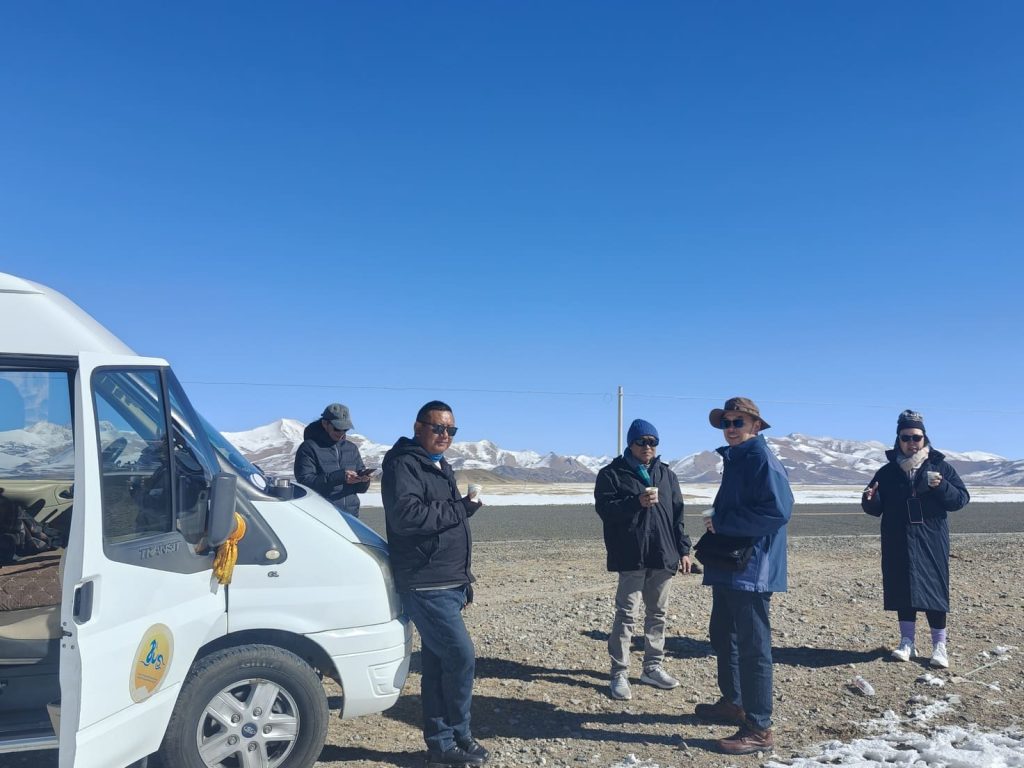
In summer, Namcha Barwa is encountered by only one in ten visitors. But in winter in Suosong Village, the scene of the morning sun gilding this “shy maiden peak” is almost a daily occurrence. In Shigatse, Mount Everest Base Camp welcomes its best viewing period, and the magnificent view of five snow-capped mountains in the same frame from Gawula Pass becomes one of the most stunning experiences of winter travel.
For many travelers, seeing Everest is a lifelong dream. In winter, the skies are clearer, the air is drier, and the mountain stands revealed in all its terrifying, beautiful glory. The wind is sharper, yes, but the reward is a view that many summer visitors never get to see. Standing at the base camp, watching the sun set behind the world’s highest peak, is a moment that stays with you forever.
A Dialogue Between Hot Springs and Snow Mountains
In winter in Tibet, there is another ultimate enjoyment—soaking in a steaming hot spring while watching snowflakes fall on the snow-capped mountains in the distance. Yangbajing Geothermal Hot Spring is located at the foot of Nyainqentanglha Mountain, at an altitude of about 4,300 meters, one of the highest hot springs in the world. The steaming geothermal field is surrounded by snow-covered mountains, forming a breathtaking natural wonder on the roof of the world. Dezhong Hot Spring in Maizhokunggar County has a constant water temperature of around 40°C and is rich in various minerals. Local villagers rely on the hot spring to run shops and teahouses, and also provide tourists with 12 free services, including oxygen absorption and parking.
There is something deeply restorative about soaking in hot mineral water at altitude, with the cold air biting at your face and the warmth enveloping your body. It is a sensory contrast that heightens every moment. Many visitors describe it as the single most relaxing experience of their entire trip.
Human Warmth: The Correct Way to Experience Lhasa in Winter
In winter, Barkhor Street has less of the peak-season crowding and more of a sense of ease. Young people dressed in traditional Tibetan clothing taking photos are still a street scene, but you no longer need to worry about fighting for a good shooting angle. The Potala Palace has adjusted its winter opening hours, and visitors can slowly experience the architectural art and historical heritage of the Red Palace and White Palace in the warm sun.
Sweet tea houses are the soul of winter Lhasa. In the Guangming Gangqiong Sweet Tea House, the steam from the sweet tea blurs the windows, and locals and tourists sit together. A cup of sweet tea and a bowl of Tibetan noodles can pass a whole morning. Tsampa, yak meat soup pot, Nyingchi stone pot chicken—these plateau delicacies have a warmer meaning in the cold season.
If you happen to be there during the Tibetan New Year, you also have the chance to participate in this greatest festival of the Tibetan people. During the period when the 2026 Spring Festival and Tibetan New Year overlapped, Nyingchi City received a total of 297,100 tourists and achieved total tourism spending of 188 million yuan. During the double festivals, Basum Lake Scenic Area provided free butter tea and sweet tea to tourists, staff presented hadas, and the waiting area at the boat dock became a miniature cultural experience space.
Winter is also a time when Tibetan hospitality feels most genuine. With fewer tourists around, interactions with locals are more organic and less transactional. You are more likely to be invited into someone’s home, to share a meal, to hear stories that guidebooks do not contain. This is the Tibet that exists beyond the postcards.
Practical Guide: What to Pay Attention to When Traveling to Tibet in Winter
About altitude sickness. The oxygen content in Tibet in winter is not much different from summer. Altitude sickness depends more on individual constitution and the pace of adaptation. It is recommended to rest for a day or two after arriving in Lhasa, avoid strenuous exercise, drink plenty of water, and maintain a good mindset. For scenic areas at higher altitudes such as Namtso, even more caution is needed.
About keeping warm. The temperature difference between day and night on the plateau in winter is extreme. Windproof jackets, warm shoes and socks, hats and gloves are essential. Namtso Scenic Area specifically reminds visitors that the lakeside easily freezes, and visitors should not step onto the ice surface and must strictly follow the guidance of scenic area staff.
About itineraries. Some scenic areas in winter may temporarily adjust opening hours due to snowfall. Namtso Zhaxi Island Scenic Area’s winter opening hours are 9:30-18:00 daily. The first sightseeing bus departs at 9:30, the last bus leaves the distribution center at 18:00, and the last return from Zhaxi Island is at 19:30. Before departure, we recommend following the official announcements of each scenic area or calling the consultation hotline to confirm.
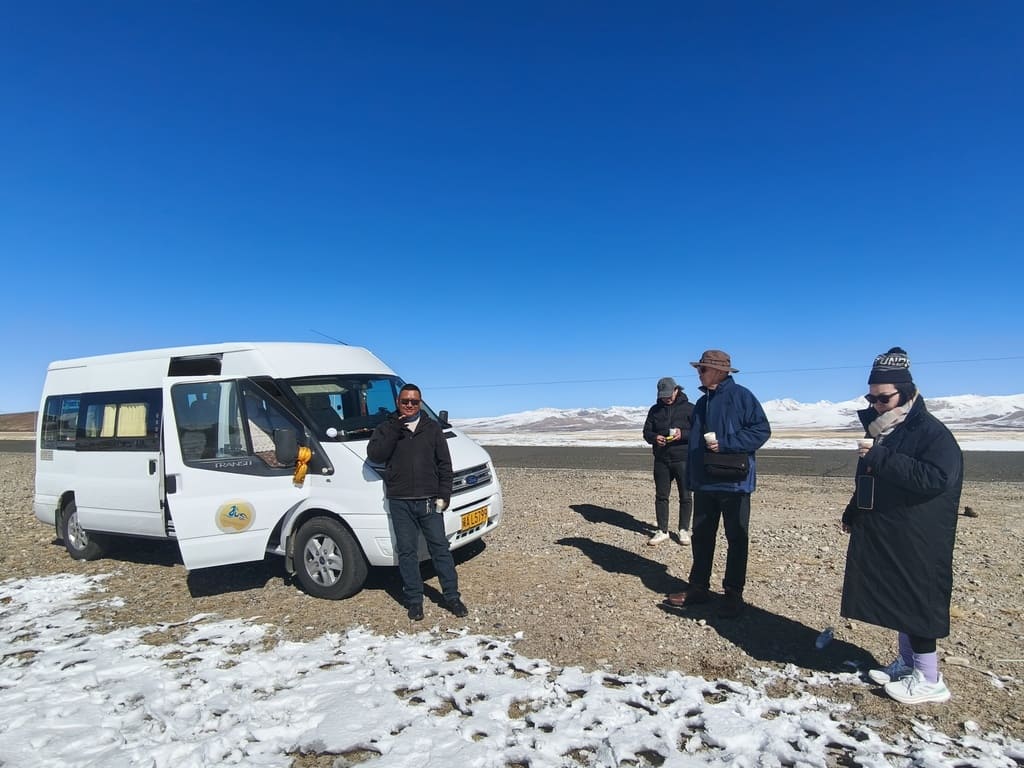
About transportation. During Winter Tours in Tibet, charter prices drop significantly, but it is recommended to choose legally qualified tourism transport enterprises to ensure safety. Chartered flights and special train teams can also enjoy special reward policies, and some travel agencies’ “aviation + tourism” products offer extremely high value for money.
About health and safety. Travelers with heart conditions, severe hypertension, or respiratory illnesses should consult a doctor before planning a winter trip to Tibet. Travel insurance that covers high-altitude activities is strongly recommended. It is also wise to carry a small supply of oxygen canisters, especially if your itinerary includes areas above 4,500 meters.
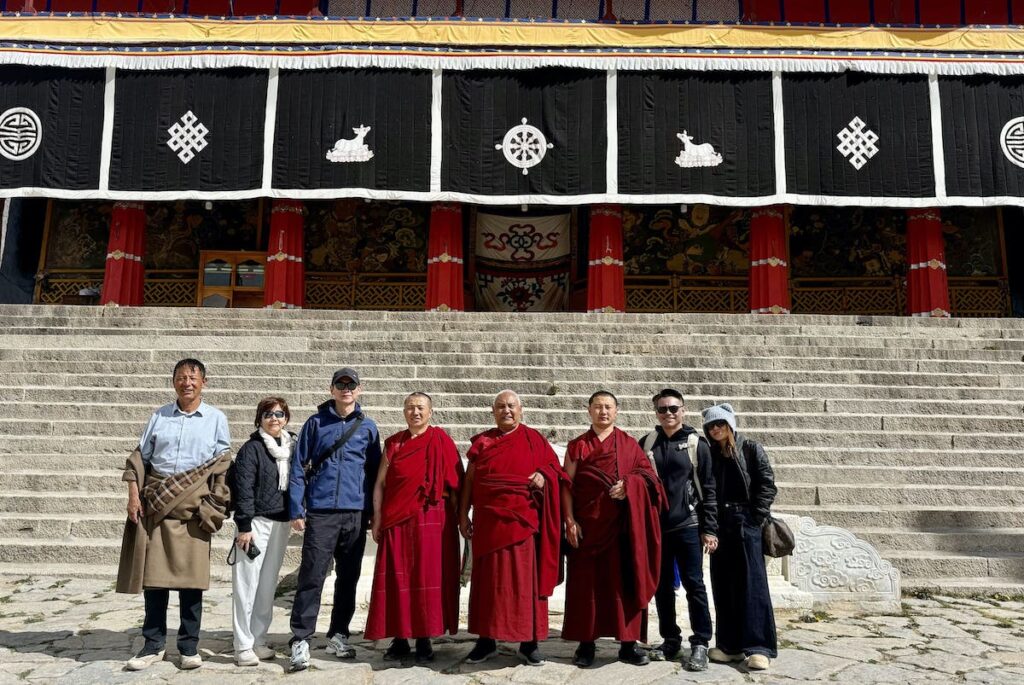
About respect for local culture. Tibet is a region with deep spiritual traditions. When visiting monasteries and sacred sites, dress modestly, remove hats indoors, and avoid pointing your feet toward statues or monks. Always ask before taking photographs of people. A little respect goes a long way, and it is deeply appreciated by local communities.
Conclusion
Tibet’s winter is an underestimated feast. When the tide of tourists recedes, and the noise returns to tranquility, this land reveals its most authentic appearance. Sunlight pours down without reservation, snow-capped mountains openly reveal their true faces, and frozen lakes hide secrets millions of years old. And you only need a plane ticket and a heart willing to break through prejudice.
As a tourist who visited Tibet in winter said, “Soaking in a hot spring while enjoying the snow and looking at the dreamlike blue ice is truly beautiful!” This winter, why not add Tibet to your travel list? In the place closest to the sky, encounter the ultimate romance of blue ice and warm sun. Whether you come for the photography, the solitude, the culture, or simply the bragging rights, winter in Tibet will give you something that no other season can. It will give you the plateau as it truly is—quiet, powerful, and utterly unforgettable.