
Most travelers picture Tibet in summer—green valleys, crowded buses, and the scramble for Potala Palace tickets. Winter flips that image entirely. The plateau quiets down, the skies sharpen to a crystalline blue, and the tourism infrastructure finally breathes. Yet winter Tibet is not simply “summer with cold weather.” It demands a different kind of planning: a sharper eye on altitude, a more careful packing list, and a realistic understanding of what is open, what is frozen, and what will take your breath away in the best and worst senses.
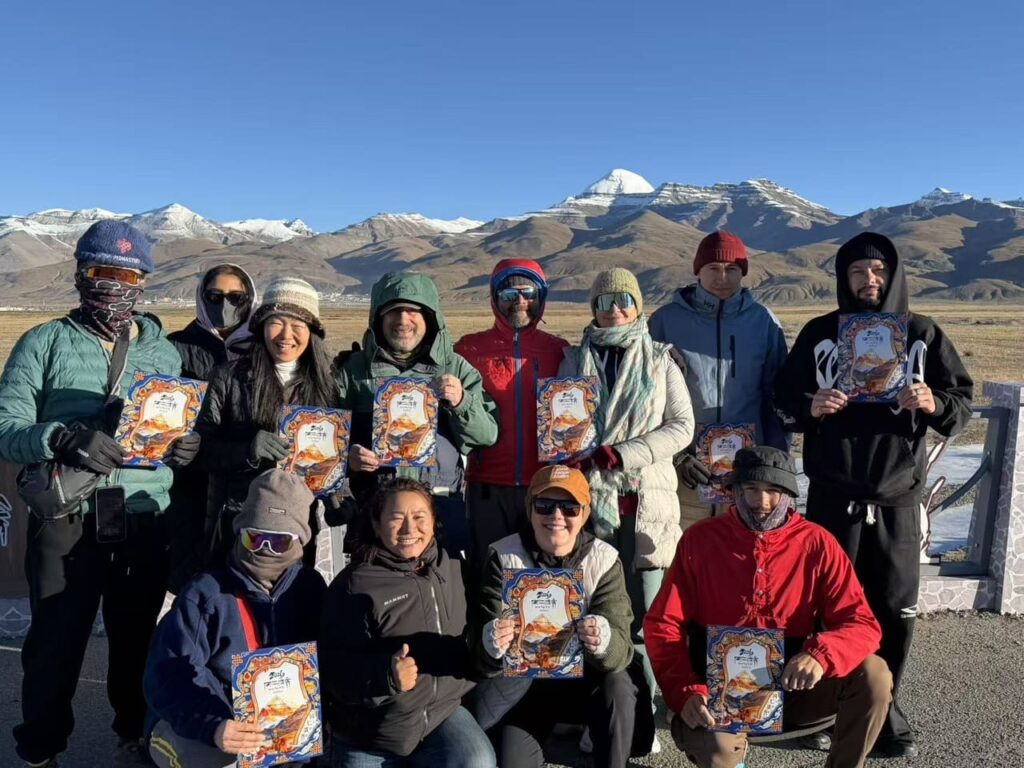
This guide walks through the essential decisions—when to go, how to handle permits, where to acclimatize, what to wear, and which winter-specific experiences justify the cold.
Why Winter Is Tibet’s Quietest Secret
The case for winter starts with practical economics and ends with scenery that summer crowds never see. Winter is Tibet’s low season, which means flight and hotel prices drop noticeably, and the Potala Palace waives its entrance fee entirely. The palace, normally a bottleneck of tour groups, becomes a place you can actually linger.
The weather itself is a surprise to many first-timers. Lhasa in winter sees daytime highs that can reach around 10°C or more when the sun is out, while nights plunge below freezing. The air is dry, the sun fierce, and the snow peaks—including Namcha Barwa, the so-called “Shy Girl Peak”—are far more likely to reveal themselves than in misty summer months. For photographers and travelers who value emptiness over convenience, this is the season.
The trade-off is oxygen. Winter air holds less of it, and altitude sickness tends to hit harder than in summer . This is not a reason to stay home, but it is a reason to plan acclimatization more conservatively than you might in July.
Timing the Trip: Blue Ice, New Year, and the Sun
Winter in Tibet spans roughly December through February, but the experience shifts week by week.
January is the prime window for blue ice. Puma Yumco, the lake that freezes into a sheet of turquoise glass, becomes the season’s signature sight, with locals and their herds sometimes crossing the ice in a scene that feels borrowed from another world. The Tibet Tourism Bureau explicitly recommends local guides for blue-ice viewing and warns against walking on the ice independently. Late January also brings the early stirrings of Losar preparations.
February overlaps with Tibetan New Year (Losar), which falls on February 18 in 2026. This is a double-edged sword. The cultural atmosphere is unmatched—”Guthuk” noodle ceremonies, family rituals, and a city dressed in its festival best. But many restaurants close, and some services slow down. Travelers during Losar should confirm meal options with their hotel in advance and treat the holiday as a cultural immersion rather than a convenience-heavy vacation .
One critical caveat for foreign travelers: Tibet Travel Permits are not processed during the Losar holiday period. In 2026, the suspension runs from February 15 to 26. If you are not a Chinese citizen, this window should be avoided unless your permits are already secured.
The Permit Maze: What Foreign Travelers Must Know
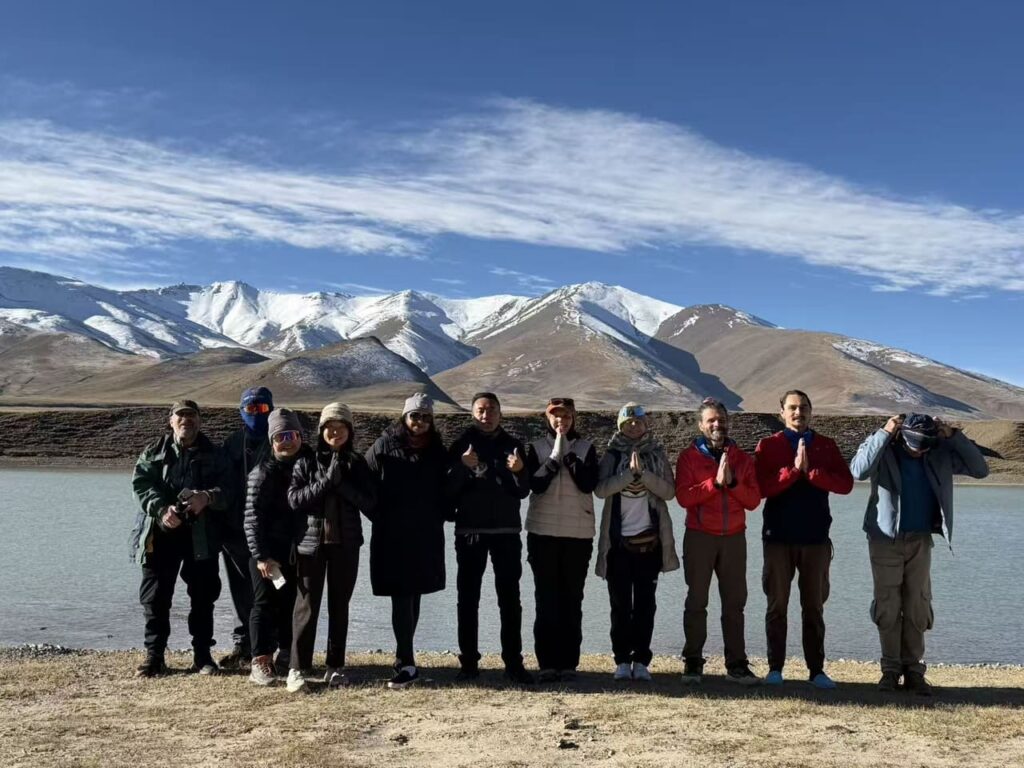
Tibet is not an independent-travel destination for foreign passport holders. Every foreign traveler needs a Tibet Travel Permit, and it can only be obtained through a licensed travel agency—you cannot apply on your own. The agency will ask for a passport scan anda China visa copy, and for visa-free nationals on trips under 15 days, just the passport may suffice .
The process takes roughly 7 to 14 working days, and in peak season it can stretch longer. Apply at least 20 to 30 days before your entry date. Crucially, the original paper permit must be in hand before boarding a flight or train to Tibet; digital copies and photocopies are not accepted. Your agency will courier it to your hotel in mainland China.
There is a second layer for certain destinations. The standard permit covers Lhasa, Yamdrok Lake, and parts of Shigatse and Gyantse. If your winter itinerary includes Everest Base Camp, Ngari, or other border regions, you will need an Alien’s Travel Permit, applied for after you arrive in Lhasa, and potentially a Military Area Entry Permit for sensitive zones. Confirm your exact route with your agency before paying any deposits.
Taiwan residents and foreign nationals both need permits; Hong Kong and Macau residents traveling on Home Return Permits do not. Diplomats and journalists have a separate channel through the Foreign Affairs Office and cannot use a standard tourist agency.
Acclimatization: The Part You Cannot Rush
Lhasa sits at 3,650 meters. Arriving by air puts you at that altitude within hours, and winter’s thinner air makes the first night especially rough. The most common mistake is treating the first day as a sightseeing day.
The consensus among experienced travelers and local guidance is simple: the first day is for rest, water, and nothing else. Do not shower, do not exercise, do not drink alcohol, and do not stay up late. Many travelers find that a portable oxygen canister or an oxygen-equipped hotel room makes the difference between a miserable first night and a manageable one .
Pharmacological preparation is common but not magical. Rhodiola is widely taken starting a week before arrival, though evidence for its efficacy is mixed . Ibuprofen helps with altitude headaches, and glucose or high-sugar snacks can provide quick energy . The most reliable strategy is behavioral: move slowly, hydrate constantly, and monitor how you feel rather than pushing through.
If you have pre-existing heart or lung conditions, or if you catch a cold before departure, postpone the trip. Traveling to high altitude with a respiratory infection is genuinely risky. For families with young children, many guides suggest waiting until children are at least five years old and consulting a doctor beforehand.
Where to Go: Winter Routes That Work
Winter Tibet rewards a slower, more focused itinerary. Trying to cover Lhasa, Shigatse, Everest, and Ngari in ten days is unwise in any season and foolish in winter.
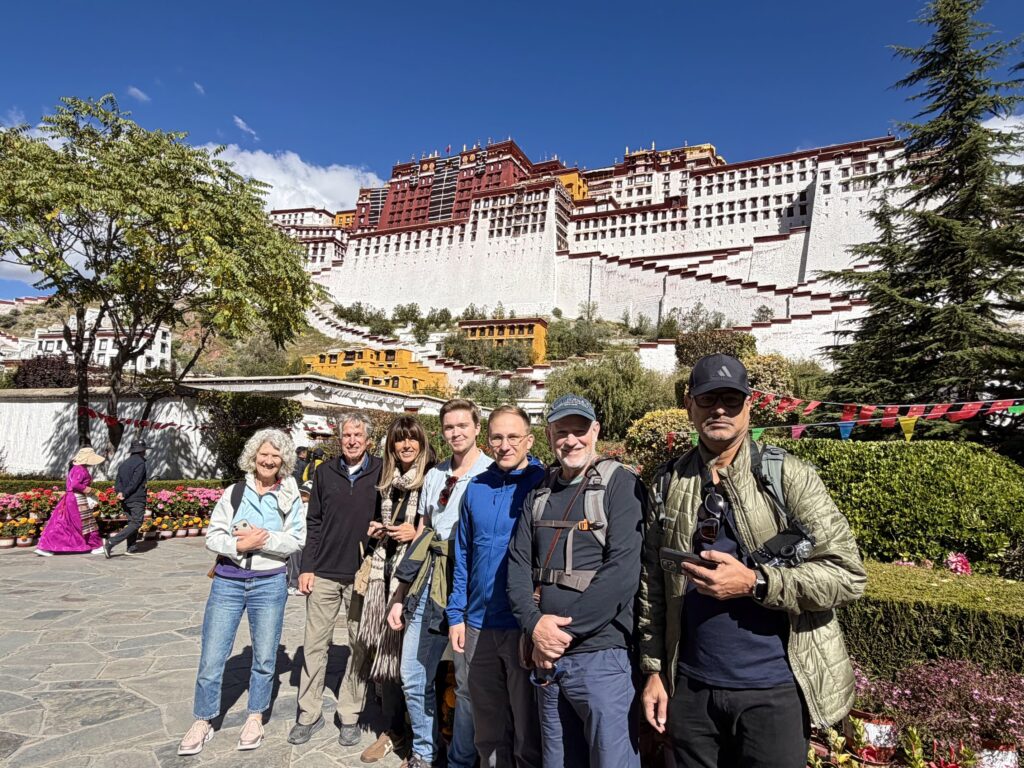
The Lhasa base is the natural starting point. The Potala Palace (free in winter), Jokhang Temple, and Barkhor Street form the cultural core, but give yourself two or three days to move through them without rushing. The Tibet Museum, free with ID and closed Mondays, offers context that makes the rest of the trip richer.
Tso-Khang Lake makes an excellent day trip from Lhasa. In winter, parts of the lake freeze while others remain liquid turquoise, creating a contrast that summer visitors never see. The drive there and back keeps your overnight altitude stable, which matters for acclimatization.
For blue ice seekers, the Puma Yumco area is the headline destination, but it requires a guided arrangement and should not be attempted independently . Further east, the Nyingchi region—with Laigu Glacier and Yarlung Glacier—offers blue ice caves and frozen walls, though access in winter can be weather-dependent and involves long drives . Nyingchi itself sits at a lower altitude (around 2,900 meters), making it a sensible first stop for travelers flying into the region before moving to Lhasa.
Namcha Barwa is another winter advantage. The peak is notoriously cloud-shrouded, but winter’s dry, clear air gives the best odds of seeing it from the Suosong Village area. This is a Nyingchi-side experience and pairs naturally with a lower-altitude start.
What about Everest Base Camp? It is accessible in winter but brutally cold, with limited accommodation and facilities. Unless you are specifically chasing the Everest winter experience, the southern and eastern routes offer more comfort for the same sense of awe.
What to Pack: Layers, Sun, and Traction
Winter Tibet packing is a study in contradictions. The sun can feel genuinely warm at midday, then the temperature plummets the moment it drops behind a ridge.
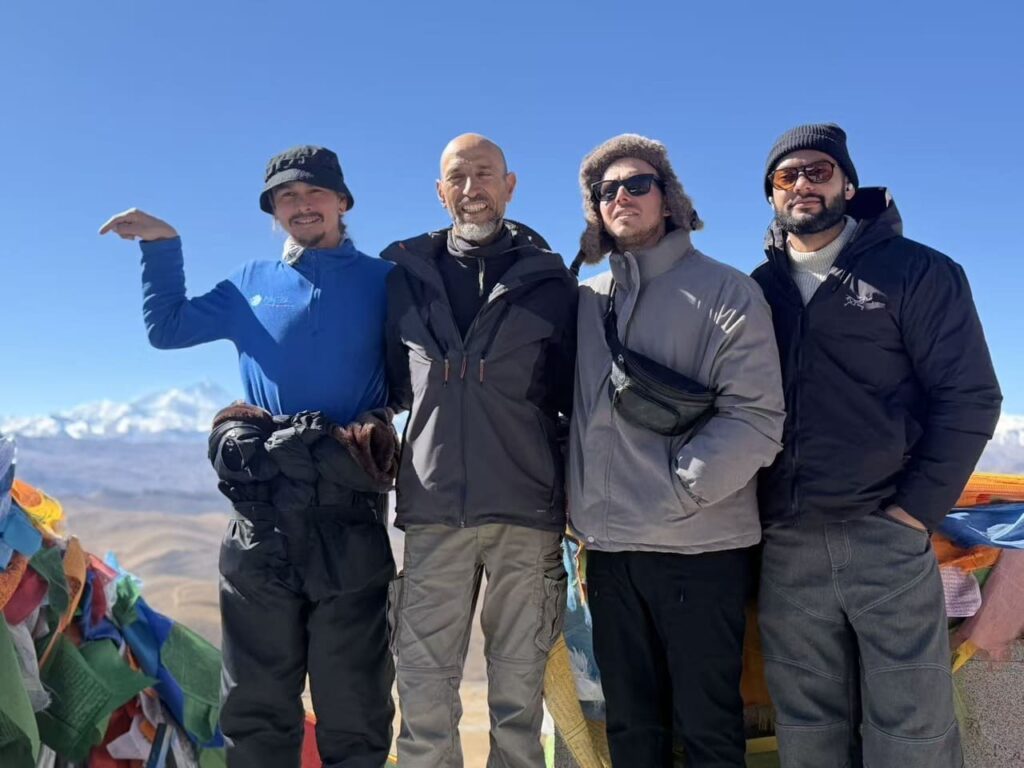
The core principle is layering. A thick down jacket or insulated coat is non-negotiable, paired with fleece or thermal mid-layers and moisture-wicking base layers. A windproof outer shell matters more than raw thickness because the wind is what cuts through. For lower-body warmth, thermal underwear or lined trousers are standard, with sturdy, preferably waterproof, shoes . If you plan to walk on frozen lakes or snowy trails, add traction devices or at least shoes with aggressive tread—the tourism bureau specifically recommends slip-resistant footwear for winter .
Sunn protection is not optional. Tibet’s ultraviolet intensity can be three to five times that of lowland cities, and snow and ice reflect it upward. SPF 50+ sunscreen, wraparound sunglasses, a wide-brimmed hat or hood, and lip balm are essentials, not accessories. The dry air will crack lips and skin within days without them.
A thermos or insulated water bottle is worth its weight. Cold, dry air dehydrates you faster than you notice, and warm water is easier to drink in freezing temperatures. High-energy snacks—chocolate, nuts, dried fruit—help maintain energy between meals, especially on long drives.
Finally, bring a small oxygen canister if your itinerary includes higher passes or if you are sensitive to altitude. Hotels in Lhasa and Nyingchi increasingly offer oxygen-enriched rooms, but having a personal backup for the road is prudent
Practical Warnings and Cultural Notes
A few things bear repeating because they catch travelers off guard.
Do not walk on frozen lakes without a local guide. The tourism bureau’s own guidance is explicit on this point .Ice thickness varies, and what looks solid from shore can be deceptive. If blue-ice photography is your goal, hire someone who knows the specific conditions.
Losar etiquette matters. If you are in Tibet during the New Year period, you will encounter rituals that are not for performance. When photographing festivals or ceremonies, ask first. If invited into a home for Guthuk, eat the dough balls with good humor—and if you find a symbolic object inside, the tradition is to accept the fortune it represents. Many restaurants close during Losar, so plan meals around your hotel’s availability.
Respect temple conventions. Remove hats when entering shrines, walk clockwise around monasteries and mani walls, and do not point at statues or thangkas. These are not arbitrary rules but living practice, and winter’s quieter crowds make it easier to observe them without feeling rushed.
Travel insurance should cover high-altitude evacuation. This is not a destination where you want to discover your policy’s exclusions the hard way. Confirm that your coverage includes emergency evacuation from altitudes above 3,500 meters.
A Sample Winter Framework
For a first winter trip with acclimatization prioritized, a ten-day framework might look like this: two nights in Lhasa for rest and the Potala Palace, then a day trip to Yamdrok Lake, then two or three nights in the Nyingchi area for lower-altitude walking and, if conditions allow, glacier access, returning to Lhasa for a final day before departure. Travelers focused on blue ice might substitute the Puma Yumco guided excursion for the Nyingchi leg.
The exact route matters less than the rhythm. Winter Tibet is not a checklist destination. It is a place where the light is sharper, the air is thinner, and the silence is deeper. Plan for the cold, respect the altitude, and let the emptiness be the luxury you came for.
Final Thought
Winter strips Tibet of its tour-bus veneer and reveals something closer to what travelers imagine when they dream of the plateau: a vast, sunlit, wind-scoured landscape where the mountains stand unobscured a, nd the temples are yours to sit with. It also demands more from you—more rest, more preparation, more patience with your own body. That exchange is the heart of a winter trip. Go slowly, pack well, and let the season do the rest.