
There are places in the world that leave an imprint on the soul, and Tibet—the “Roof of the World”—is undeniably one of them. This is not merely a destination; it is a state of being. A journey through Tibet is an invitation to step into a world where the air is thin, the sky is a piercing blue, and faith is etched into the very landscape. A 10-day cultural and spiritual tour offers the perfect amount of time to not only see the highlights but to begin to understand the deep spiritual heartbeat of this ancient land.
From the bustling, sacred streets of Lhasa to the stark, overwhelming beauty of Everest Base Camp, this itinerary is a deep dive into a culture that has thrived on Earth’s highest plateau for millennia. It is a journey that challenges the body with altitude and rewards the spirit with breathtaking views, profound silences, and encounters with a faith as towering as the Himalayas themselves.
Part I: The Sacred Heart – Lhasa (Days 1-3)
Day 1: Arrival in Lhasa – The City of Sunlight
Your journey begins the moment you land at Lhasa Gonggar Airport or step off the Qinghai-Tibet Railway. The air is noticeably thinner, a gentle reminder that you are now at an altitude of approximately 3,650 meters. For the first day, the most important activity is rest and acclimatization. Your Tibetan guide will greet you with a traditional white scarf (khata), a gesture of welcome and good fortune. The itinerary is intentionally kept free to allow your body to adjust to the high altitude. It’s crucial to take it slow, drink plenty of water, and avoid strenuous activity
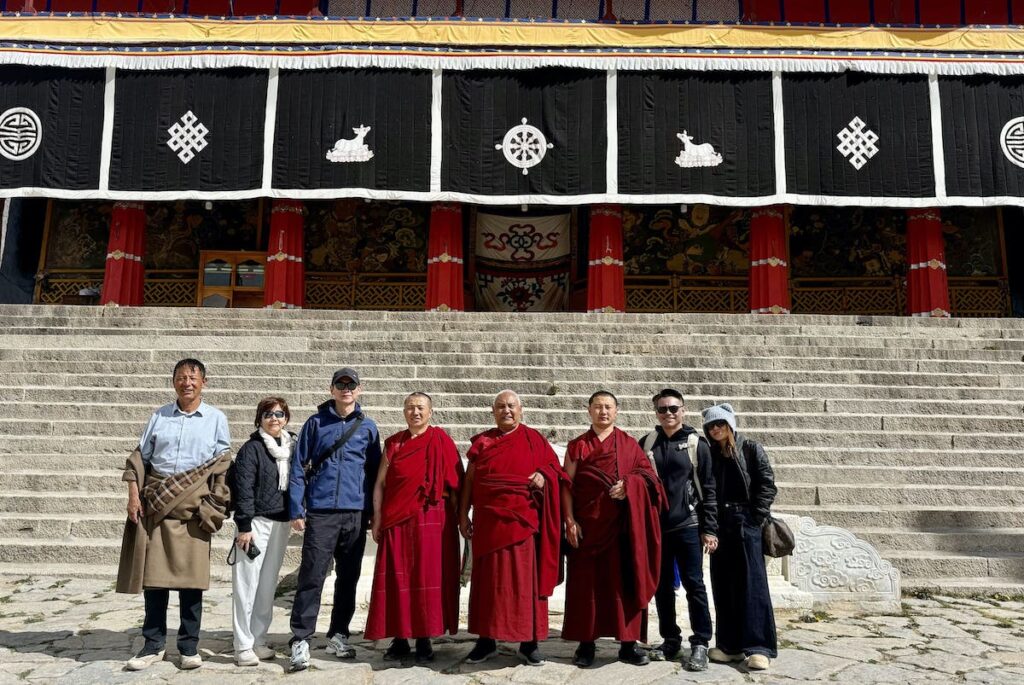
Day 2: The Monastic Heart – Drepung and Sera Monasteries
With your body adjusting to the altitude, the spiritual exploration begins. Your first full day in Lhasa is dedicated to visiting two of the “Great Three” Gelugpa monasteries of Tibet.
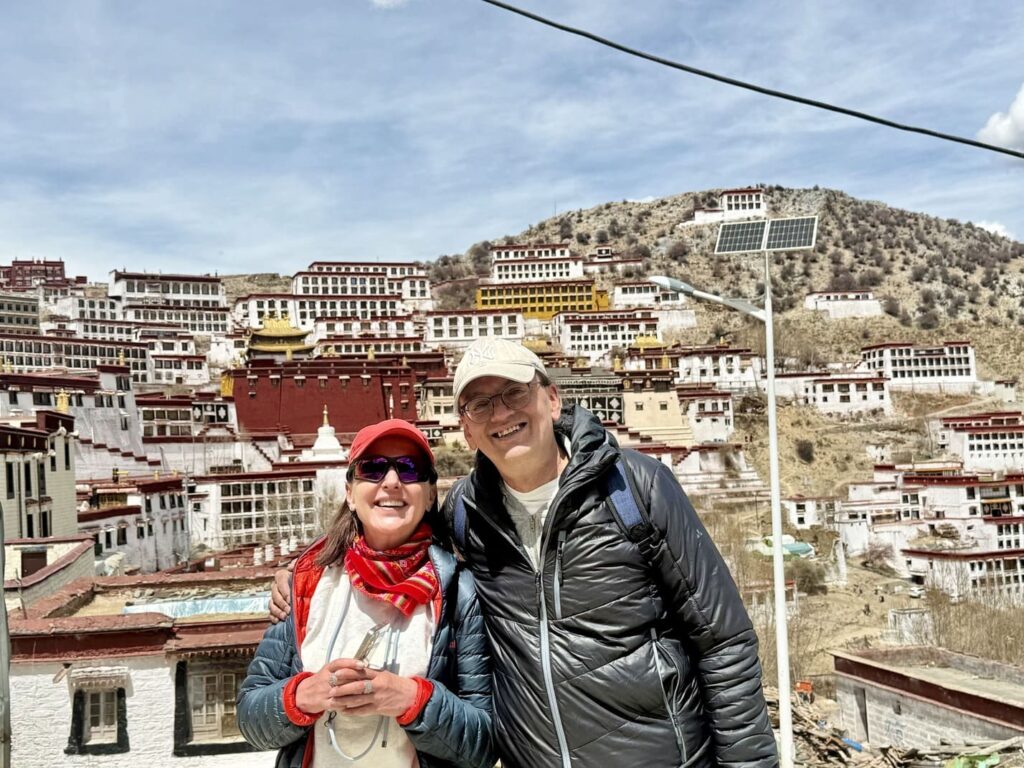
Drepung Monastery was once the largest monastery in the world, housing over 10,000 monks. Its sprawling white buildings are nestled at the foot of Mount Gephel, and you can explore its ancient assembly halls and chapels, feeling the weight of centuries of Buddhist scholarship.
In the afternoon, you’ll head to Sera Monastery, one of Tibet’s most important religious institutions, famous for its lively and animated monk debates. This is not a lecture but a dynamic, physical exchange of Buddhist philosophy, in which monks use hand clapping and expressive gestures to drive home a point. The powerful energy of these debates is a unique and unforgettable cultural experience.
Day 3: The Pinnacle of Tibetan Faith – Potala Palace and Jokhang Temple
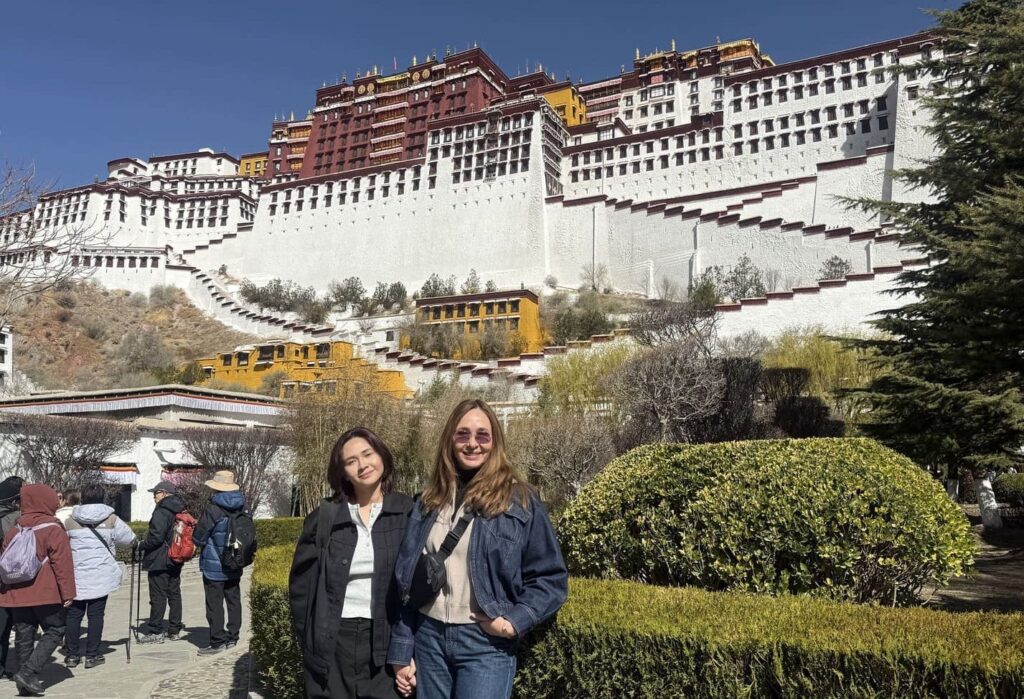
This is the day you come face-to-face with Tibet’s most iconic landmarks. Your day begins at the Potala Palace, the former winter residence of the Dalai Lama. This architectural marvel, towering over the city, is a UNESCO World Heritage site and a symbol of Tibetan Buddhism . Its 13 stories are filled with sacred chapels, tombs of past Dalai Lamas, and priceless artifacts, offering a glimpse into the political and spiritual history of Tibet .
In the afternoon, you’ll visit the Jokhang Temple, the most sacred and revered temple in all of Tibet . It has a life-size statue of the 12-year-old Buddha Shakyamuni, the ultimate object of pilgrimage for devout Buddhists. The temple’s atmosphere is thick with the scent of yak butter lamps and the murmur of prayers.
Outside the Jokhang Temple lies Barkhor Street, a bustling pilgrimage circuit that circles the temple. Here, you will see pilgrims performing full-body prostrations and locals spinning prayer wheels, their devotion on full display. Walking the Barkhor is a powerful way to immerse yourself in the living faith of Lhasa
Part II: The Road to Everest – Scenery and Sanctity (Days 4-7)
Day 4: A Sapphire in the Mountains – Yamdrok Lake and Karola Glacier
Leaving Lhasa, you head west towards Shigatse, the second-largest city in Tibet. This is where the journey’s visual feast truly begins. The drive is an adventure in itself, taking you over the Kamba La Pass, where you’ll be rewarded with your first breathtaking bird’s-eye view of Yamdrok Lake .
This is one of Tibet’s three sacred lakes, and its color is otherworldly—a stunning turquoise blue that shifts with the light against the backdrop of the Nyinchen Khangsar mountain range. Continuing your journey, you’ll pass the Karola Glacier, a magnificent, colossal tongue of ice that descends dramatically, almost within arm’s reach of the road. Its sheer size and proximity are awe-inspiring. After a visit to the historic Pelkor Chode Monastery in Gyantse, you will arrive in Shigatse for the night .
Day 5: The Seat of the Panchen Lama – Shigatse
Spend this day in Shigatse to continue your acclimatization and visit its crown jewel: the Tashilhunpo Monastery. As the traditional seat of the Panchen Lama, it is one of the most important monasteries in Tibet. Founded in 1447, its golden roofs and grand chapels dominate the city’s skyline . Inside, you will find the massive Maitreya Chapel, which houses a 26-26-meter-tallatue of the Future Buddha, an image so grand it is humbling. This is also a critical day for rest, as you prepare for the high-altitude challenges to come.
Day 6: The Roof of the World – Everest Base Camp
This is the day you’ve been waiting for. You’ll depart Shigatse early, traveling through the Qomolangma National Nature Reserve. The landscape becomes increasingly barren and dramatic as you cross the Gawu La Pass. At 5,198 meters, this viewpoint is one of the most spectacular places on the planet. On a clear day, you are treated to an unparalleled panoramic view of five of the world’s tallest 8,000-meter peaks, including Makalu, Lhotse, and the crown jewel, Mount Everest.
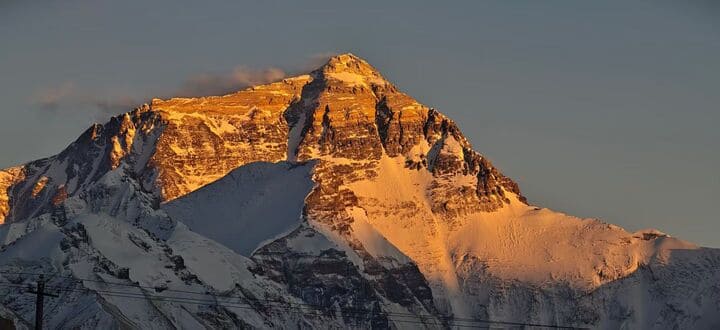
Arriving at Everest Base Camp (5,200 meters), you have achieved a monumental goal. Here, you stand face-to-face with the north face of the world’s highest mountain. The sense of achievement and insignificance is profound. As the sun begins to set, you will witness the phenomenon known as the “Golden Mountain,” where the sun’s last rays ignite the summit of Everest in a blaze of gold, a truly unforgettable moment that is the spiritual and photographic climax of the trip
Day 7: The World’s Highest Monastery – Rongbuk
After a night in the shadow of the world’s highest peak, you’ll visit Rongbuk Monastery . Perched at 5,154 meters, it is the highest monastery in the world. The sight of this sacred structure, with its fluttering prayer flags against the stark backdrop of Everest, is deeply moving. It represents the resilience of faith in the most extreme conditions.
Part III: The Return Journey – Reflection and Farewell (Days 8-10)
Day 8: The Journey Through the Valley
The return journey to Lhasa is not just a reversal of the route but a chance to reflect on the profound experiences of the past days. The landscape of the Yarlung Tsangpo River Valley provides a final opportunity to appreciate the vast, untamed beauty of Tibet. You’ll travel back to Shigatse for the night, giving yourself a chance to rest and process the memories.
Day 9: The Path Back to Lhasa
Continue the scenic drive back to Lhasa, arriving in the city with a sense of completion. The rest of the day is yours for leisure. You can return to Tarkhor Street for some last-minute souvenir shopping—perhaps a thangka, a singing bowl, or some traditional Tibetan incense. In the evening, a farewell dinner with your fellow travelers is a wonderful way to share stories and reflect on the shared journey.
Day 10: Departure from Lhasa
Your 10-day spiritual and cultural odyssey concludes. After breakfast, you will be transferred to the airport or train station for your onward journey, carrying with you memories that will last a lifetime and a piece of the peace found only on the roof of the world.
Practical Tips and Essential Information
Altitude Acclimatization
This is the single most important factor for a successful trip. Take the first few days in Lhasa very easy. Walk slowly, stay hydrated, and avoid alcohol and strenuous exercise. The rule of thumb is to let your body set the pace. Using portable oxygen cylinders is recommended, especially during the first few days
Permits and Documentation
Traveling to Tibet requires special permits. A standard Tibet Travel Permit is a must for all international tourists. If you are traveling to areas near the border like Everest Base Camp, you will also need a Border Defense Permit, which your tour operator will typically arrange for you.
What to Pack for a Tibet Tour
- Layered Clothing: The weather can be unpredictable, with warm days and freezing nights, especially at higher altitudes. Bring thermal underwear, fleeces, and a warm, windproof jacket.
- Sun Protection: The sun is incredibly strong on the plateau. High SPF sunscreen, sunglasses with UV protection, and a wide-brimmed hat are essential.
- Sturdy Footwear: Comfortable, broken-in hiking boots are a must for walking in monasteries and exploring the rugged terrain.
- Lip Balm and Moisturizer: The dry Himalayan air can be harsh on the skin.
Respecting Local Culture
Tibet is a deeply religious society. When visiting monasteries, dress modestly, walk clockwise around temples and stupas, and always ask for permission before taking photos of monks or locals. Removing your hat and sunglasses inside monasteries is a sign of respect. Do not point your finger at religious statues or people; instead, use an open hand.
Conclusion: More Than a Trip, A Pilgrimage
A 10-day Tibet tour is more than just a vacation; it is a spiritual and cultural immersion. It is a journey that challenges your physical limits and rewards you with an understanding of a unique and profound culture. From the reverent atmosphere of the Jokhang Temple to the breathtaking views of Everest, this trip offers a powerful mix of spiritual discovery, cultural insight, and natural wonder. It is an experience that will transform you, leaving you with a piece of the peace and majesty of Tibet in your heart.