
Discover why small group cultural tours in Tibet are trending in 2026. From expert local guides and permit assistance to authentic homestay experiences and festival access, learn how to experience Tibet beyond the tourist trail with groups of 6-10 travelers.
Introduction: A New Way to Experience the Roof of the World
Tibet has always held a special place in the imagination of travelers—a land of soaring Himalayan peaks, ancient monasteries, and a spiritual heritage that feels untouched by time. But for years, visiting Tibet meant one of two extremes: either joining a large, impersonal bus tour where you barely connected with the culture, or attempting a complicated independent trip bogged down by permit logistics and language barriers.
That’s changing.
In 2026, small group cultural tours have emerged as the top trending way to experience Tibet. Travelers are increasingly rejecting the “if it’s Tuesday, this must be a monastery” approach in favor of slower, deeper, more meaningful journeys. The shift is clear: people no longer just want to see Tibet—they want to experience it.
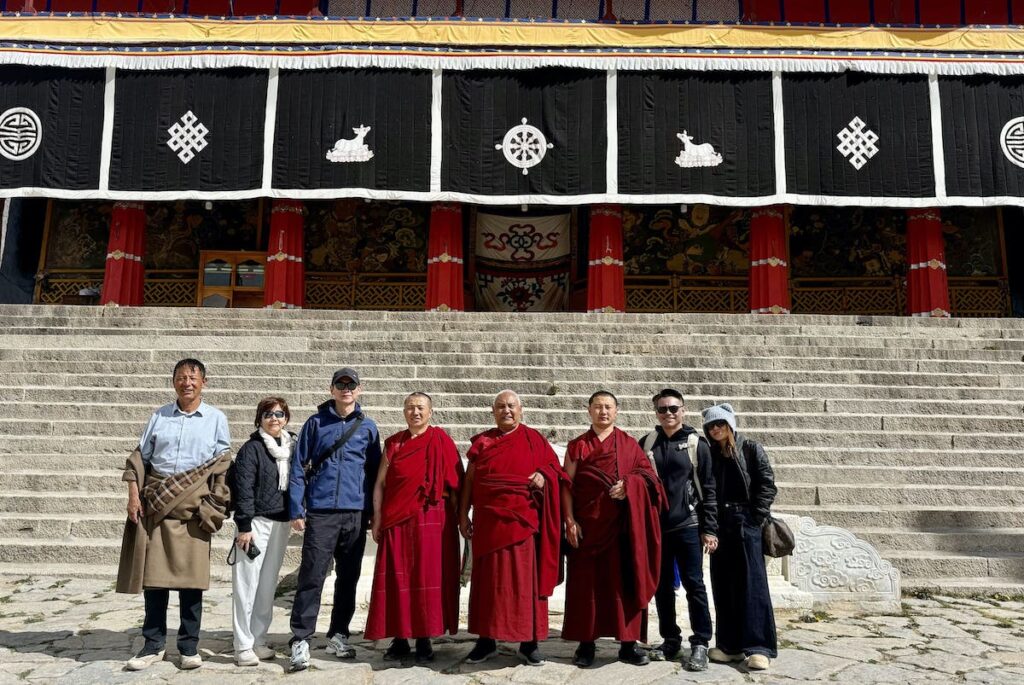
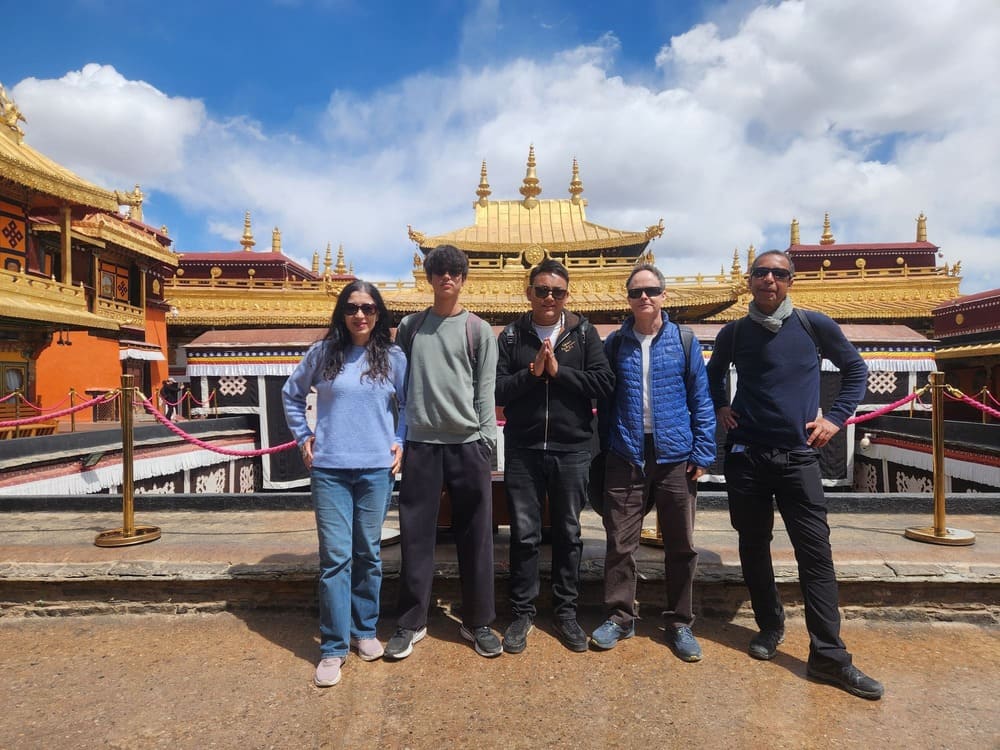
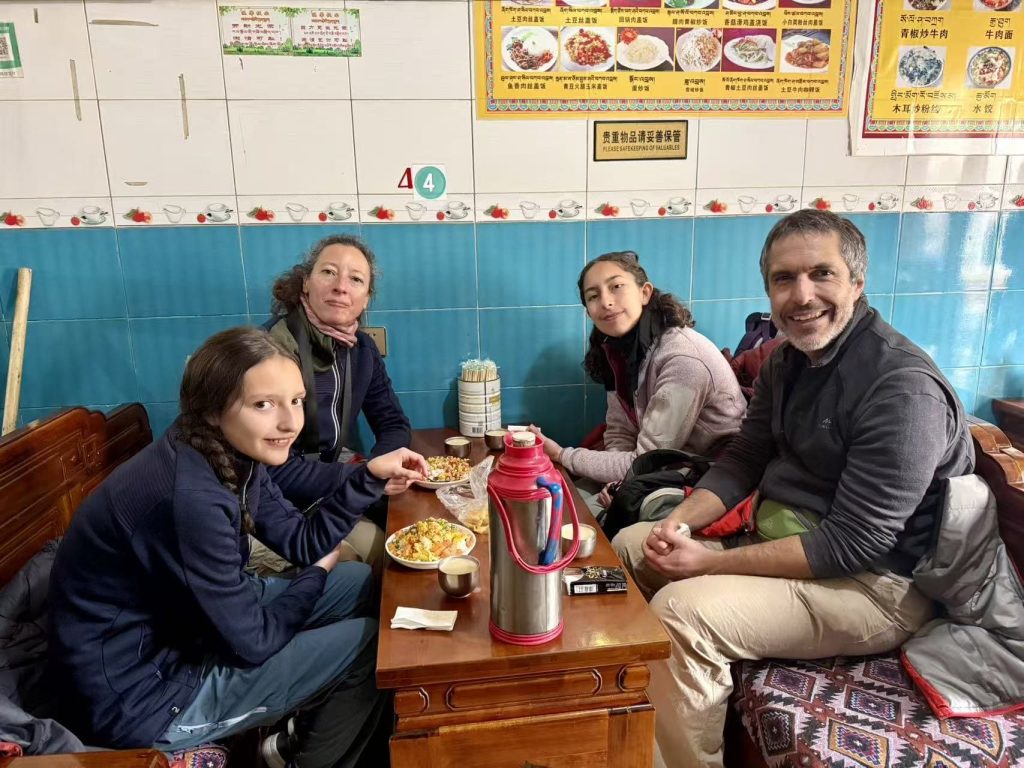
Whether you’re standing before the Potala Palace, sharing butter tea with a nomadic family, or walking the kora (pilgrimage path) around Jokhang Temple, the difference between a large tour and a small group is the difference between observation and immersion.
This comprehensive guide will explain why small group tours have become the gold standard for Tibet travel, what you can expect, and how to choose the right tour for your 2026 adventure.
Why Small Group Cultural Tours Are Trending in 2026
Several factors have converged to make small group tours the preferred choice for discerning travelers heading to Tibet.
The Shift from “Destination-Driven” to “Experience-Driven” Travel
According to recent travel trend reports, a major shift is underway: decisions are no longer just “destination-driven” but “activity-driven.” Travelers today prioritize participation, emotion, and unique experiences over simply checking off landmarks. A small group tour aligns perfectly with this mindset—you’re not just visiting Drepung Monastery; you’re there during the Shoton Festival, watching a giant thangka (religious scroll painting) unfurl as monks chant and pilgrims gather.
The Rise of “Slow Travel” at High Altitude
High-altitude destinations demand a different pace. The best small group itineraries are designed with altitude acclimatization in mind—slow, intentional, and thoughtful. This “slow travel” approach has become the standard for quality Tibet tours, allowing your body to adjust while your mind absorbs the richness of Tibetan culture.
Authentic Connection Over Superficial Sightseeing
A Tibet cultural immersion tour means getting involved with Tibetan culture—comprehending cultural connotations, interacting with locals, and learning about daily life. In an ordinary tour, you play the role of an observer. In a small group cultural tour, you become a participant.
Post-Pandemic Travel Preferences
Travelers have emerged from recent years with a renewed appreciation for meaningful experiences. They want smaller groups, more space, and deeper connections—not crowded buses and rushed itineraries. The industry has responded: tours now cap groups at 6-10 travelers, with new vehicles (2025 models) and upgraded accommodations.
What Makes a “Cultural Immersion” Tour Different?
Before diving into specific tours and itineraries, it’s worth understanding what sets a cultural immersion tour apart from a standard sightseeing tour.
You’re a Participant, Not Just a Tourist
On a cultural immersion tour, you don’t just look—you do. You might find yourself:
- Participating in a thangka painting workshop, learning how Tibetan art combines faith and practice through colors and brushstrokes
- Sharing a farmhouse lunch with a rural family by Yamdrok Lake
- Walking the Barkhor Street kora alongside Tibetan pilgrims, spinning prayer wheels as you go
- Learning to make momos (dumplings) or tsampa (roasted barley flour) in a local kitchen
You Go Beyond the “Greatest Hits”
Yes, you’ll see the Potala Palace and Jokhang Temple—these are essential. But small group tours also venture to off-the-beaten-path locations where mass tourism doesn’t reach. Think remote villages, nomadic encampments on the Changtang plateau, and lesser-known monasteries where you might be the only foreign visitors.
You Learn the Stories Behind the Stones
A knowledgeable Tibetan guide makes all the difference. The best guides don’t just recite dates and facts—they share personal stories, explain the symbolism behind monastery murals, and help you understand why Tibetans prostrate themselves around Jokhang Temple. Traveler reviews consistently praise guides for bringing Tibetan history and Buddhism to life.
“Our guide was always patient, attentive, and approachable. We were impressed by his ability to engage everyone and make the history come alive.” — Ellen C., April 2025 traveler
You Get Permit Assistance Without the Headache
One of the biggest barriers to independent Tibet travel is the permit process. Foreign travelers need a Tibet Travel Permit (and sometimes military permits for certain areas), which can only be arranged through registered travel agencies. Small group tours include permit processing as part of the package—saving you weeks of confusion and bureaucracy.
Top Small Group Cultural Tour Options for 2026
Based on current offerings and traveler demand, here are the standout small group cultural tours available in 2026.
1. 6-Day Lhasa and Shigatse Cultural Immersion Tour
Group Size: 2-12 travelers (typically 6-8)
Best For: First-time visitors wanting the essential Tibet experience
This tour hits all the highlights while maintaining a cultural focus. Over six days, you’ll explore:
- Lhasa’s monastic heart: Drepung Monastery (once home to 10,000 monks) and Sera Monastery, famous for its afternoon debating sessions where monks use logic and dramatic hand gestures to explore Buddhist philosophy
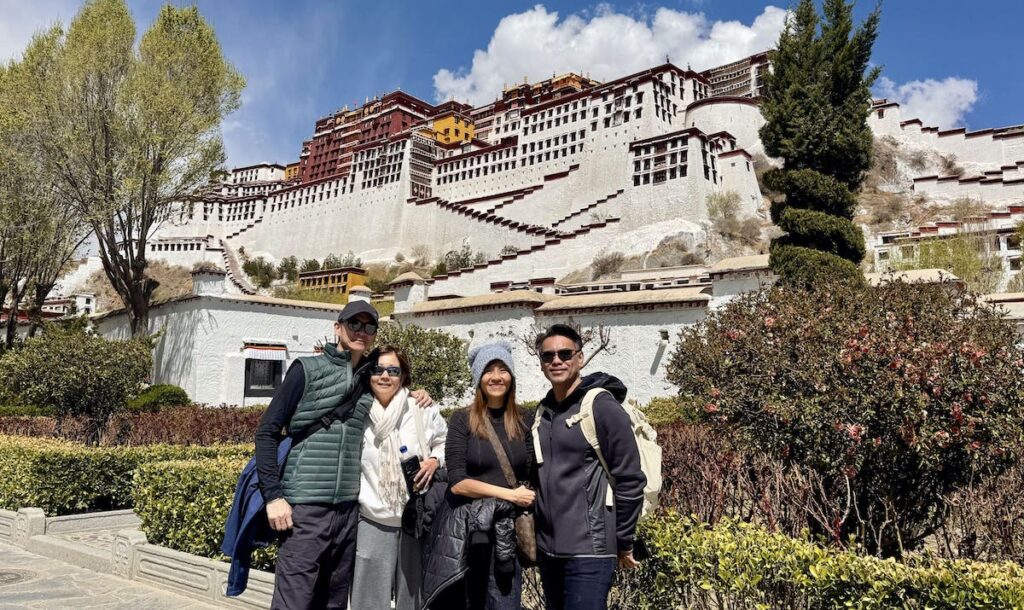
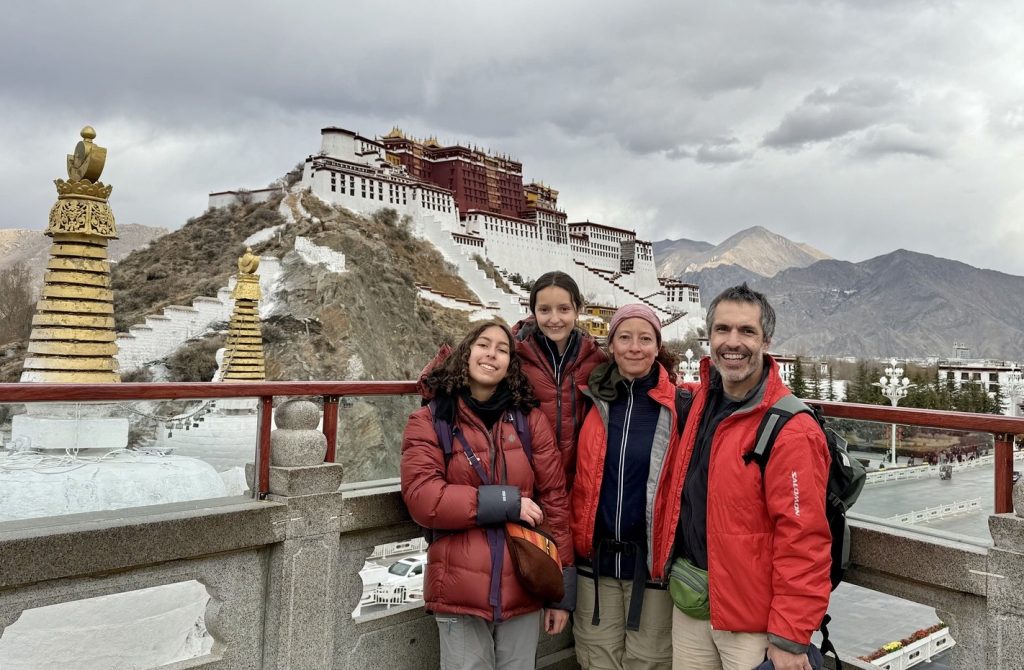
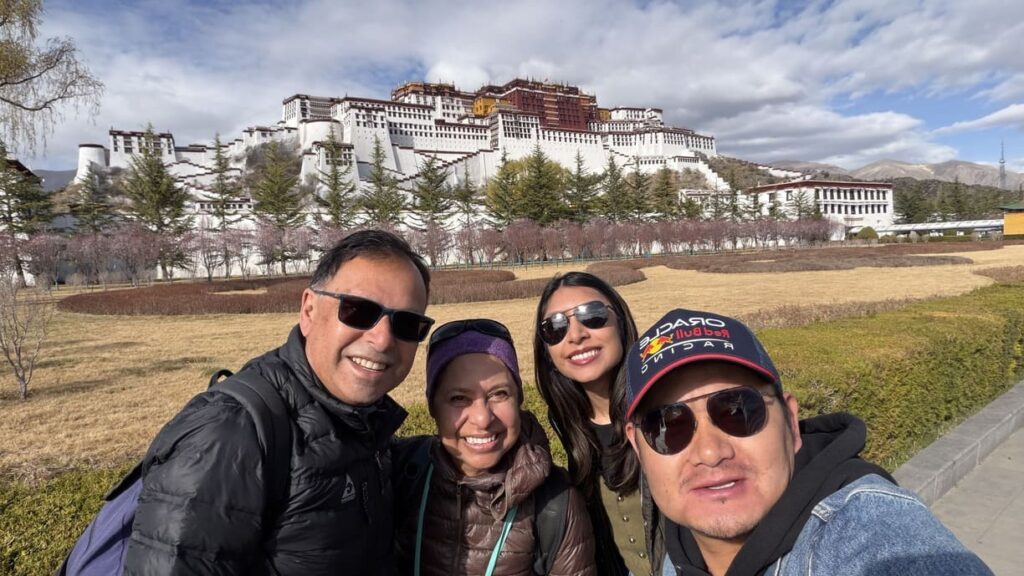
- The Potala Palace: The winter palace of the Dalai Lamas and Tibet’s most iconic landmark
- Jokhang Temple and Barkhor Street: Tibet’s spiritual epicenter, where pilgrims from across the plateau come to prostrate and pray
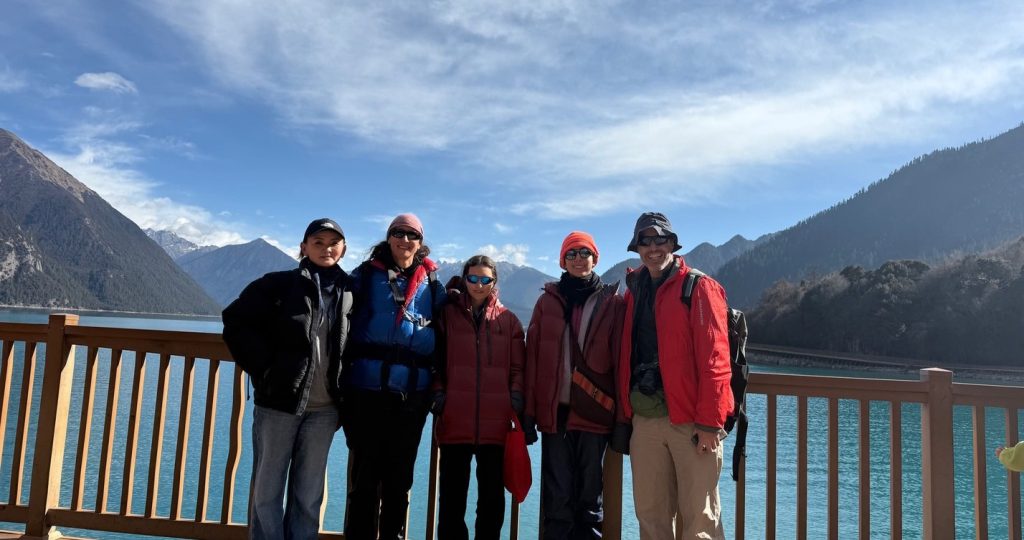
- Yamdrok Lake: One of Tibet’s three sacred lakes, with impossibly turquoise waters set against desert mountains
- Tashilhunpo Monastery in Shigatse: The seat of the Panchen Lama and a working monastery with a giant Maitreya Buddha statue
The included Tibet Travel Permit service alone makes this a hassle-free choice for first-timers.
2. 9-Day Tibet Shoton Festival Tour (Small Group, Max 6)
Group Size: Maximum 6 travelers
Departure: August 2026
Best For: Festival lovers and those seeking once-in-a-lifetime experiences
The Shoton Festival (also called the Yogurt Festival) is one of Tibet’s most important annual celebrations. The highlight? The unfurling of giant thangkas on the slopes of Drepung and Sera Monasteries at dawn—a deeply moving spectacle that draws pilgrims from across Tibet.
This 9-day tour is designed specifically for the festival, with:
- Early morning access to the Buddha display ceremonies
- Tibetan opera performances
- A thangka painting workshop
- Potala Palace with afternoon tea
- Extension to Everest Base Camp for those wanting to push further
Important note: The Shoton Festival tour involves early starts (think 3-4 AM), long queues, and significant walking at altitude. It’s physically demanding but spiritually rewarding.
3. 9-Day Butter Lamp Festival Journey (Hilton Upgrade, Max 10)
Group Size: Maximum 10 travelers
Departure: November 29, 2026
Best For: Travelers wanting comfort during the winter festival season
The Butter Lamp Festival (Ganden Ngamchoe) illuminates Lhasa each winter. This unique journey starts in Xining at Ta’er Monastery (birthplace of Tsongkhapa, founder of the Gelug school of Tibetan Buddhism) before taking the Qinghai-Tibet Railway to Lhasa—one of the world’s most spectacular train journeys.
What sets this tour apart:
- Hilton accommodations throughout (a rarity in Tibet)
- Maximum group size of 10 with VIP touring vehicles
- No shopping stops—a compensation policy if violated
- Includes all permits, entrance fees, and sightseeing shuttle buses
- Small groups use VIP vehicles or premium coaches (2025 models)
4. Cultural Homestays & Local Life Tours
Group Size: 2-6 travelers (intimate)
Best For: Deep immersion seekers willing to trade luxury for authenticity
For the truly adventurous, homestay-based tours offer the deepest cultural immersion. Options include:
- Rural Village Homestays: Live with a Tibetan family, participate in daily chores, share meals, and learn about agricultural traditions
- Nomadic Family Stays: Stay in a traditional yak-hair tent on the Changtang plateau, help herd yaks, and experience one of the world’s last great nomadic cultures
- Artisan Workshops: Half or full-day sessions learning thangka painting, wood carving, or traditional medicine preparation
- Culinary Experiences: Cook traditional dishes with local families
Expectation setting: Accommodation is simple and authentic—not luxurious. You’re staying in someone’s home or a traditional tent. The reward is unparalleled cultural access and genuine human connection.
5. 15-Day Mount Kailash Pilgrimage Small Group Tour
Group Size: Small group (exact size varies)
Best For: Religious pilgrims and serious trekkers
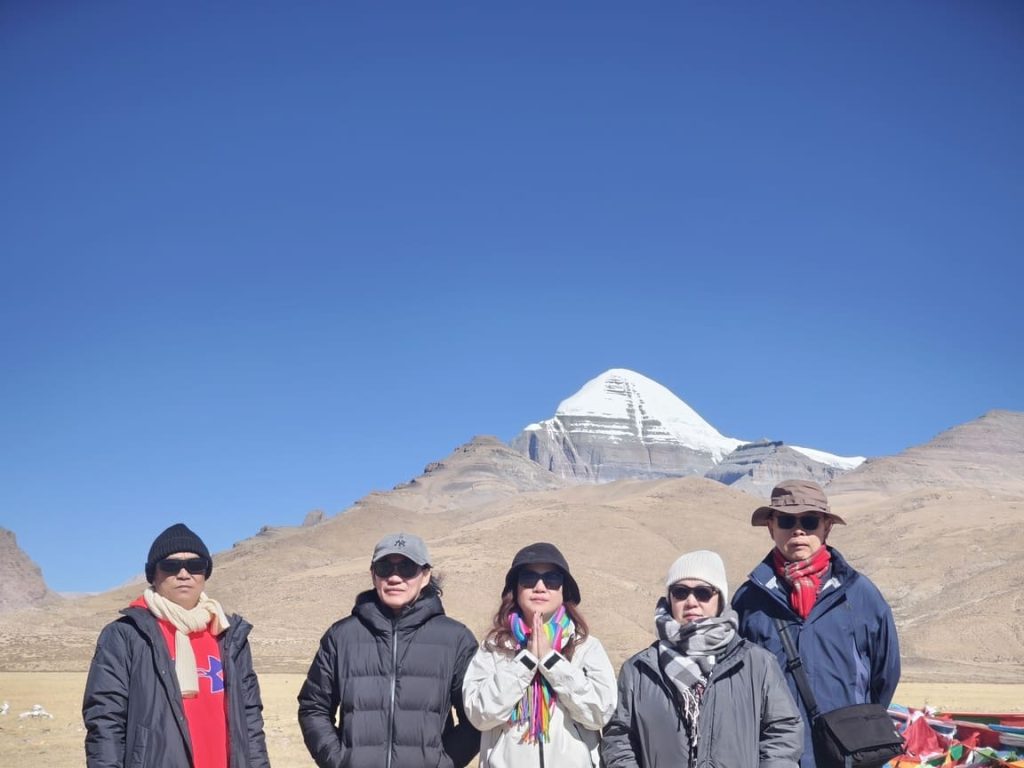
Mount Kailash is considered the “Center of the World” in four religions: Hinduism, Buddhism, Bon, and Jainism. This 52-kilometer circumambulation (kora) around the sacred peak takes 2-3 days and crosses the Dolma La Pass at 5,630 meters (18,470 feet).
This is not a casual tour—it’s a serious pilgrimage requiring physical endurance and spiritual commitment. But for those who complete it, local belief holds that a single circuit cleanses a lifetime of sins, while 108 circuits guarantee enlightenment.
What’s Included in a Quality Small Group Tour?
Not all tours are created equal. Here’s what to look for when booking.
Standard Inclusions
- Tibet Travel Permit: Yes (essential for foreign travelers)
- English-speaking Tibetan guide: Yes
- Airport/train station transfers: Yes
- Accommodation (twin-sharing): 3-5 star hotels (upgrades available)
- Breakfast: Usually included
- Entrance fees: All listed attractions
- Transportation: Comfortable van/bus with local driver
- Oxygen support: Portable canisters + vehicle-mounted oxygen
- Insurance: Travel liability + high-altitude insurance
Premium Add-Ons to Look For
- Oxygen-supplied hotels: Critical for altitude-sensitive travelers. Some tours now offer dispersed oxygen rooms at properties like the InterContinental Lhasa.
- Portable oxygen canisters: Quality tours provide 3L-4L canisters per person.
- Hilton or equivalent upgrades: Available on select tours.
- Tibetan costume photoshoots: Some tours include professional photos in traditional dress (a big hit on social media).
- Welcome dinners and traditional gifts: Small touches like Hada scarves and travel maps.
What’s Usually NOT Included
- International or domestic flights to/from Tibet
- Lunch and dinner (except as noted)
- Tips for guide and driver (recommended: $10/day per traveler shared between both)
- Single room supplement (if traveling solo)
The Permit Process Demystified
One of the biggest advantages of booking a small group tour is permit assistance. Here’s what you need to know.
Required Documents
For most foreign travelers, you’ll need:
- Passport (valid at least 6 months beyond travel dates)
- Chinese “L” Visa (tourist visa)
- Tibet Travel Permit (arranged by your tour operator)
Timeline
Most tour operators require:
- At least 20 days’ booking to process permits
- Passport and visa copies submitted within that window
Special Cases
- Entering from Nepal: If flying to Lhasa from Kathmandu, do NOT get your Chinese visa in advance. Your tour operator will arrange a Tibet Group Visa through the Chinese Embassy in Kathmandu. Your existing Chinese visa will be revoked and replaced with a 30-day group tourist visa.
- Traveling within China first: If you’re already in China (e.g., flying from Chengdu or Beijing), your regular Chinese “L” visa works fine—your operator will still need to secure the Tibet-specific permit.
- Taiwanese travelers: A “Confirmation of Entry to Tibet” is required from the Taiwan Office of the Tibet Autonomous Region, plus a Taiwan Compatriot Certificate.
Critical Warning: Always confirm current permit requirements with your operator before booking, as policies can change.
Health and Altitude Preparation
Tibet’s average elevation exceeds 4,000 meters (13,000 feet). Altitude sickness is a real concern—but proper preparation mitigates most risks.
Who Should Be Cautious
Small group tours are not recommended for travelers with:
- Serious hypertension
- Heart disease
- Asthma
- Pregnancy
Preparation Tips
Before your trip:
- Consider Rhodiola (a Tibetan herb believed to help with altitude adaptation)—take before entering Tibet
- Avoid catching a cold in the weeks before departure
- Pack medications and vitamins
Upon arrival:
- Drink plenty of water
- Avoid alcohol and smoking for the first few days
- Move slowly—no rushing
- Eat fruits and take vitamin supplements
- Don’t shower on day one (temperature changes can stress your system)
Oxygen Support
Quality small group tours now include:
- Portable oxygen canisters (3L-4L per person)
- Vehicle-mounted medical oxygen tanks (4L)
- Oxygen-supplied hotels in Lhasa and the Everest Base Camp towns
One traveler review reassures: “In Tibet it’s safe, don’t worry. We were always given water and oxygen when needed.”
Real Traveler Reviews: What Small Group Travelers Actually Say
Let the experiences of recent travelers speak for themselves.
*“My 6-day Tibet Vista tour was incredible, especially reaching Everest Base Camp. My guide made the whole experience fantastic. From Lhasa’s culture to the stunning Namtso Lake, the scenery was breathtaking. My guide’s knowledge and smooth organization meant we just enjoyed every moment.”*
— MathTraveler777, June 2025
“Our guide was really nice—he let us know a lot of history about Tibet, and we had a great time with the friends in the group. We enjoyed this trip!”
— yashig2025, July 2025
“My group’s knowledgeable and very helpful guide made the trip much more enjoyable. I would like to thank the company and its staff for providing such a wonderful and fascinating experience in Tibet.”
— shahp2014, May 2025
“The program was balanced. Despite visiting two towns, we had time to absorb everything. Impressions are exceptionally positive—recommend visiting Tibet; this experience is for life!”
— C1648GGekaterinap, May 2026
Common themes across reviews:
- Guides are knowledgeable, patient, and go above and beyond
- The pace is well-balanced—not rushed
- Logistics (permits, hotels, transfers) are seamless
- The experience exceeds expectations
How to Choose the Right Small Group Tour for You
With several excellent options available, here’s how to decide.
Consider Your Priorities
| If you want… | Choose… |
|---|---|
| The classic first-timer experience | 6-Day Lhasa & Shigatse tour |
| Festival energy and unique spectacles | Shoton Festival tour (August) |
| Winter travel with luxury hotels | Butter Lamp Festival tour (November) |
| Total cultural immersion and authenticity | Homestay or nomadic tour |
| A physically challenging pilgrimage | Mount Kailash trek |
Questions to Ask Before Booking
- What’s the maximum group size? (Look for 12 or fewer—6-8 is ideal)
- Is the guide Tibetan and English-speaking? (Essential for cultural depth)
- Are permits included and guaranteed? (Should be yes)
- What’s the cancellation policy? (Many offer full refunds with 6+ days’ notice)
- Does the tour include oxygen support? (Increasingly standard)
- Are there shopping stops? (Quality tours advertise “no shopping” and compensate if violated)
- What’s the Potala Palace ticketing situation? (Bookings are complex—your operator should handle it)
Budget Expectations
- Budget small group: $80-120 per day (basic hotels, no oxygen, larger groups up to 12)
- Mid-range: $120-200 per day (good hotels, oxygen support, groups of 6-8)
- Premium: $200-350+ per day (Hilton-level properties, max 6 travelers, all inclusions)
When to Go: Seasonal Considerations
Tibet has distinct travel seasons, each with advantages and trade-offs.
Spring (April-May): Best for Blossoms
This is when the Nyingchi Peach Blossom Festival draws crowds. Pleasant temperatures and fewer crowds than in summer. The 23rd festival saw booking surges of over 180,000. Great for photography.
Summer (June-August): Festival Season
Warmest temperatures (though nights are still chilly). This is peak tourist season—and the time for the Shoton Festival. Book well in advance. Larger crowds, but the festival energy is unmatched.
Autumn (September-October): Perfect Weather
Clear skies, mild temperatures, and stunning golden landscapes. Many guides consider this the best time to visit. Fewer crowds than in summer. Ideal for trekking and photography.
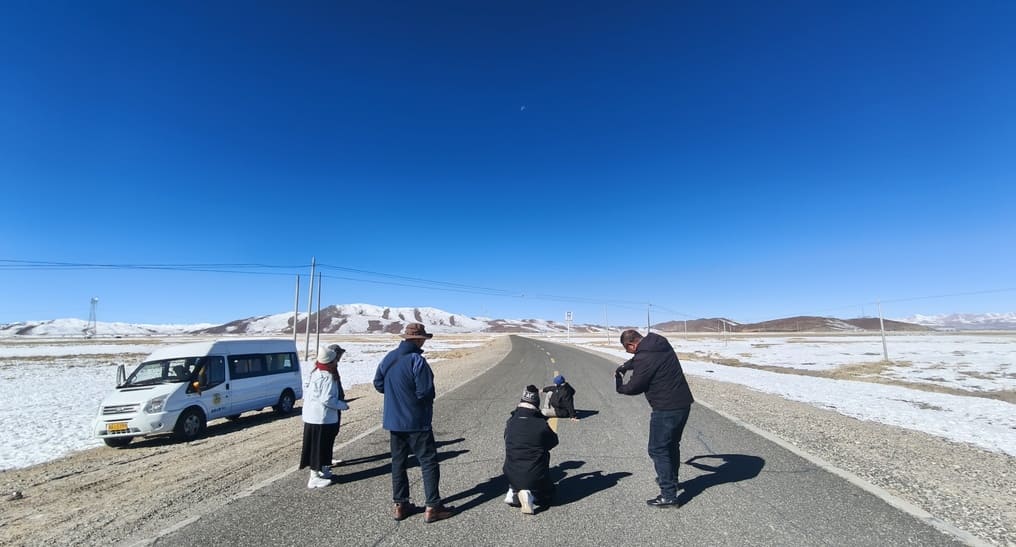
Winter (November-March): Quiet and Spiritual
Very cold (especially at night), and some roads are closed. But you’ll have monasteries almost to yourself, and winter festivals like the Butter Lamp Festival offer unique cultural access. Best for serious cultural travelers who don’t mind bundling up.
Final Thoughts: Why Small Group Cultural Tours Are the Future of Tibet Travel
Tibet is not an easy destination. The altitude is challenging. The permits are complicated. The distances are vast. But that’s precisely why a small group cultural tour makes so much sense.
You don’t need to figure out permits on your own. You don’t need to navigate language barriers in remote villages. You don’t need to stress about altitude sickness without support. Instead, you can focus on what matters: being present in one of the world’s most spiritually and culturally rich places.
In 2026, travelers are voting with their wallets for smaller groups, deeper experiences, and authentic connections. The tours profiled in this guide represent the best of what’s available—whether you’re drawn to the festival energy of Shoton, the quiet devotion of the Butter Lamp Festival, the raw beauty of Everest Base Camp, or the intimate authenticity of a family homestay.
“A trip to Tibet had been on my list for a very long time, and finally, it happened! Four fantastic days gave me a great understanding of this important and unique region. Traditional, fascinating, and wonderfully strange in a very good way.”
— shahp2014, May 2025
Your trip to the Roof of the World awaits. Choose a small group tour, pack your sense of wonder, and go experience Tibet the way it was meant to be experienced—slowly, deeply, and with an open heart.
Ready to Plan Your Trip?
Next Steps:
- Decide on your travel dates based on seasonal preferences
- Choose a tour type that matches your interests and fitness level
- Book at least 20-30 days in advance to ensure permit processing
- Prepare your passport and visa (don’t apply from Nepal if flying in from Kathmandu)
- Consult your doctor about altitude preparation
- Pack layers, sunscreen, and an open mind