
Dreaming of the Roof of the World? Discover exactly how to find the best Tibet tour for your budget and style. Avoid scams, get permits, and see Lhasa, Everest Base Camp & more.
Why Tibet Requires a Perfect Plan
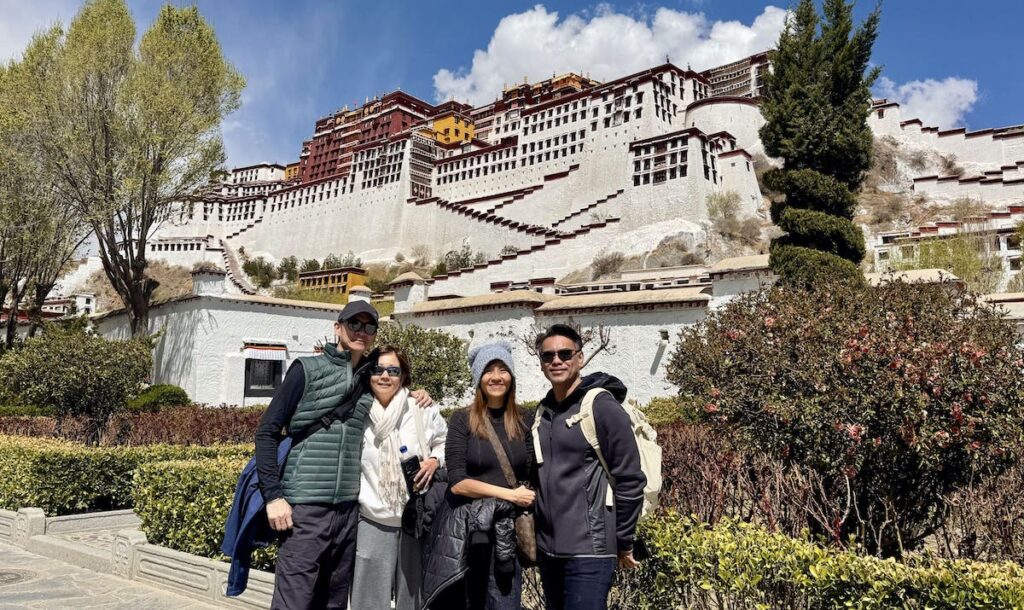
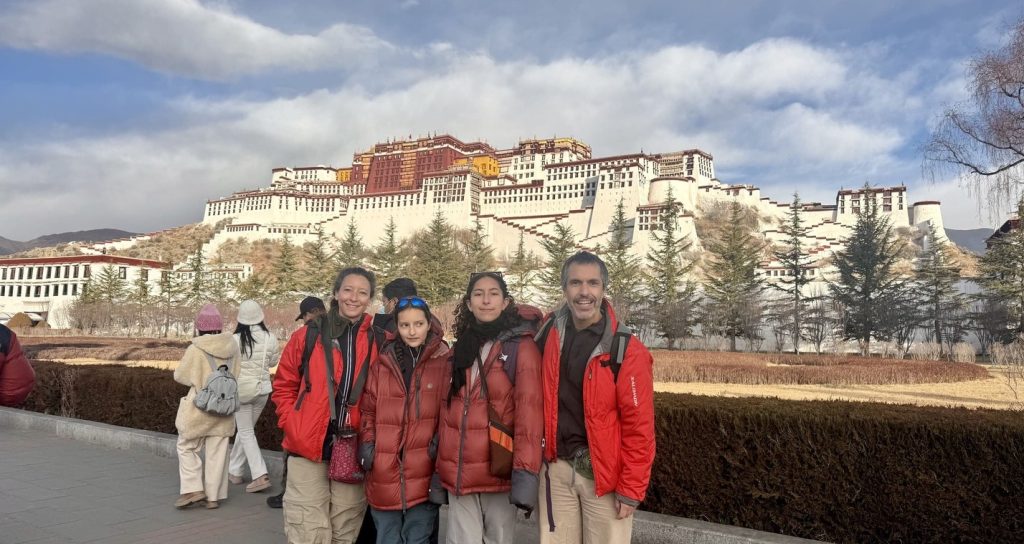
Tibet is not just a destination; it is a feeling. For decades, travelers have dreamed of standing before the Potala Palace, walking the kora around Jokhang Temple, and staring up at the north face of Mount Everest from the Rongbuk Valley.
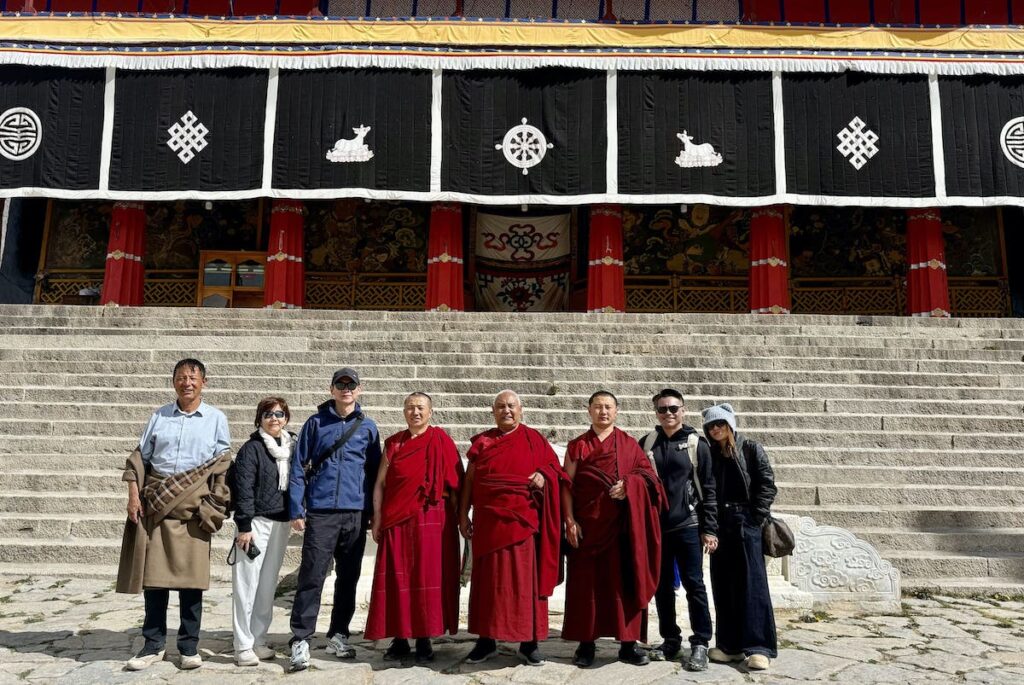
But here is the truth: Tibet is not an easy place to travel independently.
Unlike backpacking through Thailand or renting a car in Europe, visiting the Tibet Autonomous Region (TAR) comes with strict regulations. You cannot just book a flight and figure it out when you land. You need a permit, a guide, and a pre-arranged itinerary.
That is why finding the best Tibet tour is the single most important decision you will make.
A bad tour means hidden fees, rushed itineraries, altitude sickness negligence, and guides who rush you through temples. A great tour gives you the trip of a lifetime.
In this guide, I will walk you through exactly how to vet operators, what permits you need, the best routes, and how to save money without sacrificing safety.
Let’s get started.
Part 1: The Golden Rule – You Cannot Go Solo
Before we compare itineraries, we need to clear up a massive misconception.
Can you travel to Tibet independently?
No. Not unless you are a Chinese citizen with a Resident ID. For all international travelers (including those from the US, UK, Canada, Australia, and most of Europe), you must join a pre-arranged tour with a registered Tibetan travel agency.
This is not the agency being difficult. It is the law.
Even if you speak fluent Mandarin or have lived in Asia for ten years, you will need a guide to enter Lhasa. Your guide will hold your Tibet Travel Permit (TTP), which gets checked at airports, train stations, and every major checkpoint.
The takeaway: Stop looking for “solo travel Tibet” and start looking for “small group Tibet tours” or “private Tibet tours.”
Part 2: The 4 Must-Have Permits (And Who Gets Them)
When you find the best Tibet tour, the agency should handle 100% of the paperwork. But you need to know what you are paying for. Here are the essential permits:
- Tibet Travel Permit (TTP): The main document. Required to enter Lhasa and Shigatse.
- Alien’s Travel Permit: Needed if you go to Everest Base Camp (EBC) or Lake Namtso.
- Military Permit: Required for western Tibet (Mt. Kailash) and border areas.
- PSB (Public Security Bureau) Filing: For overnight stays outside Lhasa.
How long does it take?
A good agency needs 7 to 10 working days to process your TTP. During peak season (May–October), do not cut it close. Send your passport scan at least 20 days in advance.
Red flag: Any agency that promises you can get a permit in 48 hours. That is impossible for international tourists.
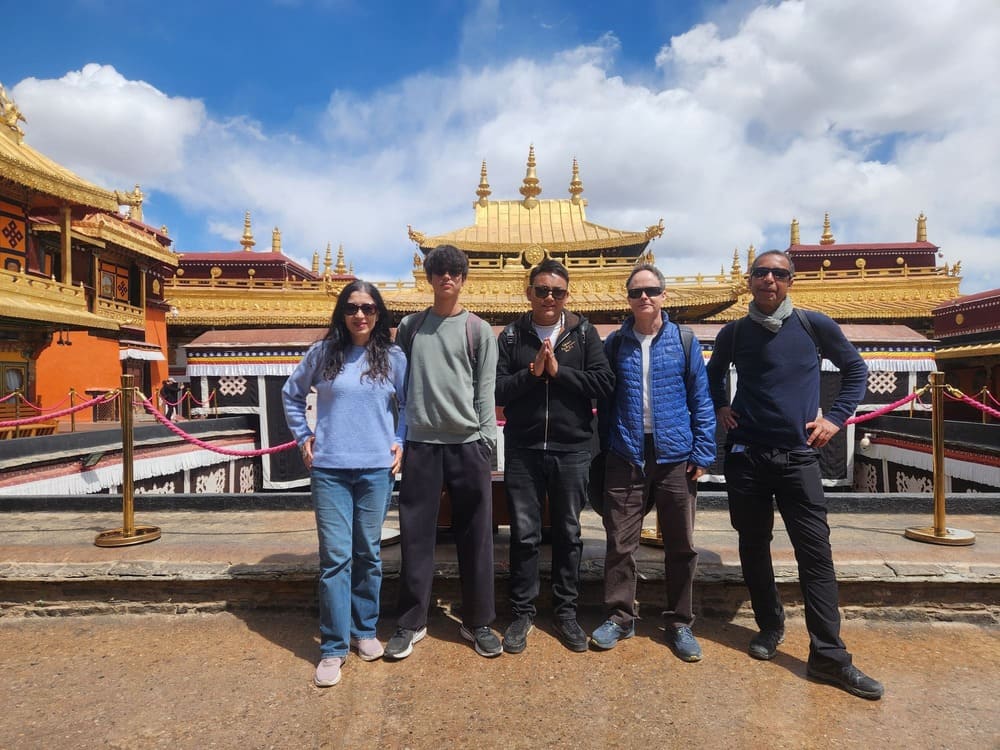
Part 3: The 5 Best Tibet Tour Routes (Ranked by Experience)
Now for the fun part. “Best” depends on how much time and money you have. Below are the five classic routes, ranked from most popular to most adventurous.
1. The Classic Lhasa & Everest Base Camp (8 Days)
Best for: First-timers who want the ultimate photo.
Itinerary snapshot:
- Day 1-3: Acclimatize in Lhasa (Potala Palace, Jokhang Temple, Sera Monastery debate).
- Day 4: Drive to Shigatse via Yamdrok Lake and Karola Glacier.
- Day 5: Drive to Everest Base Camp (5200m). Overnight at the tent guesthouse.
- Day 6-8: Return to Lhasa via the Friendship Highway.
Why it’s the best: You see the two biggest highlights—Lhasa’s culture and Everest’s majesty. This is the #1 selling tour for a reason.
2. Ultimate Lhasa Cultural Immersion (5 Days)
Best for: History buffs and spiritual seekers.
Focus: No long drives. Four full days inside Lhasa. You walk the Barkhor Street three times, visit the Dalai Lama’s summer palace (Norbulingka), and spend two hours inside the Potala’s rooftop chapels.
Downside: You miss the Himalayas.
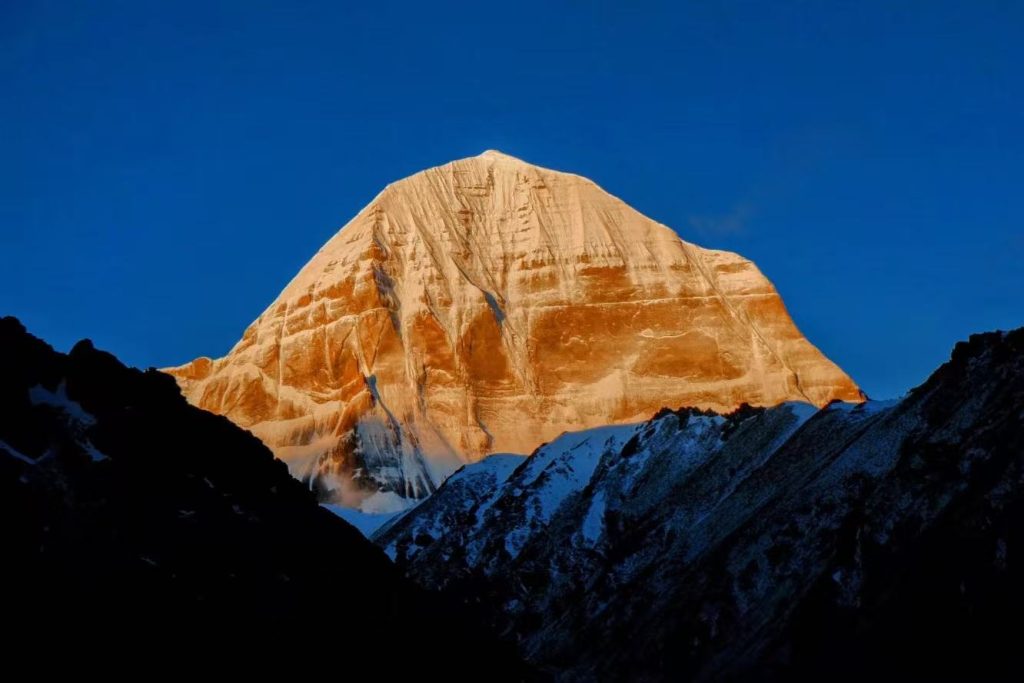
3. Kailash Pilgrimage & Lake Manasarovar (15+ Days)
Best for: Hardcore trekkers and spiritual pilgrims.
What it is: A 52km (32-mile) kora (circumambulation) around Mount Kailash, the sacred peak for Hindus, Buddhists, and Jains.
Reality check: You must be ultra-fit. The pass at Dolma La is 5,636 meters (18,500 ft). This tour costs 2-3x more due to long drives and military permits.
4. Overland From Lhasa to Kathmandu (7 Days)
Best for: Overland junkies who hate backtracking.
How it works: Start in Lhasa, drive to EBC, then cross the Gyirong border into Nepal. You don’t return to Lhasa.
Pro tip: This saves 2 days of driving, but you need both a Chinese visa (for Tibet) and a Nepal visa (usually obtained at the border).
5. Eastern Tibet & The Ganden to Samye Trek (10 Days)
Best for: Off-the-beaten-path hikers.
What it is: A 4-day high-altitude trek through nomadic camps, culminating at Samye Monastery, Tibet’s first Buddhist monastery.
Warning: Very few agencies do this well. Vet them carefully.
Part 4: How to Choose a Tour Operator (The Vetting Process)
There are hundreds of websites claiming to be “local Tibet travel experts.” Many are just middlemen in Beijing or Chengdu who subcontract to drivers in Lhasa.
Here is your 5-step vetting process:
Step 1: Look for a Lhasa address.
The best tour operators are actually in Tibet. Check their “Contact Us” page. If they only have a mailing address in Singapore, London, or Shanghai, call them. Ask: “Is your office in Lhasa? Can I visit you when I arrive?” If they hesitate, walk away.
Step 2: Read recent negative reviews.
No one has perfect reviews. Search for “worst review” or “scam” on their Trustpilot or TripAdvisor. What are the complaints?
- Bad: “They canceled at the last minute.” (Unreliable)
- Acceptable: “The food at the EBC guesthouse was basic.” (That’s normal for Tibet)
Step 3: Ask about the guide’s language and certification.
Tibetan guides need an official license from the Tibet Tourism Bureau. Ask: “Is our guide English-fluent? Have they worked above 5000m for more than 3 years?”
A great guide is the difference between a history lesson and a life-changing experience.
Step 4: Demand a written itinerary with exact hotels.
Bait-and-switch is common. One agency promises “four-star lodging,” but you arrive at a hostel. Get the hotel names (e.g., Lhasa Himalaya Hotel) in writing before paying.
Step 5: Check for included oxygen.
By law, private tours must supply medical oxygen in the vehicle. Group tours often do not. Ask: “Is a portable oxygen cylinder included for the EBC day?” If no, you will pay $50+ per small canister.
Part 5: Pricing – What Should a Tibet Tour Cost?
Let’s talk money. This is where travelers get confused.
Average costs for 2025-2026 (per person):
- Budget group tour (8-12 people): 900−900−1,300 for 8 days (Lhasa + EBC)
- Standard small group (4-6 people): 1,400−1,400−1,800
- Private tour (just you + guide/driver): 2,500−2,500−4,000+
Why is it expensive?
Tibet is remote. The government sets fixed rates for vehicles (Toyota Land Cruisers only) and licensed guides. Also, your tour price includes all permits, which cost the agency money.
Hidden costs to ask about:
- Does it include entrance fees? (Potala Palace is ~$35 alone).
- Does it include the EBC bus? (Outside vehicles are banned; you pay $30 for the eco-bus).
- Does it include sleeping bags at EBC? (Guesthouses only provide a thin blanket.
Red flag: A tour advertised for 499 for 8days. That is mathematically impossible. They will either scam you or hit you with 499 for 8 days. That is mathematically impossible. They will either scam you or hit you with 1000 in “mandatory add-ons” in Lhasa.
Part 6: The Best Time to Book (And When to Go)
Timing is everything for the best Tibet tour.
Peak Season (May, June, September, October):
- Weather: Clear skies, warm days (15-20°C), cold nights.
- Pros: Everest views are 90% visible.
- Cons: Prices are 30% higher. Potala Palace tickets are rationed. Book 3 months ahead.
Monsoon (July & August):
- Weather: Rainy mornings, foggy afternoons.
- Reality: You might not see Everest. Landslides near Nyingtri.
- Pro: Fewer tourists. Greener valleys.
Winter (November to February):
- Weather: Brutal cold (-15°C at night), but crystal blue skies.
- Pro: Up to 50% off tours. No crowds.
- Con: Some hotels close. EBC guesthouses may be freezing (bring a -20°C bag).
Best compromise: Late September to mid-October. Post-monsoon skies, golden autumn light, and the Shoton Festival if you time it right.
Part 7: Altitude Sickness – Your #1 Risk (And How to Beat It)
I cannot write a guide about the best Tibet tour without addressing the elephant in the room: altitude sickness.
Lhasa is 3,650 meters (12,000 feet). Everest Base Camp is 5,200 meters (17,060 feet).
Even the best tour cannot prevent biology. Here is your action plan:
- Fly into Lhasa, don’t take the train from Beijing. The train is 40+ hours and drops you at 3650m with no gradual ascent. Flying gives you a full day to rest.
- Book a tour with a rest day. Any itinerary that goes straight from Lhasa airport to the Potala Palace is dangerous. The best tours give you a half-day to do nothing, to hydrate.
- Get Diamox. Ask your doctor for acetazolamide (generic Diamox). Start 24 hours before landing. It has side effects (tingling fingers), but it prevents HAPE/HACE.
- Don’t shower on night one. It dilates blood vessels and can trigger acute symptoms. Seriously.
- Know the evacuation plan. Ask your tour operator: “If I get severe AMS at EBC, how fast can I descend to Lhasa or Kathmandu?” A good operator has a 4×4 on standby.
Part 8: What Makes a Tour “The Best”? (Client Testimonials Translated)
Instead of advertising, let me share what real travelers say about the best vs. worst tours.
Sign of a bad tour:
“The guide rushed us through Potala in 45 minutes and kept taking phone calls.”
Translation: The guide was not passionate. You were just a number.
Sign of a good tour:
“Our guide, Tenzin, explained the difference between Gelug and Nyingma Buddhism for an hour outside Jokhang, then bought us butter tea.”
Translation: You got a cultural immersion, not a checklist.
Sign of the best tour:
“When my husband got altitude sickness at EBC, the driver drove 4 hours back to Shigatse at 2 AM without asking for extra payment.”
Translation: Safety and care over profit.
Look for agencies that tell stories about their guides by name.
Part 9: Booking Step-by-Step (Your 90-Day Timeline)
To lock in the best Tibet tour without stress, follow this timeline:
90 days before: Choose your route (see Part 3). Research three agencies.
60 days before: Contact them. Ask for a detailed proposal. Please compare what is included (oxygen, hotels, meals, permits).
45 days before: Pay a deposit (usually 30%). Send clear scans of your passport and Chinese visa (or proof you will get one).
30 days before: Agency applies for your TTP. You can book refundable international flights to China until they confirm “Permit approved.”
14 days before: Receive an original copy of your TTP at the hotel will be staying in China(Chengdu, Beijing, or other cities). You will not be allowed to board the Lhasa train or flight without a hard copy.
Arrival in Lhasa: Meet your guide. Show them your original passport. Pay the remaining balance (carry USD or CNY, because cards often fail).
Pro tip: Bring 500 crisp, new 500 crisp, new 100 bills. ATMs in Tibet if doesn’t work for international cards. The best tour operators accept Alipay/WeChat, but tourists cannot easily use them.
Part 10: Final Checklist – 10 Questions to Ask Before Booking
Copy and paste these questions into an email to your potential tour operator. Their answers will tell you everything.
- “Is the Tibet Travel Permit included in the price?” (If no, run.)
- “What is the maximum group size?” (Over 12 people = bus tour nightmare).
- “What vehicle do you use?” (Answer must be a comfortable Van for the group tour).
- “Are entrance fees to Potala Palace and EBC included?”
- “Where do we sleep at Everest Base Camp? Does it have heating?”
- “Can you provide a letter for my Chinese visa application stating the Tibet portion?”
- “What is the cancellation policy if I get sick in Lhasa?”
- “Do you offer a free airport pickup?” (Most good ones do).
- “Are meals included?” (Usually only breakfast in Lhasa, no meals on the road).
- “Can you share a recent review from a solo traveler?”
Conclusion: Your Roof of the World Awaits
Finding the best Tibet tour is not about finding the lowest price or the flashiest website. It is about finding a local team that respects the culture, prioritizes your safety above 4000 meters, and handles the bureaucracy so you can focus on the magic.
Tibet will change you. The prayer flags whipping in the wind, the devotion of pilgrims prostrating for miles, the stark silence of the Tibetan Plateau—these are not things you see. They are things you feel.
But you cannot feel any of that if you are stuck at a police checkpoint without the right permit, or gasping for air because your budget tour didn’t bring oxygen.
Take your time. Use this guide. Ask the hard questions.
And when you finally stand in the golden hall of the Potala Palace or watch sunset turn Everest pink, you will know: you found the best tour.
FAQ – Quick Answers
Q: Can I book a Tibet tour after arriving in China?
A: Yes, but risky. Flights/trains to Lhasa fill up 2 weeks in advance. Book before you leave home.
Q: Do I need a Chinese visa before booking a Tibet tour?
A: Yes and no. The agency needs your passport number, but the actual visa is obtained at a Chinese embassy. Some agencies offer “visa invitation letters.”
Q: Is Wi-Fi good in Tibet?
A: In Lhasa, yes (hotels). At EBC, forget it. Buy a China Mobile SIM at the airport.
Q: Can I visit Tibet from India?
A: Only via Nepal (flight from Kathmandu to Lhasa). The land borders (Nathu La) are closed to international tourists.