
For the intrepid traveler, Tibet remains one of the last great frontiers. In this land, spirituality permeates the thin mountain air, where ancient monasteries cling to rugged cliffs, and where the timeless culture of the Tibetan people persists against a backdrop of breathtaking, otherworldly landscapes. As we look ahead to 2026, planning a journey to the “Roof of the World” requires careful consideration, updated information, and a deep respect for this unique region. This comprehensive guide will navigate you through the best Tibet tours available in 2026, offering detailed insights to craft an experience that is both transformative and respectful.
Why Tibet in 2026? Understanding the Context
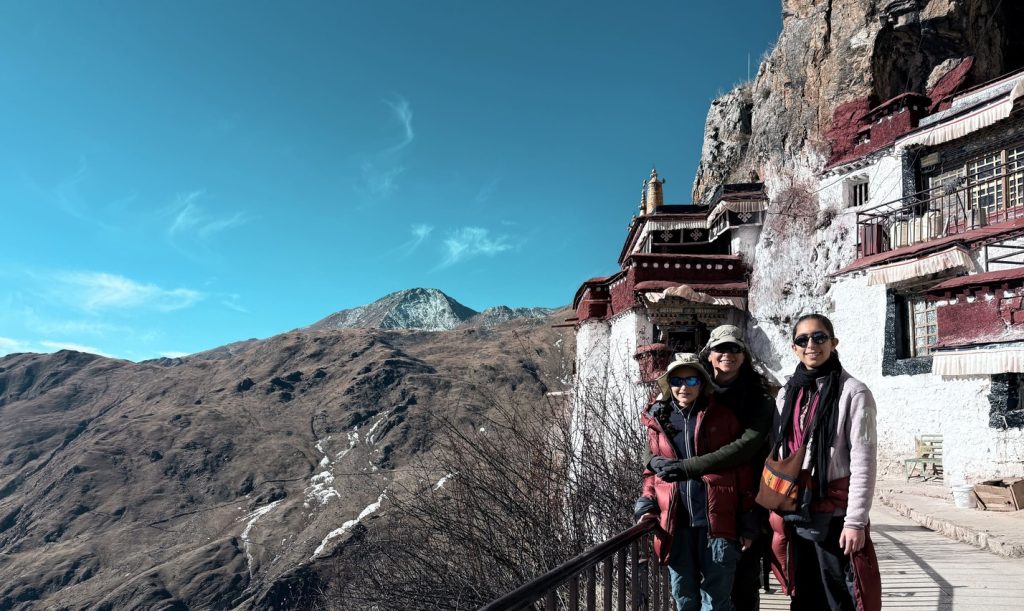
Tibet is not a destination one books on a whim. It’s a pilgrimage. Visiting requires a Tibet Travel Permit, arranged only through a licensed tour operator as part of a guided group or private tour. The year 2026 presents a unique window: infrastructure has improved accessibility, while a renewed global focus on sustainable and culturally sensitive travel aligns perfectly with exploring Tibet thoughtfully.
Key considerations for 2026:
· Sustainability Focus: Operators are increasingly adopting eco-friendly practices, crucial for Tibet’s fragile ecosystem.
· Cultural Preservation: There’s a growing emphasis on tours that facilitate genuine, respectful cultural exchange.
· Logistical Ease: While still requiring planning, the process for permits and travel within the Tibet Autonomous Region (TAR) is well-established with reputable operators.
· A Time for Meaningful Travel: Post-pandemic, travelers seek depth—Tibet offers profound spiritual and natural immersion.
The Essential Tibet Travel Permits for 2026
Before diving into tours, understand the prerequisites. For all foreign travelers, the following are mandatory:
1. Tibet Travel Permit (TTP): Issued by the Tibet Tourism Bureau. Your tour operator obtains this with copies of your Chinese visa and passport.
2. Alien’s Travel Permit (ATP): Required for travel outside Lhasa, like to Everest Base Camp or Mt. Kailash. Your guide handles this.
3. Military Permit: Needed for certain remote areas (e.g., parts of Ngari Prefecture).
Crucial 2026 Advice: Start the process at least 20-30 days before departure. Ensure your Chinese visa is finalized before your operator applies for the TTP. Policies can shift; a reliable operator is your most valuable asset.
The Best Tibet Tour Itineraries for 2026: From Classic to Epic
Here, we break down the premier tour categories, detailing itineraries, what makes them special for 2026, and who they are best for.
Category 1: The Classic Introduction (8-10 Days)
Perfect for first-timers and those with limited time.
The “Highlights of Tibet” Tour (9 Days)
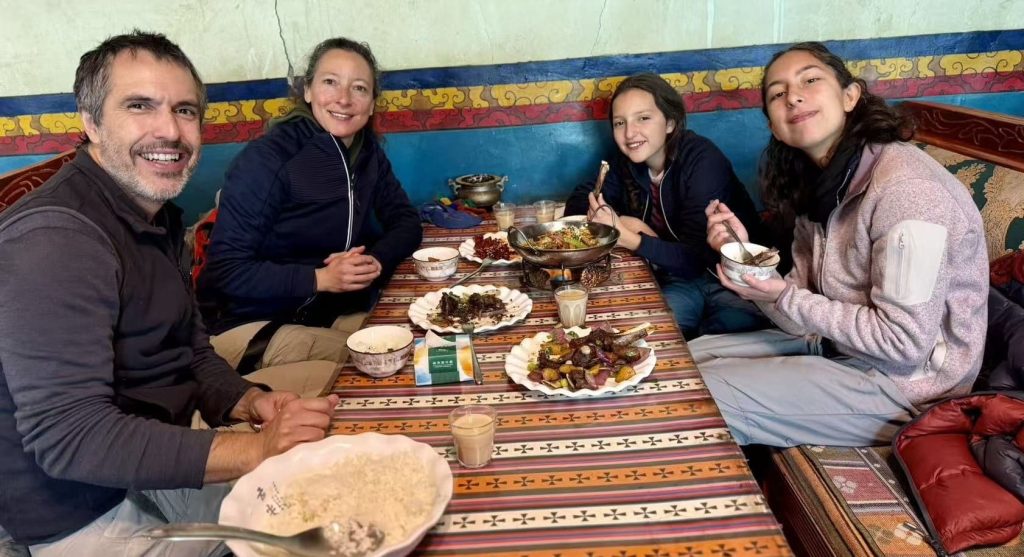
· Route: Lhasa (3-4 nights) → Gyantse (1 night) → Shigatse (1 night) → Everest Base Camp (EBC) (1 night) → Return to Lhasa.
· In-Depth Itinerary:
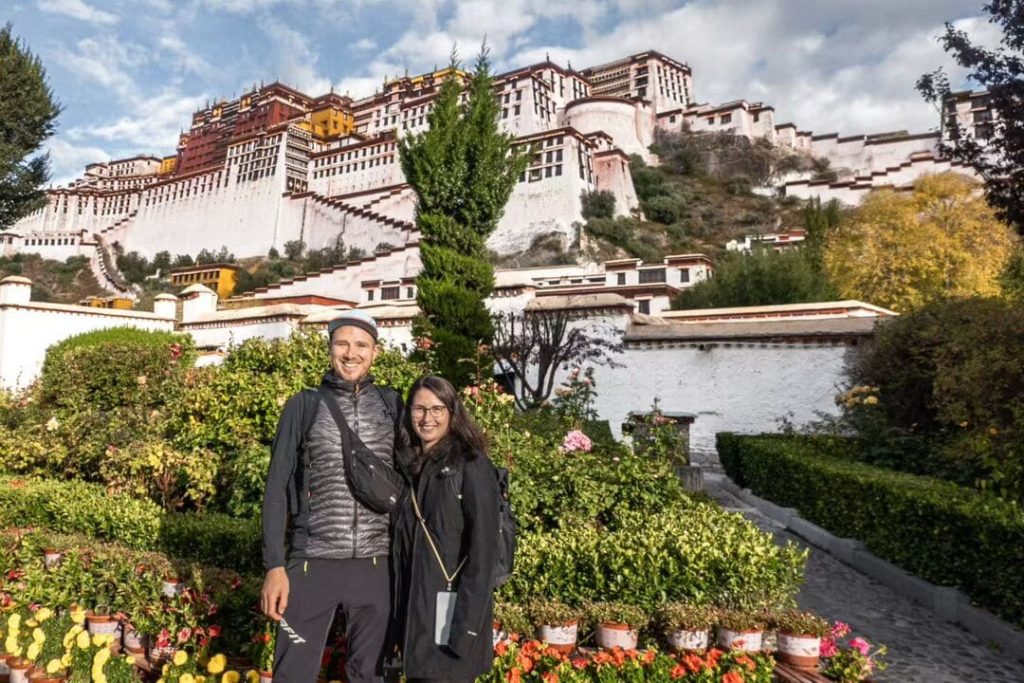
· Days 1-4 Lhasa Acclimatization: Explore the spiritual heart. Visit the Potala Palace (booking timed entries is key in 2026), the Jokhang Temple with pilgrims circling Barkhor Street, and the great monastic universities of Sera (debates) and Drepung.
· Day 5 Lhasa to Gyantse: Cross the Kamba La (4,794m) for a first glimpse of Yamdrok Lake’s turquoise waters. Continue over the Karo La glacier pass to the historic town of Gyantse, visiting the unique Kumbum Stupa at Pelkor Monastery.
· Day 6 Gyantse to Shigatse: A short drive to Tibet’s second city. Visit the colossal Tashilhunpo Monastery, seat of the Panchen Lama.
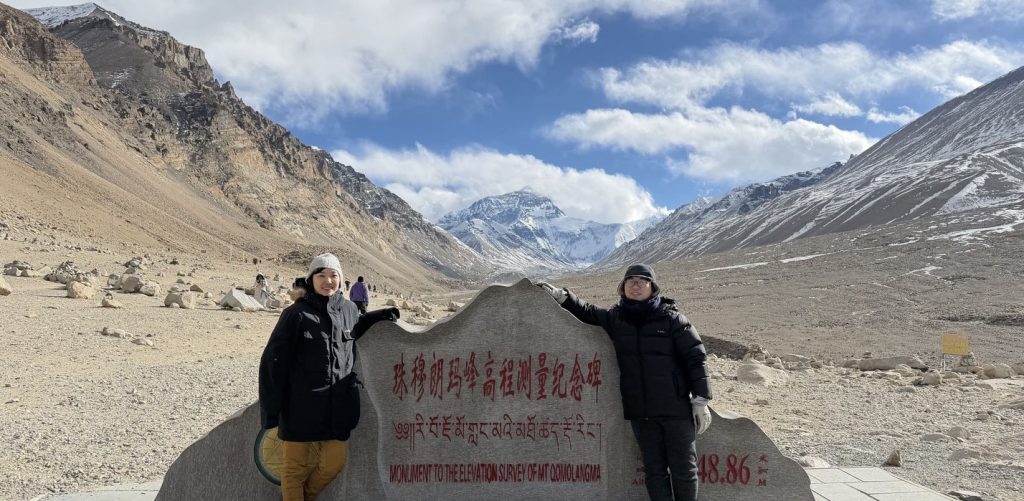
· Day 7 Shigatse to Everest Base Camp: Traverse high passes into the stark beauty of the Himalayas. Overnight at Rongbuk Monastery or a tent guesthouse, facing the north face of Mt. Everest.
· Day 8 EBC to Shigatse/Lhasa: Return journey, absorbing the magnitude of the experience.
· Why it’s a Top Pick for 2026: This route remains the most accessible and complete introduction. Operators in 2026 are enhancing this classic with stays at better-acclimatized lower-altitude lodges near EBC and incorporating more interactions with local artisans in Gyantse.
· Best For: First-time visitors, photographers, cultural enthusiasts.
Category 2: The Overland Adventure (15-18 Days)
For those who believe the journey is the destination.
The Epic Nepal to Tibet (or Vice Versa) Friendship Highway Tour (16 Days)
· Route: Kathmandu → Gyirong Border → Everest Base Camp → Shigatse → Gyantse → Lhasa (or the reverse).
· In-Depth Itinerary: This tour builds on the Classic, but begins with the dramatic drive from Kathmandu into Tibet via the Gyirong Port. The ascent onto the Tibetan Plateau is immediate and breathtaking. The itinerary includes all Classic highlights but with the added thrill of a monumental overland crossing.
· 2026 Considerations: The condition of the road and border procedures can vary. The best 2026 operators will have seamless logistics, comfortable 4WD vehicles, and guides expert in managing the border crossing. Reverse Direction (Lhasa to Kathmandu) is often recommended for better acclimatization.
· Why it’s a Top Pick for 2026: It combines two Himalayan cultures into one epic trip. With improved infrastructure on both sides, this journey is becoming slightly more comfortable without losing its adventurous edge.
· Best For: Adventure seekers, landscape photographers, travelers wanting to maximize a Himalayan journey.
Category 3: The Pilgrimage & Wilderness Trek (12-22 Days)
For the spiritually inclined and serious adventurers.
A. The Mount Kailash & Lake Manasarovar Pilgrimage (15 Days)
· Route: Lhasa → Shigatse → Saga → Lake Manasarovar → Mt. Kailash Kora (3-Day Trek) → Return.
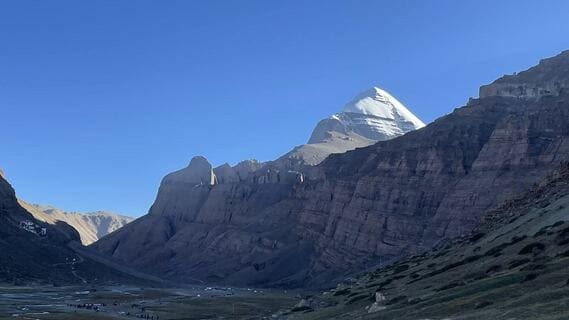
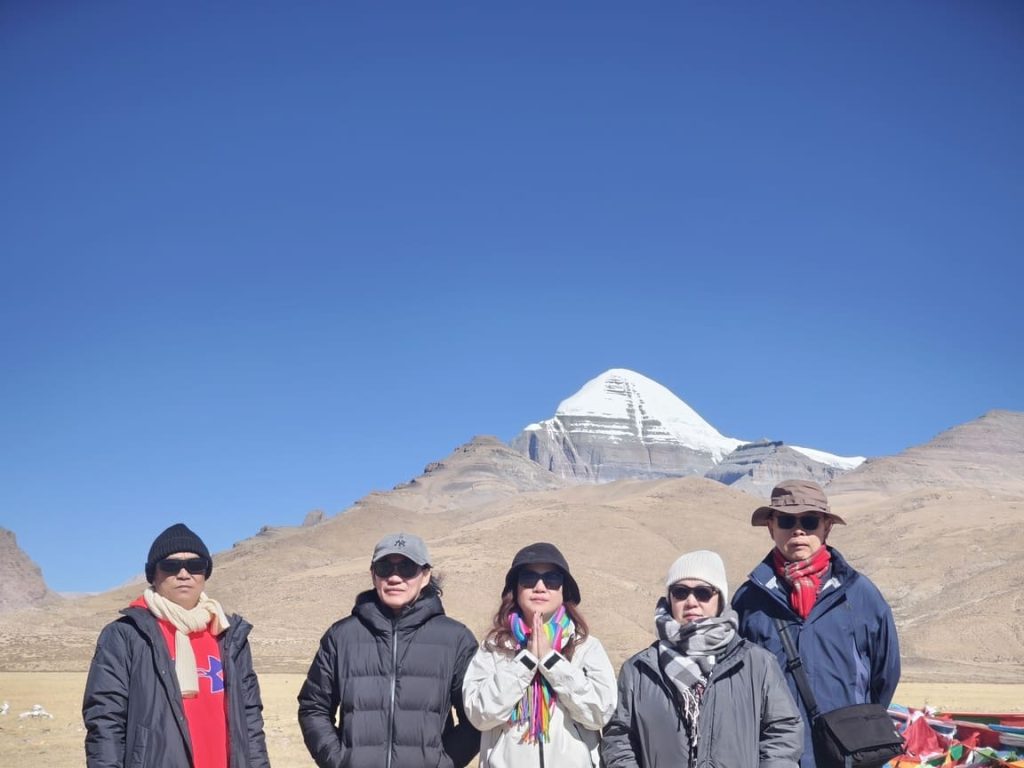
· In-Depth Itinerary: After acclimatizing in Lhasa and Shigatse, venture into the remote Ngari Prefecture. The climax is the 52km, high-altitude circumambulation (kora) of Mt. Kailash, sacred to Buddhists, Hindus, Jains, and Bonpos. The journey includes meditative time at the pristine Lake Manasarovar.
· Why it’s a Top Pick for 2026: This is the ultimate Tibetan pilgrimage. In 2026, look for operators offering smaller groups, expert guides who understand the spiritual significance, and support staff dedicated to Leave No Trace principles on the fragile kora route.
· Best For: Spiritual pilgrims, seasoned high-altitude trekkers, those seeking profound challenge.
B. The Ganden to Samye Trek (10 Days, including Lhasa)
· Route: Lhasa → Ganden Monastery → 4-Day Highland Trek → Samye Monastery → Return to Lhasa.
· In-Depth Itinerary: This classic trek connects two of Tibet’s most important monasteries, traversing high passes, alpine meadows, and remote valleys. It’s a chance to see nomadic herders and experience Tibet’s landscape intimately.
· 2026 Developments: Operators are now providing better camping equipment and focusing on sustainable trekking practices. This trek is gaining popularity as an alternative to the more strenuous Kailash kora.
· Best For: Active travelers, trekkers wanting a wilderness experience without extreme remoteness.
Category 4: The Deep Cultural & Festival Immersion (10-14 Days)
Timed for unparalleled cultural access.
Tibet Festival Tour: Saga Dawa or Shoton Festival (12 Days)
· Saga Dawa (May/June): Celebrates Buddha’s birth, enlightenment, and parinirvana. The highlight is at Tarboche, near Mt. Kailash, but celebrations in Lhasa are vibrant.
· Shoton Festival (August): Begins with the unveiling of a giant thangka at Drepung Monastery, followed by operas, picnics, and performances in Norbulingka.
· In-Depth Itinerary: These tours build a standard cultural itinerary around the festival dates. Expect larger crowds but an electric, joyous atmosphere.
· Why it’s a Top Pick for 2026: Festival tours require booking a year or more in advance for 2026, as permits and hotels are highly competitive. The reward is witnessing living Tibetan culture at its most vibrant.
· Best For: Cultural anthropologists, photographers, travelers wanting peak cultural immersion.
Choosing Your 2026 Tibet Tour Operator: Critical Factors
The operator makes or breaks your Tibet experience. Here’s what to prioritize for 2026:
1. Licensing & Proven Track Record: They must be a licensed Tibet tour operator based in China. Check reviews (TripAdvisor, Google) and their history.
2. Sustainability & Ethics: Inquire about their policies:
· Do they use local guides and drivers?
· What waste management do they employ on tours/treks?
· How do they facilitate respectful visitor-local interaction?
3. Group Size & Style: Small groups (6-12 max) offer a better experience. Decide if you prefer a standard group tour, a private custom tour, or a themed tour (photography, meditation).
4. Guide Quality: An English-speaking Tibetan guide is invaluable for cultural insight and connection.
5. Transparency & Communication: They should clearly explain costs, permits, and itineraries. Responsive pre-trip communication is a good sign.
6. Health & Safety Protocols: For 2026, ensure they have clear acclimatization schedules, emergency oxygen, and evacuation plans.
Practical Tips for Your 2026 Tibet Adventure
· When to Go: April to October is ideal. May-Oct offers warm weather; July-Aug is rainy but green and festival-rich. Winter tours are possible but very cold, with some routes closed.
· Altitude Sickness: This is real. Choose tours with gradual ascent profiles. Spend at least 2-3 nights in Lhasa (3,650m) to acclimatize. Stay hydrated, avoid alcohol, and consider medication (consult a doctor).
· What to Pack (2026 Edition): Layered clothing, a high-quality down jacket (even in summer), supremely comfortable walking shoes, high-SPF sunscreen, lip balm, a headlamp, portable power bank, and a reusable water bottle and toiletries to minimize plastic waste.
· Cultural Etiquette: Always circumambulate sacred sites (stupas, monasteries) clockwise. Ask before photographing people. Dress modestly in monasteries.
The Future of Travel in Tibet: A 2026 Perspective
Traveling to Tibet in 2026 is an immense privilege. It’s a chance to witness a culture of profound resilience and spirituality, set within one of the planet’s most dramatic landscapes. By choosing a tour that prioritizes respect, sustainability, and meaningful engagement, you do more than just visit—you participate in a form of travel that can foster understanding and support preservation.
The best Tibet tour in 2026 isn’t just about the destinations checked off a list; it’s about the depth of the experience. It’s the chill of the morning air at Everest, the murmur of prayers in a dim temple, the awe-inspiring silence of the Changtang plateau, and the weathered, smiling face of a pilgrim you meet along the way. It is, quite simply, a journey that changes you.
Start your research, choose your operator wisely, prepare your body and mind, and get ready for the adventure of a lifetime on the Roof of the World.
Disclaimer: Travel regulations for Tibet can change with little notice. All information here is a guide for early 2026 planning. Always confirm the latest requirements directly with your chosen licensed tour operator before booking international travel.