
The very word Tibet conjures images of towering, snow-capped peaks, fluttering prayer flags, and ancient monasteries clinging to cliffsides. While these vistas are profoundly real and form the stunning backdrop, the soul of this land lies not just in its landscapes, but in the living, breathing Tibetan culture. A Tibet trip often focuses on iconic sites, but to truly understand Tibet, you must step beyond the itinerary and into the rhythm of daily life, ritual, and community. This is a guide to moving from sightseeing to heart-seeing, offering a pathway to genuinely experience the rich tapestry of Tibetan life.
Laying the Foundation: Respect and Understanding
Before diving into the “how,” we must address the “how to approach.” Tibetan culture is deeply intertwined with Tibetan Buddhism and a resilient spirit shaped by a high-altitude environment. The key to authentic immersion is respect.
· Openness, Not Judgment: Approach differences in lifestyle, belief, and custom with curiosity, not comparison.
· Mindful Observation: Sometimes the deepest understanding comes from quiet observation—a local making butter tea, the murmured prayers at a shrine, the worn hands spinning a prayer wheel.
· Learn a Few Phrases: A heartfelt “Tashi Delek!” (hello/good wishes) opens more doors than any guidebook. “Thuchi che” (thank you) is equally powerful.
With this mindset, your Tibet travel becomes a journey of connection.
Immersive Experiences: Your Pathways to Connection
1. Live the Spiritual Rhythm: Participate, Don’t Just Spectate
While the Potala Palace and Jokhang Temple are must-sees, true immersion happens in the flow of spiritual practice.
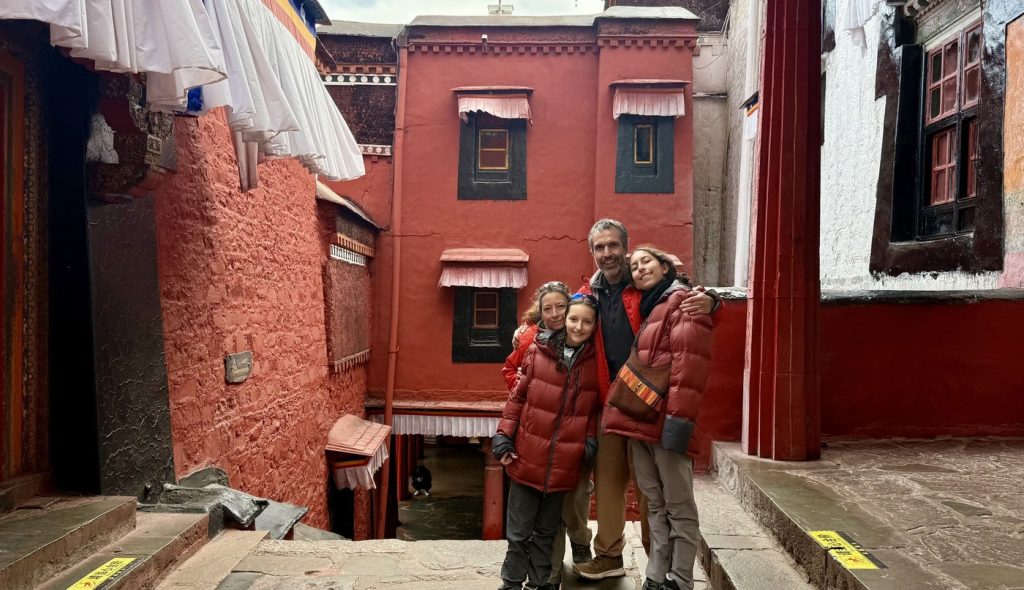
· Kora with the Locals: Join pilgrims on a kora (circumambulation) around sacred sites. Walk the Barkhor Circuit in Lhasa, spinning prayer wheels alongside elderly Tibetans from distant provinces. The slow, steady pace is meditative, and the shared purpose creates a silent, powerful bond. At Sera Monastery, debate with the monks not in theology, but in smiles and presence.
· Attend a Local Festival: Plan your Tibet trip around a festival like Losar (Tibetan New Year) or the Shoton Festival. Here, culture erupts in color, dance, and community joy. You’ll see families in their finest attire, share picnic feasts, and witness ancient performances that are not shows for tourists, but living traditions.
2. Seek the Heart of the Home: Homestays and Rural Encounters
To escape the tourist bubble, you must leave the city centers.
Stay in a Family Homestay: In rural valleys like Nyingchi or small villages near Gyantse, family-run homestays offer a priceless window into daily life. Help your host mother knead tsampa (roasted barley flour), learn how to shape it into edible dough, and share a meal around the hearth. The conversations (even through gestures and translation apps) about family, weather, and livestock are the real cultural exchanges.
Visit a Nomadic Tent: On the vast grasslands of the Changtang, seek permission to visit a nomadic family’s tent. Sip salty butter tea—a staple that combats the dry cold—and try dry yak cheese. Understand the profound connection between these resilient people, their yaks, and the merciless, beautiful land they call home.
3. Engage the Senses: Taste, Create, Listen
Culture is experienced through all five senses.
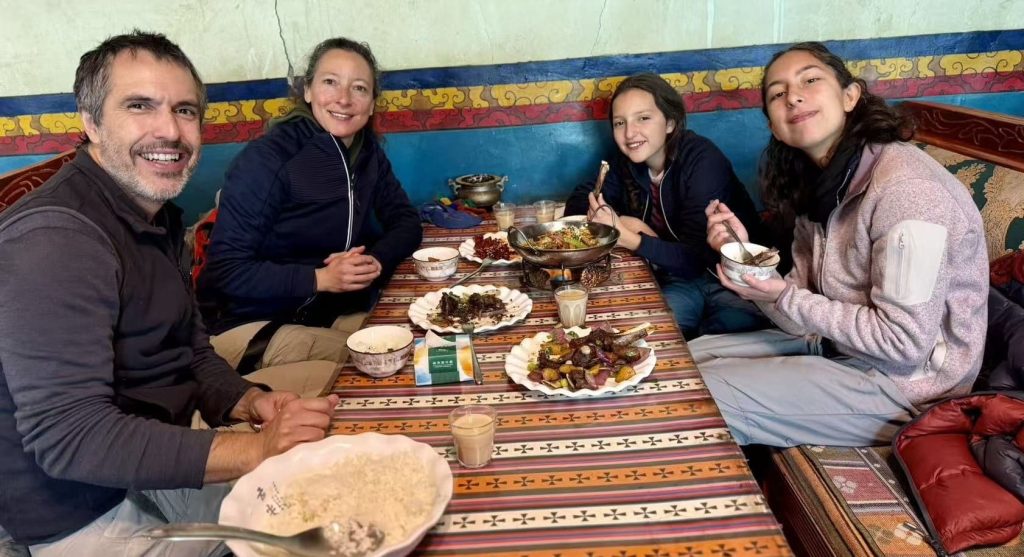
Master the Tibetan Meal: Go beyond tasting; learn about the food. In a Lhasa teahouse, spend an afternoon with locals sipping sweet milk tea. Try thukpa (noodle soup) in a modest eatery. Visit a market to see the staples: yak meat, barley, and bricks of tea. The Tibetan diet is a direct response to the climate and geography—food as a cultural story.
Take a Hands-On Workshop: Seek out small cooperatives or workshops. Learn the art of printing a prayer flag with wooden blocks, or try your hand at molding a simple butter sculpture. Under the guidance of a local artisan, even a failed attempt teaches you about patience, symbolism, and skill.
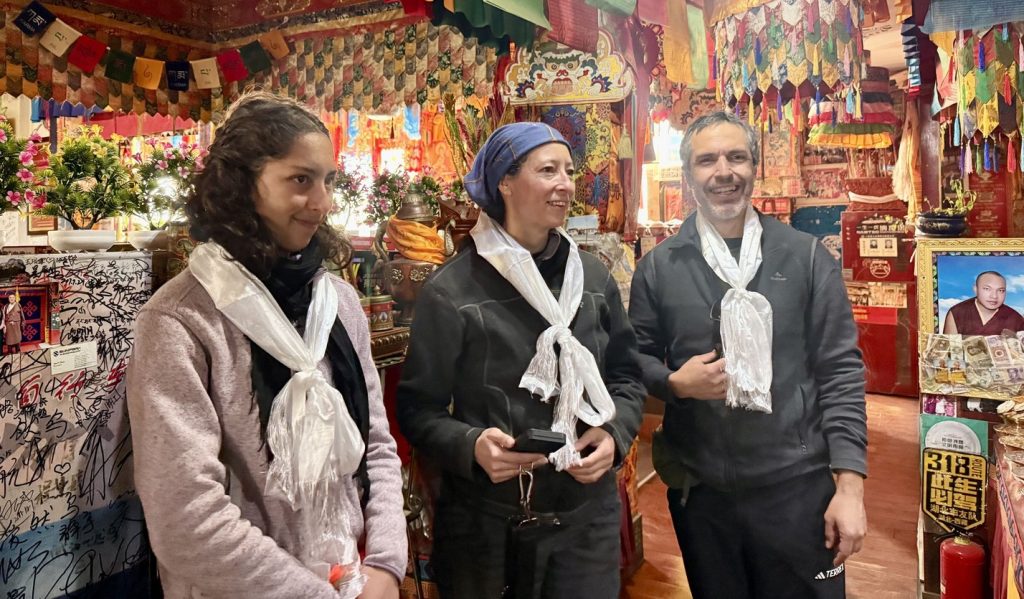
Listen to the Soundscape: The culture is in the sound. The low chant of monks in a temple hall, the clack of pilgrim prostration boards on the street, the humming of mantras, the rustic songs sung during work. Attend a traditional opera for a theatrical explosion of color and narrative.
4. Journey Through the Landscapes: The Culture of Place
Tibetan culture is inseparable from its environment. The mountains are not just scenery; they are deities. The lakes are sacred.
Travel the Old Roads: While the new train is an engineering marvel, consider parts of your journey by road. The friendship highway from Lhasa to Kathmandu or the route to Mount Kailash passes through villages where life unfolds at a timeless pace. Stop at unnamed stupas and accept the silent nod of a shepherd.
Practice Responsible Pilgrimage: For many, a Tibet trip is a spiritual pilgrimage to Mount Kailash. If you undertake this, do so with reverence. Walk the 52-km kora not as a trekker chasing time, but in the spirit of the pilgrims beside you, embracing the hardship as part of the purification.
Practical Tips for Culturally Conscious Travel
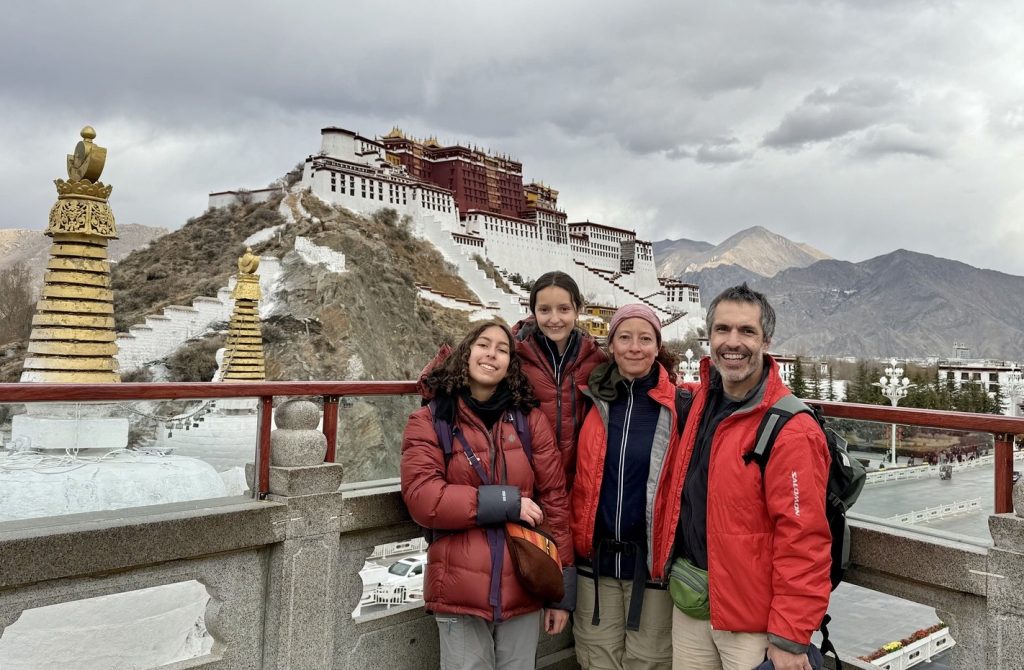
Timing is Everything: Spring (May-June) and early autumn (Sept-Oct) offer pleasant weather and vibrant festivals. Winter is harsh but offers unobstructed views and deep local immersion with fewer tourists.
Dress with Respect: When visiting monasteries, wear modest clothing that covers shoulders and knees. A hat and sunglasses are practical, but remove them inside sacred chapels.
Photography with Heart: Always, always ask permission before photographing people, especially monks and pilgrims. A smile and a gesture are universal. Some sacred spaces prohibit photography entirely—respect these rules without question.
Support Local: Buy handicrafts directly from artisans or from government-sanctioned cooperatives. Drink in local teahouses, eat in small family restaurants. Your spending should benefit the Tibetan community.
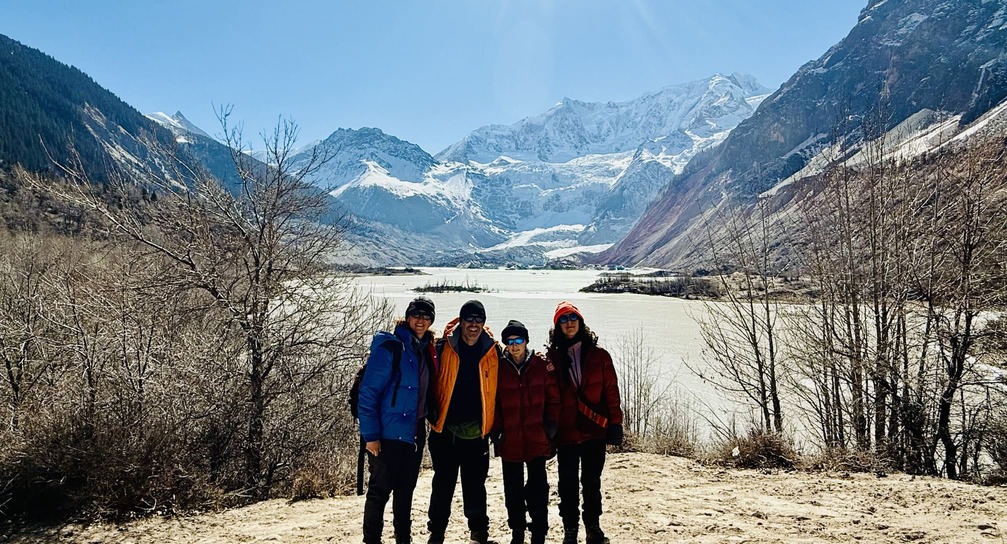
Travel with a Local Guide: A knowledgeable Tibetan guide is invaluable. They can translate, explain subtle nuances, facilitate homestays, and help you navigate cultural sensitivities you might not anticipate.
The Heart of the Matter
Experiencing local culture in Tibet is not about ticking off a list of experiences. It is about a shift in perspective. It’s finding that the most memorable moment might not be the panoramic view from Everest Base Camp, but the shared laughter with a family over a misshapen momo you helped fold. It’s the humbling feeling of walking a kora surrounded by the faithful, or the profound silence of a sunlit courtyard in a nunnery.
Your Tibet travel adventure will show you breathtaking altitudes, but the true ascent is one of understanding. It requires leaving some of your own world behind to make space for another. When you approach Tibet with patience, respect, and an open heart, you do more than witness a culture—you allow it to touch you, change you, and leave an imprint that lasts long after the altitude has faded. That is the ultimate journey. Tashi Delek!