
Tibet is one of the most sought-after travel destinations for adventurers, spiritual seekers, and nature lovers alike. The Tibetan Plateau, with its high-altitude landscapes, ancient monasteries, and unique culture, offers an experience unlike anywhere else on Earth. Whether you’re planning a spiritual journey to Lhasa, an adventurous trek to Mount Everest Base Camp, or a cultural exploration through remote Tibetan villages, it’s essential to plan your accommodations and travel routes carefully. Due to the region’s remote location, political sensitivity, and high altitude, the logistics of traveling in Tibet can be a bit challenging, but with the right knowledge, you can have an unforgettable journey.

In this comprehensive guide, we’ll cover where to stay in Tibet and how to travel to Tibet, from obtaining permits to choosing the best routes and accommodations. We’ll also offer useful tips to ensure a smooth, safe, and enjoyable experience in the Tibetan Autonomous Region (TAR).
Where to Stay in Tibet
Finding the right accommodation is crucial when traveling to Tibet. Whether you’re visiting the bustling capital, Lhasa, or venturing into the remote areas around Mount Everest or Mount Kailash, your options for staying will vary in terms of comfort, cost, and authenticity.
1. Lhasa: The Heart of Tibet
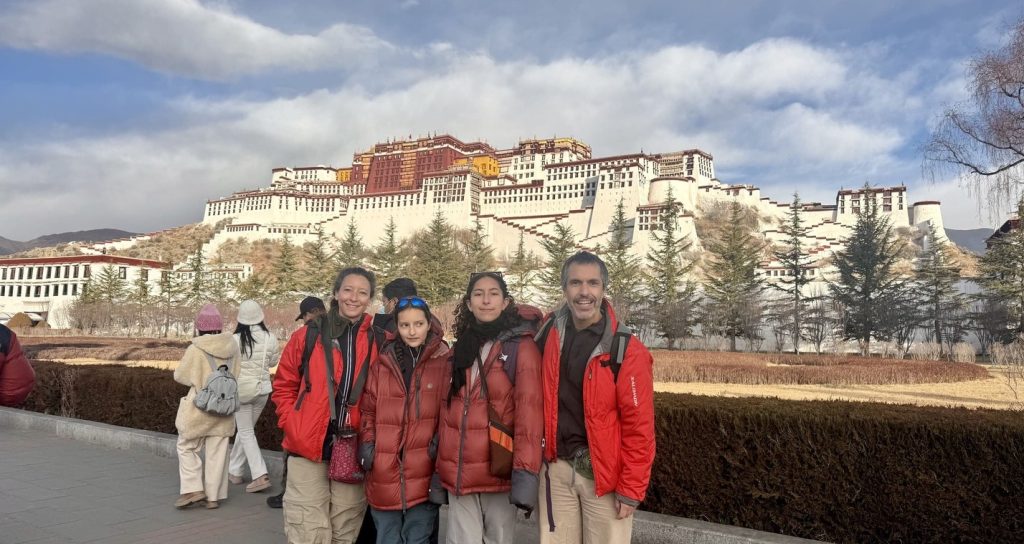
Lhasa, the capital of Tibet, is the main entry point for most travelers and the center of Tibetan culture and spirituality. This city is home to the famous Potala Palace, Jokhang Temple, and many other sacred and historical landmarks. The accommodations in Lhasa are diverse, ranging from luxury hotels to budget guesthouses.
Luxury Hotels in Lhasa:
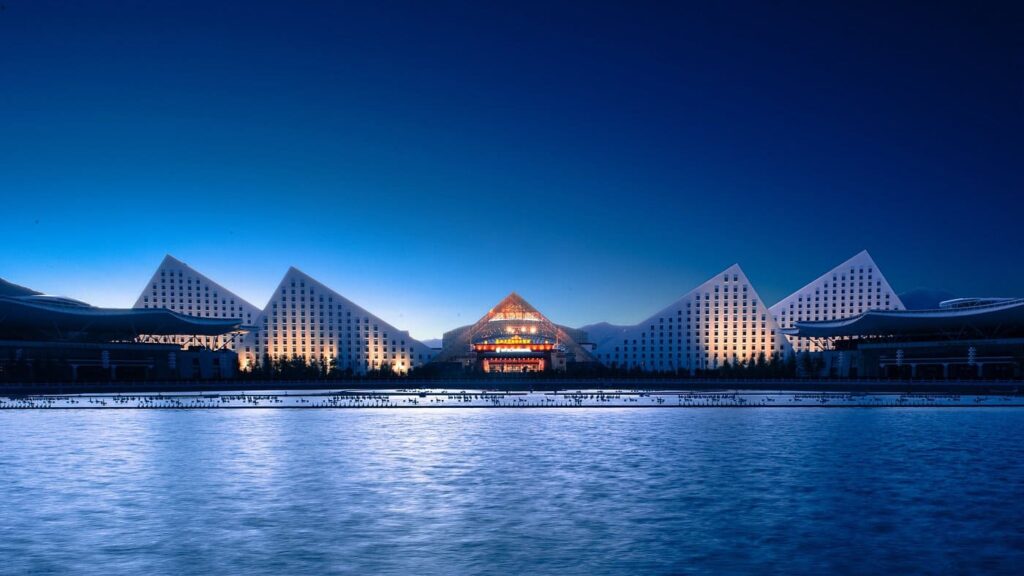
• Shambhala Palace Hotel: This 5-star hotel combines Tibetan design with modern luxury. With stunning views of Lhasa and the Potala Palace, the hotel offers spacious rooms, fine dining, and excellent service. It’s an ideal place for those looking for a touch of luxury after a long journey.
• Intercontinental Lhasa Paradise: Located just outside the city center, this luxury hotel offers modern amenities in a tranquil setting. The rooms are spacious, and the hotel features a spa, a fitness center, and several restaurants.
• Tibet Hotel Lhasa: One of the largest luxury hotels in Lhasa, Tibet Hotel is located near the Norbulingka Palace and offers great views of the mountains. It offers five-star service with Tibetan-inspired décor.
Mid-Range Hotels:
• Yak Hotel: A popular choice among international tourists, the Yak Hotel is known for its good value, comfortable rooms, and central location. The hotel is just a short walk from Jokhang Temple, making it an ideal base for exploring the city.
• Lhasa Hotel: A 3-star hotel that offers clean, comfortable rooms at reasonable rates. Located close to the Barkhor Street and Jokhang Temple, it is a convenient option for travelers who want to be close to Lhasa’s major attractions.
Budget Accommodations:
• Tibet Guesthouse: One of the most popular budget options in Lhasa, Tibet Guesthouse offers dormitory beds and simple rooms. Located near the Barkhor, it’s a good choice for backpackers and budget travelers looking for an authentic Tibetan experience.
• Ganden Hotel: Located near Lhasa’s bustling Barkhor Square, Ganden Hotel offers inexpensive, no-frills accommodation with basic amenities. The hotel is simple but comfortable, making it a solid choice for those on a tight budget.
2. Shigatse: The Gateway to Mount Everest
Shigatse, Tibet’s second-largest city, is an important historical and cultural center. It serves as the gateway to Mount Everest Base Camp and is home to the Tashilhunpo Monastery, one of Tibet’s most important religious sites.
Luxury Options:
• Tashilhunpo Monastery Hotel: Located near the Tashilhunpo Monastery, this hotel is a great choice for travelers who want to combine luxury with a spiritual experience. Rooms are spacious and offer scenic views of the surrounding mountains.
Mid-Range Options:
• Shigatse Hotel: This mid-range hotel offers comfortable, clean rooms and good service. It’s one of the best hotels in the area and is conveniently located near Shigatse’s main attractions.
Budget Options:
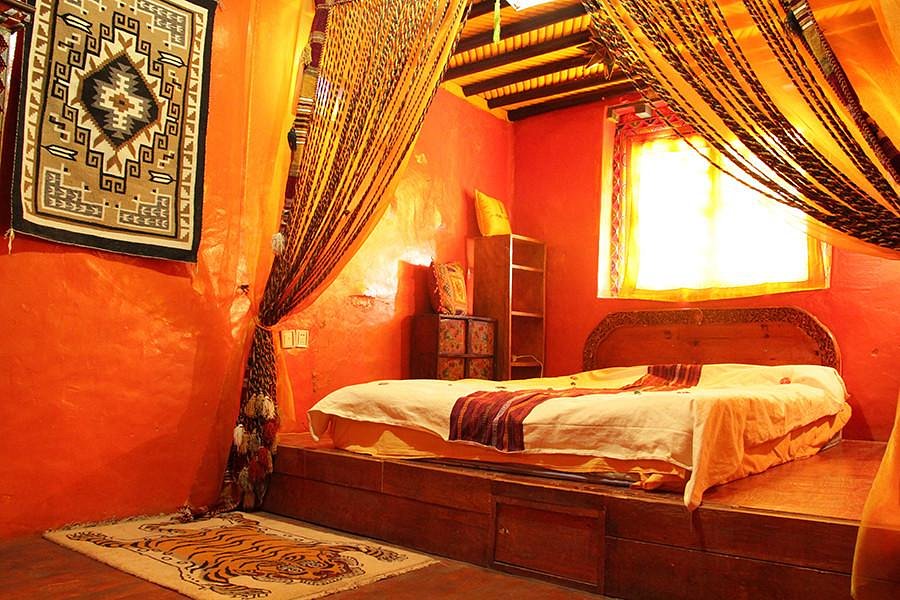
• Shigatse Backpackers’ Hostel: Ideal for backpackers and budget-conscious travelers, this hostel offers dormitory beds and affordable private rooms. It’s a great base for those looking to explore the area around Shigatse and venture further towards Mount Everest.
3. Mount Everest Base Camp
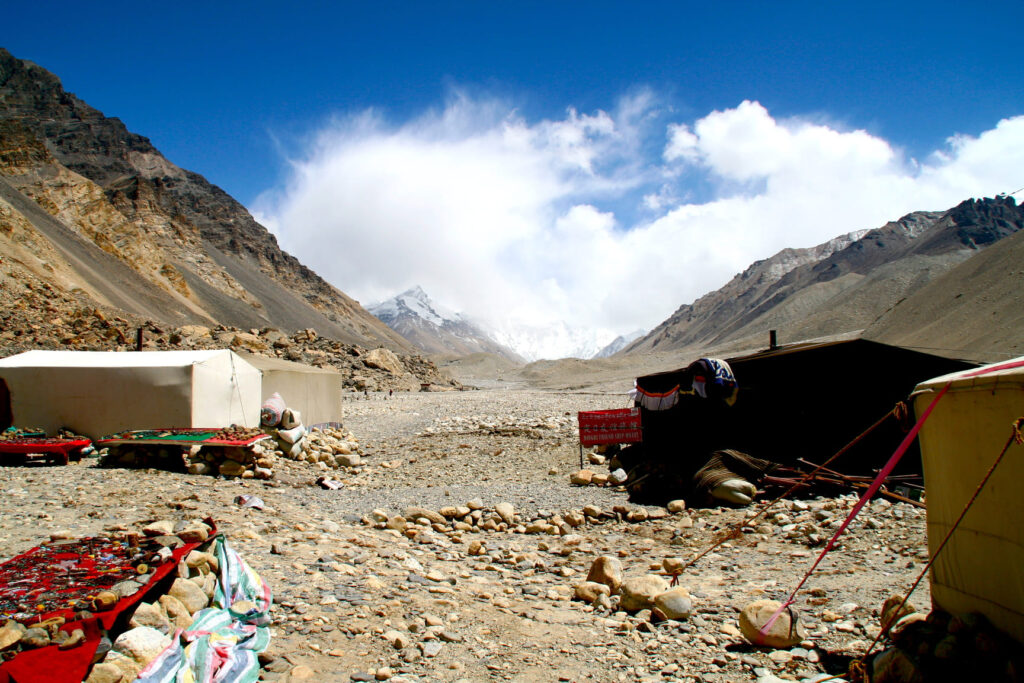
For those seeking adventure, Mount Everest Base Camp (EBC) is one of the highlights of any trip to Tibet. While there are no luxurious hotels at the base camp, you can stay in basic guesthouses and Tibetan-style tents.
Basic Guesthouses and Camping:
• Everest Base Camp Tibetan Guesthouse: Located near the base camp, this guesthouse offers basic but comfortable accommodations with local Tibetan meals. It’s a great place to rest after the long journey to Everest, with stunning views of the world’s highest mountain.
• Tents and Nomadic Stays: For a more authentic experience, you can camp at EBC with the option to stay in traditional nomadic-style tents. These provide a unique chance to experience Tibetan culture firsthand, though it’s important to be prepared for cold temperatures and limited amenities.
4. Mount Kailash and Remote Areas of Tibet
Mount Kailash, one of the holiest mountains in Tibet, attracts pilgrims from around the world. Accommodation in this remote region can be basic, ranging from guesthouses to simple lodges.
Basic Lodging Options:
• Darchen: The town closest to Mount Kailash, Darchen offers basic accommodations such as guesthouses and lodges. These simple, no-frills establishments cater to trekkers and pilgrims, offering a comfortable place to rest before embarking on the Mount Kailash Kora (circumambulation).
• Camping: In the more remote regions, camping is often the best option. You can hire local guides and porters who will set up camps along the trekking routes to Mount Kailash and other remote areas.
How to Travel to Tibet
Traveling to Tibet requires a bit more preparation than other destinations due to the region’s unique political, geographical, and cultural situation. Let’s break down the essential steps and options for traveling to Tibet, from obtaining permits to choosing the best routes.
1. Getting a Chinese Visa
Before traveling to Tibet, you’ll need to obtain a Chinese visa. This visa is a prerequisite for all foreign travelers visiting China, and Tibet is no exception. You can apply for a tourist visa (L visa) at any Chinese embassy or consulate in your home country. Keep in mind that a standard Chinese visa does not permit you to enter Tibet; you’ll need the Tibet Travel Permit for that.
Important Notes:
• Tibet Travel Permit: Once you’ve obtained your Chinese visa, you’ll need to apply for a Tibet Travel Permit. This permit can only be obtained through a registered Tibetan travel agency, which is the only authorized entity to apply for it on your behalf.
• Application Process: The travel agency will submit your application to the Tibet Tourism Bureau (TTB) and handle the permit process. This typically takes 10-20 days, so be sure to plan.
2. Flights to Tibet
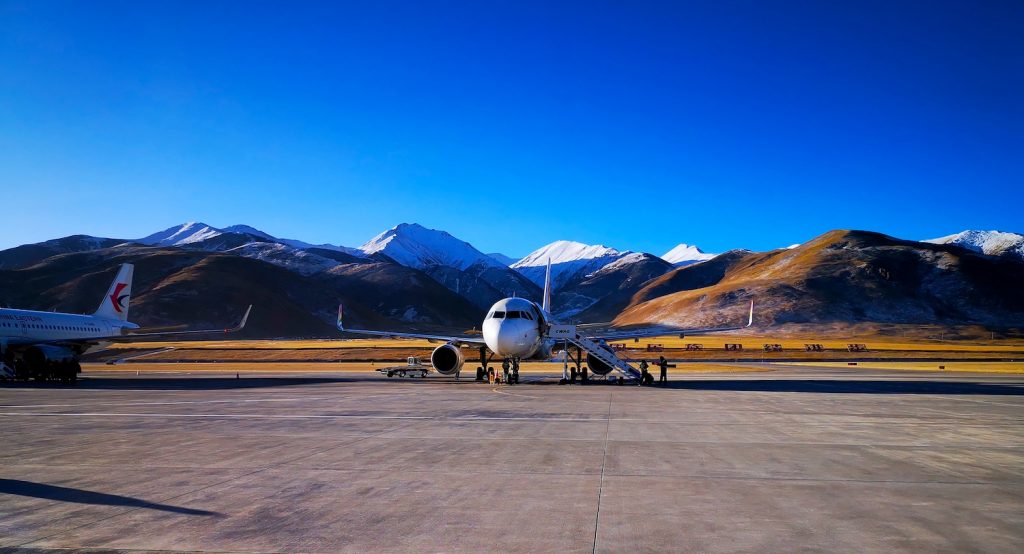
Most travelers reach Tibet by air, with Lhasa Gonggar Airport being the primary gateway to Tibet. Flights to Lhasa are available from major cities in China, such as Beijing, Chengdu, Xi’an, and Kathmandu (Nepal).
• From Mainland China: The most common routes to Lhasa are from Chengdu, Xian, and Beijing, with frequent flights available. Flights from Chengdu are particularly popular, as it’s considered the easiest and most convenient city for reaching Tibet. The flight from Chengdu to Lhasa takes about 2 hours.
• From Nepal: There are also flights from Kathmandu to Lhasa, which is a popular entry point for international travelers. The Kathmandu-Lhasa flight is a scenic route that takes about 1.5 hours, and it is one of the few international air routes into Tibet.
Important Considerations:
• Altitude: Lhasa is located at an altitude of around 3,650 meters (12,000 feet), so be prepared for the effects of altitude sickness. It’s recommended to spend a couple of days in lower-altitude cities like Chengdu before flying to Lhasa to acclimatize.
• Flight Restrictions: International travelers are often subject to flight restrictions and may not be allowed to fly directly to Tibet without the proper permits. Make sure all your permits are in order before purchasing your ticket.
3. Traveling by Train
If you prefer a more scenic journey, traveling to Tibet by train is a popular option. The Qinghai-Tibet Railway is the highest railway line in the world and offers a unique experience for travelers. The train ride from Xining (in Qinghai Province) to Lhasa takes about 24-48 hours, depending on the starting city.
• Train Routes: The most popular train routes to Tibet are from Beijing, Chengdu, and Xian. The train journey offers breathtaking views of the Tibetan Plateau, though it can be a bit long and tiring.
• Altitude and Acclimatization: The train ride takes you through high-altitude regions, so it’s essential to be prepared for altitude sickness. The trains are equipped with oxygen supply systems to help passengers adjust to the thin air.

4. Overland Travel from Nepal
For those seeking a Tibet adventurous overland journey, traveling to Tibet from Nepal is another popular route. You can take a bus from Kathmandu to the Tibet border at Zhangmu (or the Kodari border). After crossing the border, you’ll travel through Tibet to reach Lhasa.
• Overland Permits: For overland travel from Nepal, you’ll need to arrange special permits through a travel agency. This includes a Chinese Group Visa for entry into Tibet, as individual travelers are not allowed to cross the border by themselves.
• Travel Time: The journey from Kathmandu to Lhasa takes about 4-5 days by bus, depending on road conditions and stops along the way.
5. Guided Tours in Tibet
Foreigners are required to travel with an organized tour in Tibet, as independent travel is not allowed. Most travel agencies offer guided tours that include permits, transportation, and a local guide to help you navigate the region.
• Group Tours vs. Private Tours: You can choose between joining a group tour or opting for a private tour, depending on your preferences and budget. Group tours are more affordable, but private tours offer a more personalized experience.
Conclusion
Traveling to Tibet is an extraordinary experience, but it requires some preparation, particularly in terms of obtaining permits and selecting the right accommodation. By booking your trip through a reputable travel agency, securing the necessary permits, and choosing the right type of accommodation for your budget and preferences, you can make the most of your journey to this remote and beautiful part of the world. From the spiritual heart of Lhasa to the high-altitude trek to Mount Everest, Tibet offers unparalleled experiences that will stay with you long after your trip ends. Safe travels!